 Finding the right soccer cleats when you want to give your speed a boost can make a real difference on the field. Whether you play as a winger sprinting up the line, a forward chasing through balls, or just want that extra burst past defenders, picking cleats built for speed is a pretty smart move.
The right pair can help you accelerate quickly, feel light on your feet, and maintain grip even at full speed. Not all cleats are made for the same playing styles though, so knowing what to look for when speed is your main goal saves a lot of trial and error.
I’ll walk you through all the key factors—from materials to fit, soleplate design, and brand options—so you can figure out which soccer cleats are best for speed and why certain pairs line up well with a fast, attack-minded approach to soccer.
Affiliate Disclosure: This article contains affiliate links. As an Amazon Associate, I may earn from qualifying purchases at no extra cost to you. I only recommend soccer gear that can genuinely help improve speed, comfort, and performance on the field.
Understanding What Makes a Speed-Focused Soccer Cleat
Soccer cleats designed for speed focus on being lightweight, offering a snug fit, and providing impressive grip for quick acceleration. They’re created with materials and construction techniques that keep the shoe light but still supportive so you can move fast without feeling unsteady. In today’s soccer world, top brands keep cooking up lighter, more streamlined options constantly.
Key Features that Influence Speed
- Lightweight Materials: The lighter the cleat, the easier it is to accelerate. Synthetic uppers and modern knit materials are super popular here.
- Streamlined Fit: A tight, socklike fit cuts down on drag and creates a more responsive feel for fast sprints.
- Soleplate/Stud Pattern: Studs that are shaped and placed for traction help you push off quickly in every direction and avoid slipping.
- Low Profile: Speed cleats often sit closer to the ground, giving better control and a quicker step.
Recently, new tech like advanced foams, mesh, and unique plate layouts continue to improve performance and provide choices for speed lovers of any position. CHECK MORE: Best Overall Soccer Cleats For Beginners
Choosing the Right Fit for Explosive Acceleration
The way your cleats fit is super important if you care about speed. Too loose? You’ll slip inside your shoes and lose power. Too tight? You’ll be uncomfortable and probably end up with blisters.
How to Find Your Best Fit
- Try cleats on with the type of socks you’ll actually wear during games.
- Your toes should be close to the front, but you don’t want them jammed up.
- A snug fit (especially in the forefoot and midfoot) locks your foot down and improves quick movements.
- If possible, try jogging, turning, and a short sprint in the cleats to get a real feel.
Remember, some cleats—even the fastest ones—work better for narrow or regularwidth feet. If you have wide feet, look for brands that offer wider versions, or go up half a size. A proper fit is really important when picking cleats for speed, not just for performance but for comfort too.
The Lightest Materials: Why They Matter
Materials play a big part in the overall weight of your cleat. While leather was once the goto for soccer boots, most modern speed-focused models use synthetic microfibers, mesh, or knit materials that are much lighter.
Common Materials for Speed Cleats
- Knit Uppers: These create a flexible, socklike feel with almost zero break-in time. They’re light and comfortable, but also durable.
- Synthetic Uppers: Very thin and super light, synthetic uppers give you that barefoot sensation and help reduce every bit of extra weight. These materials also dry fast if you get caught in rain or wet grass, so you won’t carry unwanted moisture during a match.
- Carbon Fiber Plates: Durable and featherweight, these rigid soleplates snap back fast with each step, helping players accelerate.
If you want maximum speed, look for cleats in the 5–7 oz range (140–200 grams). Heavier cleats might be more protective but can slow you down just enough to notice over a long game. Selecting eye-catching new colors or graphics won’t actually make you faster, but finding a look you love is a fun bonus.
Stud Shapes and Soleplates: Getting a Grip for Sprinting
The way the studs and soleplate are designed matters a lot for speed. You want traction you can trust for hard pushes off the turf, without getting your cleats stuck midway through play.
What to Look for in a Speedy Soleplate
- Chevron or Bladed Studs: These make cutting, stopping, and pushing off super easy, giving great grip in all directions.
- FG (Firm Ground) Plates: Most speed cleats are built for firm, natural grass surfaces, which is what FG means. These provide just the right amount of traction without adding bulk.
- Split Soleplates: Some speed models separate the forefoot and heel plates for extra flexibility and lighter weight.
Tip: Stud arrangement matters. Speed cleats often cluster the studs under the toe and forefoot for better acceleration since that’s where most powerful pushoffs happen. If you happen to play in different weather or field types, switching things up with the right soleplate can really help optimize your traction across various surfaces.
My Top Picks: Soccer Cleats That Help You Play Faster
Plenty of brands put out awesome cleats focused on speed, but a few models consistently stand out for players looking to maximize quickness. These are the ones worth checking out if your main goal is to get faster on the pitch.
Popular Choices for Speed
- adidas X Speedportal. This line is loved for being crazy lightweight with a tight fit and an aggressive soleplate designed for pure acceleration. 👉 Check adidas X Speedportal on Amazon
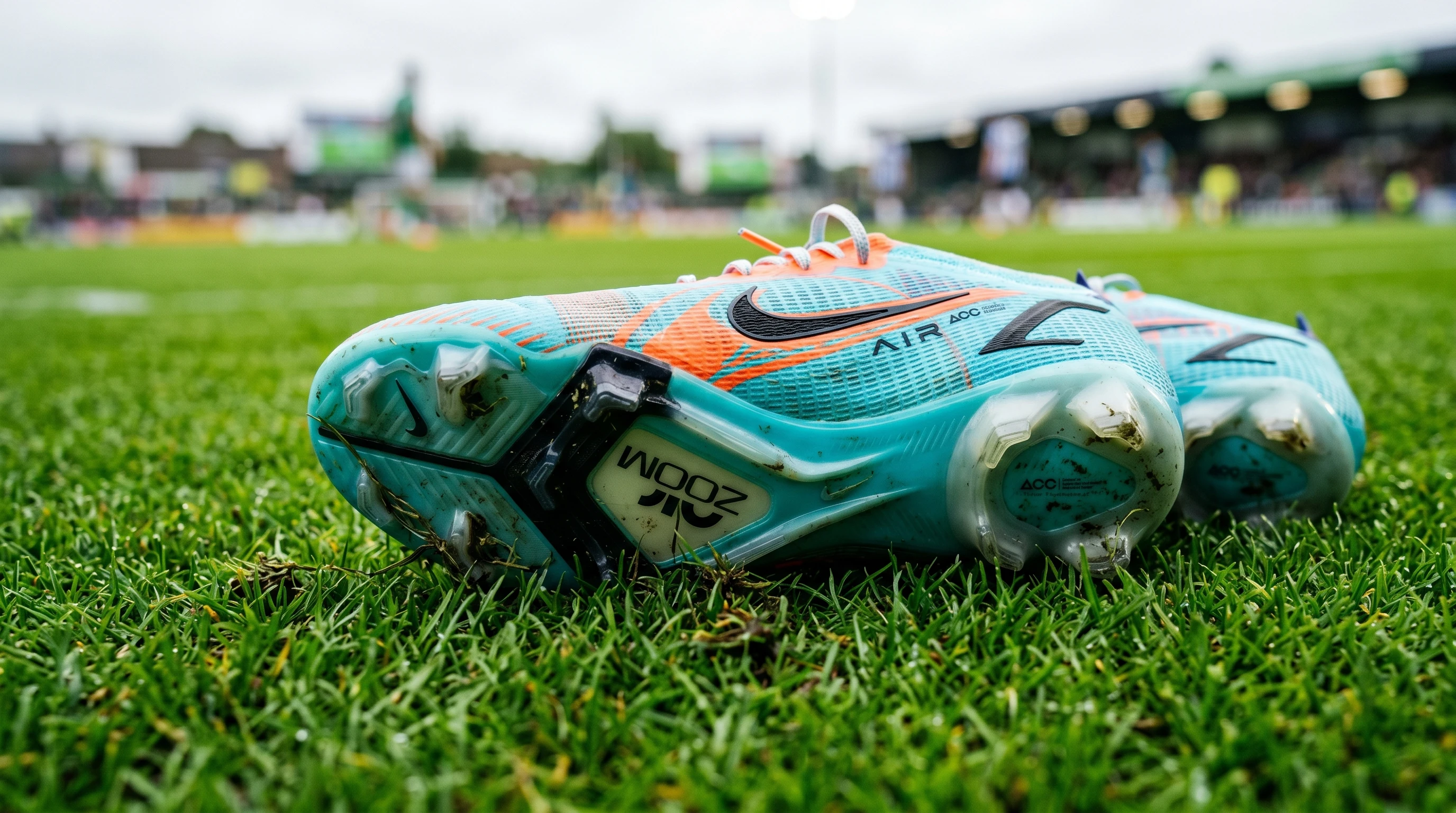
- Nike Mercurial Vapor & Superfly. Known for the iconic, superthin upper and snappy soleplate, Mercurials are a top choice for pro wingers and attackers. Even entry-level versions offer noticeable improvements in swiftness.👉 View Nike Mercurial on Amazon
- Puma Ultra. Built to be as light as possible, with a barefoot feel and a high-traction outsole for explosive sprints.👉 Shop Puma Ultra Cleats on Amazon
- New Balance Furon. Offers a snug, speedoriented fit with one of the lightest uppers around, plus a stiff, responsive soleplate.👉 See New Balance Furon on Amazon
I’ve run in all these brands over the years. For me, the Nike Mercurial Vapor felt like wearing socks (the good kind), with almost zero break-in, completely locked-in fit, and insane snap for every sprint. The adidas X speed cleats also deserve a mention if you like a really modern, streamlined feel. Both are great for players who value raw, top-end speed. If you want something a little more durable or slightly wider to fit your foot shape, the Puma and New Balance options are definitely worth a try.
Choosing Cleats for Your Position and Style of Play
Even among the speedy options, some suit certain positions better. Wingers and forwards usually want the lightest, most aggressive cleats. Midfielders who run a lot might prefer something with a bit more comfort or protection built in. Defenders can also wear speed cleats, but may need to consider durability and stability more.
Position-Based Suggestions
- Wingers/Forwards: Go as light as possible with a snug upper and aggressive traction. You want to dash past opponents and finish strong.
- Central Midfielders: Consider a balance between weight and some comfort or cushioning for constant running. Sometimes a little extra padding or support around the heel can keep you feeling fresher over an entire match.
- Defenders: If you want speed but also need stability, look for speed cleats with a reinforced heel or stiffer plate. This helps guard against tough tackles and random slips, keeping you composed and agile.
Your personal preference plays a huge role here. Comfort and confidence make a bigger difference than just picking the flashiest model. Testing several types and listening to feedback from teammates or coaches is a savvy way to land a pair that fits both your feet and your playing style.
Common Questions & Troubleshooting
How do I break in speed cleats faster?
Most synthetic and knit cleats are nearly gameready out of the box, but wearing them around the house with your soccer socks for a few hours helps them mold to your feet. Avoid soaking them in water, but some light jogging can soften them up pretty quickly. If possible, wear them in warmups before your first real game for a perfect fit.
Are lighter cleats less durable?
Lighter cleats use thinner materials, so they may not last quite as long as classic leather boots, especially in really rough or muddy conditions. Rotating your cleats and only wearing your speed pair for games helps them last longer. Keeping them clean and dry between matches helps stretch their lifespan, too.
Can I use speed cleats on artificial turf?
Some are fine on newer, longerturf fields, but most FG (Firm Ground) speed cleats are made for natural grass. If you mainly play on turf, look for models with AG (Artificial Ground) or TF (Turf) labels for better performance and durability. Using the right soleplate type for your home field really makes a difference in safety and comfort.
What if my feet hurt in speed cleats?
If you find that even after breaking in your cleats your feet still ache, it could be down to an improper fit or lack of arch support. Consider cushioned insoles designed for soccer or, if blisters persist, specialized socks to battle hot spots and friction.
Next Steps for Picking the Best Soccer Cleats for Speed
If racing past defenders is your thing, focus on lightweight synthetic or knit cleats with aggressive stud patterns and a fit that hugs your feet comfortably. Whenever possible, try on a few different brands to see which style feels quickest and most secure for your shape of foot and type of play.
⚽ Ready to Improve Your Speed on the Field?
The right soccer cleats can make a huge difference in acceleration, comfort, and confidence during matches and training.
👉 View the Best Speed Soccer Cleats on Amazon
- Figure out your top priorities—lightweight feel, grip, and snug fit. Check how each pair feels while jogging or making sharp changes in direction in the store.
- Try on at least two or three speed focused models before buying. Don’t forget to move around and mimic real-play movements.
- Test your acceleration and turning in the store if they let you, or bring them to a practice session for a test run before the first game. Getting a true feel beats any online review or spec sheet.
Sneaker tech is always changing, so if you haven’t shopped for cleats in a couple years, a new pair could be the exact upgrade your game needs for a speed advantage. Got a favorite pair or want some help making a choice? Drop your questions or experiences below! Give those new cleats a shot and see how your pace jumps to the next level.