
Developing game intelligence in soccer is about much more than just running quicker or kicking harder. True soccer intelligence means making smarter choices on the field: knowing the best time to pass, when you should dribble, how to anticipate what your opponent will do next, and how to find open space before a defender does. After years of coaching and playing soccer, I’ve seen firsthand how the right drills can seriously boost a player’s soccer IQ. In this article, I’ll break down practical drills and offer my own tips so you can get real results on the pitch.
Affiliate Disclosure: This article contains affiliate links. As an Amazon Associate, I may earn from qualifying purchases at no extra cost to you. I only recommend soccer gear that can genuinely help improve speed, comfort, and performance on the field.
Why Game Intelligence is Important in Soccer
The top soccer players are those who think the fastest when the pressure rises. You’ll notice midfielders who anticipate the play one step ahead or defenders who manage to stop attacks before they ramp up. What sets these players apart isn’t just being fit or physically strong; it’s having sharp game intelligence.
This thinking is backed by plenty of research. The International Journal of Sports Science & Coaching found that athletes with strong tactical awareness and anticipation skills consistently make more powerful, effective plays. The best part? These qualities aren’t just natural gifts—they can be built up with focused training and drills that work both body and mind.
Soccer IQ is about more than just experience gained in games. Individual coaching, specific drills, and helpful feedback all play a part in giving players the boost they need. Make time for drills that challenge the mind as much as the feet, and you’ll start noticing clear improvements, especially in young athletes and anyone looking to take their skills up a notch.
Soccer Drills That Improve Game Intelligence
Over the years, I’ve used many drills that help players get much better at reading the game. Some zero in on awareness and vision, while others build decision-making and quick reactions. Here are some of my tried-and-true favorites for raising soccer IQ:
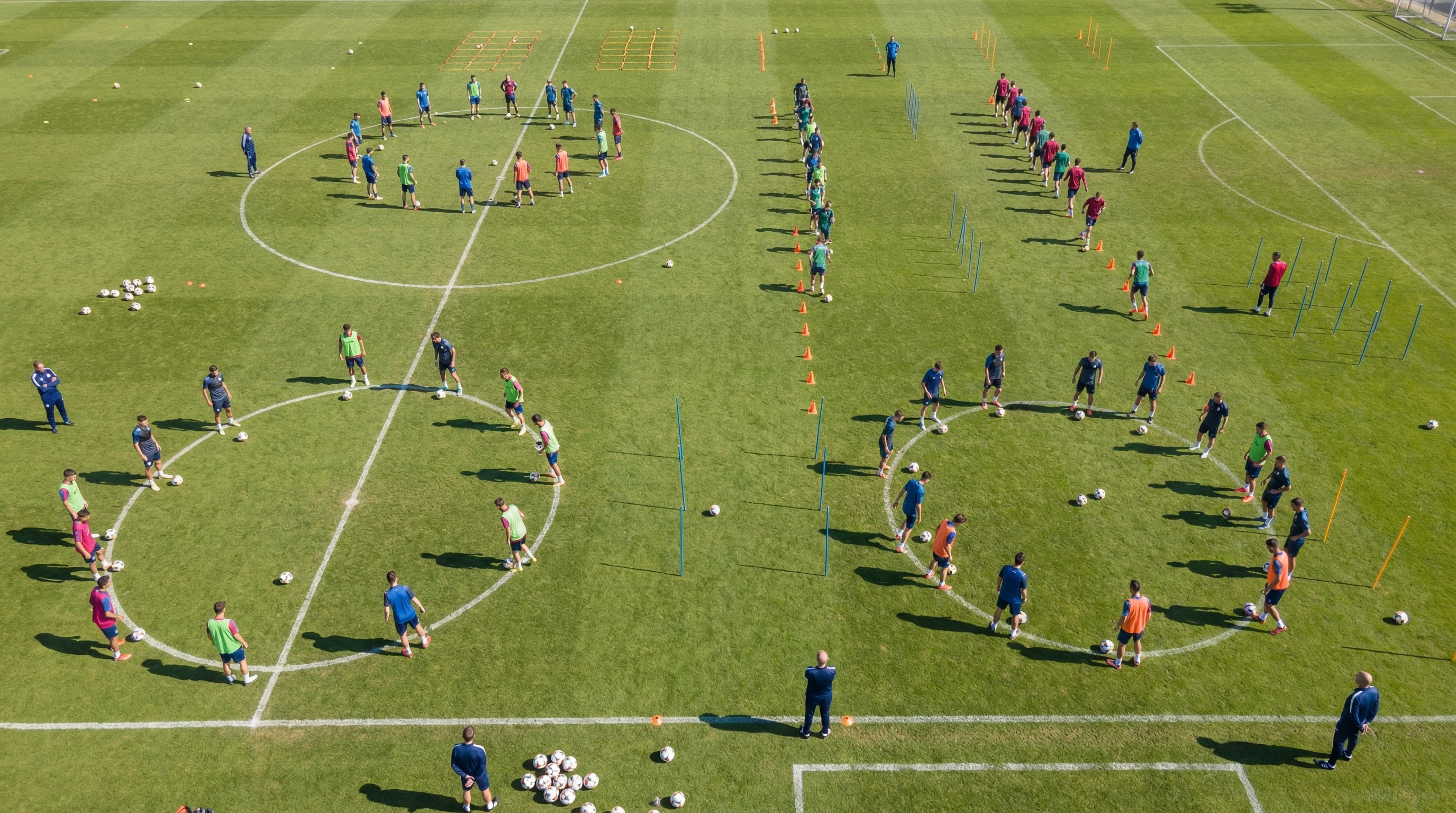
- Rondo (Keep-Away) Variations: This old-school drill isn’t just about physical passing; it’s spacing, predicting what defenders will do next, and off-ball movement. Players form a circle and pass while a set of defenders tries to intercept the ball. You can rotate defenders or tweak the rules: play one-touch passes or call out a teammate’s name right before passing to ramp up the challenge.
- Numbers Up/Down Drills: Setting up small games like 5v3 helps players notice overloads and move fast to exploit them. Players figure out when to attack open spaces versus when to keep possession and wait for a better opportunity, sharpening both awareness and smart risk-taking.
- Four Corners Drill: Place cones or mini-goals in each corner of a grid. Teams must work to keep possession and switch play from one corner to another using as few passes as possible. This makes players look for open spaces and perfectly time their runs—crucial skills for fast, effective transitions in real games.
- Pattern Play With Defenders: Start with attackers running through a set sequence of passes and movement, then add defenders to up the intensity. Now players will have to solve problems when usual routes are blocked, teaching them how to adjust on the fly and think flexibly.
- “Scan and Turn” Awareness Drill: Set several balls about 20–25 yards from goal. When you whistle, a player receives a pass with their back towards the goal as a defender closes in. The receiver must quickly check over their shoulder and decide whether to turn, pass, or shield the ball. Developing this scanning habit really sharpens reactions under pressure.
Structuring Training for Smarter Play
It’s tempting to just throw in drills, but real progress shows up when you bring some structure to each session. Here’s how I suggest setting up your training if you want to build smarter players:
- Warm-Up: Start with a technical rondo or rapid-fire passing circuit that gets the mind working as much as the feet.
- Main Drills: Pick one or two of the IQ-building drills above. Use a quick pace, and switch up roles frequently, so everyone experiences playing offense and defense.
- Conditioned Scrimmage: End with a small-sided game, but add in special rules—maybe only allow two touches per player or reward creative plays like switching fields or sneaky runs. This lets players test new skills in a realistic but safe environment.
If you’re working with kids or newer players, take time to stop drills and explain why a certain decision worked or not. Clear explanations make lessons stick and get players to really understand the “why” behind their choices.
Challenges and Tips for Building Soccer IQ
Even with solid drills, progress can stall if players aren’t thinking about their tactics. Here are some hurdles I’ve seen and tips to get through them:
- Quiet Players: Communication is key. Players should talk about space, pressure, or even just encourage each other. Make it a rule to talk in every drill—have teammates call out “turn” or “hold” as play happens.
- Safe Play and Comfort Zones: Players who stick to only safe passes miss out on learning. Support experimentation during practice; mistakes are learning moments that matter more here than in a big match.
- Overthinking: Real games move fast, and hesitation can cost you. Simulate match speed in your drills by shrinking the play area or imposing time limits so players learn to trust their instincts.
Adapting Drills for Different Skill Levels
Beginners often need step-by-step guidance. I like to pause drills for brief coaching points or quick demos. Advanced groups can handle faster pace, working with extra defenders or smaller spaces to make decision-making demanding. Switching up opponents and settings guarantees ongoing growth for everyone on the roster.
Using Match Footage and Visualization
Watching short video segments from real matches is a game changer. I show players clips, hit pause to ask what might happen next, and highlight clever decisions. This builds a mental playbook that lets players spot patterns and act quickly during real games. A few minutes a week can make a real difference.
Visualization helps, too. Encourage players to spend a few minutes imagining themselves picking the smart pass or making the right run in different situations. This mental practice preps the brain for quick thinking on the pitch.
Game Intelligence in Action: Real-World Examples
Practice pays off. One of my youth players once focused mostly on chasing the ball, but after weeks of practicing the four corners drill, she started to find open spaces and began calling for strategic passes. She later told me this new mindset helped her score her first two goals in a single match.
Professional players like Kevin De Bruyne or Sergio Busquets have built their reputations on reading the field and acting at just the right moment. They’re constantly scanning, planning several moves ahead, and turning pressure into opportunity. The takeaway? These instincts are practiced as much as they are natural.
- Anticipation: World-class defenders cut out passes because they read the play early and act decisively.
- Spatial Awareness: Skillful midfielders turn away from danger or split defenders with slick movement, often creating goal-scoring chances by spotting runs a second before they develop.
- Switching Play: Top wingers notice when an attack stalls and rapidly shift the ball to stretch the defense, opening up more opportunities for teammates.
Recommended Soccer Training Equipment
⚽ Rebounder Nets – Improve first touch, scanning, passing accuracy, and quick decision-making.
Recommended Options:
- QuickPlay PRO Rebounder (Check Price on Amazon)
- SKLZ Quickster Soccer Trainer (Check Price on Amazon)
- PowerNet Soccer Rebound Net (Check Price on Amazon)
⚽ Training Cones & Markers – Perfect for rondos, four-corner drills, scanning exercises, and small-sided games.
Recommended Option:
⚽ Agility Ladders – Develop footwork, coordination, and reaction speed.
Recommended Option:
- GHB Agility Ladder Training Set (Check Price on Amazon)
⚽ Soccer Training Apps & Video Analysis
These tools can help you track progress, review performance, and better understand the decisions that separate good players from great ones.
Frequently Asked Questions
Question: How often should players work on game intelligence drills?
Answer: Try to schedule at least one session per week that’s devoted to awareness and decision-making, but weaving these ideas into every training session truly helps over time.
Question: Can you build soccer IQ if you start playing when you’re older?
Answer: Absolutely. Teens and adults who make time to practice thoughtfully and regularly break down top-level match videos can progress in their soccer IQ just like younger players.
Question: Are there digital tools that help with soccer IQ?
Answer: Yes. Tools like Hudl for in-depth video analysis or even YouTube to watch high-level matches can boost your understanding of smart choices. Some clubs use VR tools to put players into real-life scenarios, which helps them adjust to pressure and speed.
Final Thoughts: Key Takeaways for Smarter Soccer
Soccer IQ isn’t set in stone; any player can train their mind to see the game in smarter ways. Focused drills, analysis of real situations, and genuine curiosity on and off the pitch all add up. Make your practices engaging and purposeful, and you’ll soon notice teammates making bolder, sharper decisions every time they play.
Whether you’re just starting or have plenty of experience, working with intention and planning ahead matters. Try adding a couple of these drills to your next week’s routine, and see the difference at your next game. Smart play not only lifts your own abilities but also brings a fresh sense of fun to soccer each time you step onto the field.
Excellent article highlighting an often-overlooked aspect of soccer development. Many players focus heavily on physical skills, but game intelligence is what truly separates good players from great ones. I especially liked the emphasis on rondos, scanning, spatial awareness, and decision-making under pressure, as these skills translate directly into match situations. The section on using match footage and visualization is particularly valuable because it helps players develop tactical awareness away from the field as well. Your point about encouraging communication and allowing players to learn from mistakes is also important for long-term growth. Coaches, parents, and players can all benefit from these practical drills and training strategies. Thanks for sharing such a comprehensive guide that shows how soccer IQ can be developed through consistent practice, thoughtful coaching, and purposeful training sessions.
Thank so much Andre, really appreciate it.