
If you’ve played soccer for any length of time, you know that soggy fields bring their own set of challenges. The wrong pair of cleats leaves you slipping, sliding, and wondering if you’ll ever stay upright for a full match. Picking the right soccer cleats designed for wet conditions isn’t just handy—it’s a game-changer. Over the years, I’ve played through everything from muddy backyards to downpour-soaked tournaments, so I’ve seen first-hand how much your choice of footwear can make or break your game.
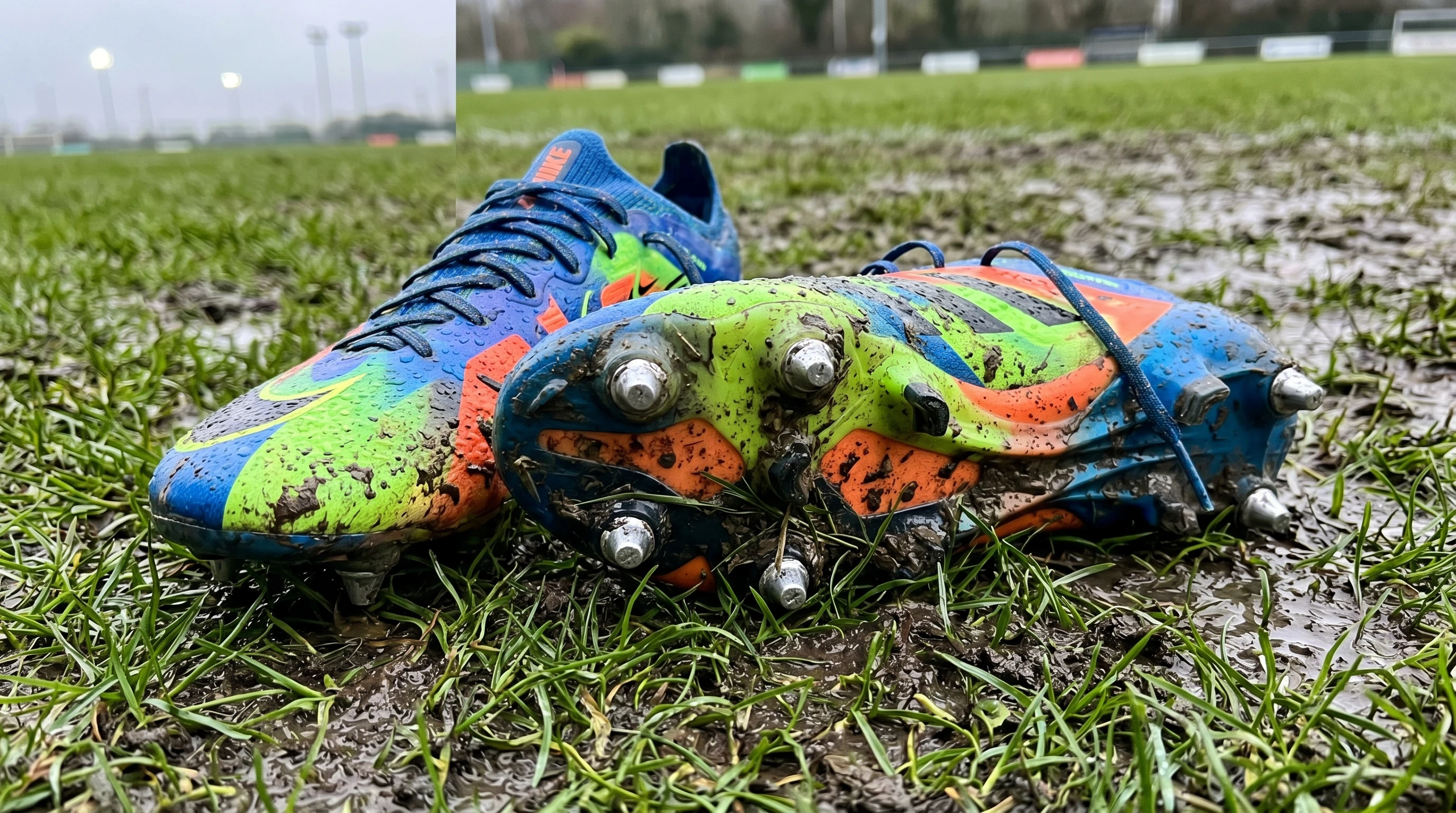
Why The Right Soccer Cleats Matter on Wet Fields
Wet fields can turn even basic ball handling into a slip-and-slide adventure. Unlike on dry turf, your feet have less grip and ball control suffers. Ordinary cleats sometimes just don’t cut it. Trust me, I’ve had the muddy socks to prove it. You want shoes that dig in and help you cut, stop, and accelerate without losing your footing.
Cleat design has come a long way, with brands focusing on performance materials and stud patterns to handle all kinds of tough field conditions. Surveys of both amateur and pro athletes show a clear preference for more aggressive, well-placed studs when facing wet grass or mud. It’s not just marketing hype; modern cleats really do make a noticeable difference.
Wearing cleats built for sloppy conditions means you’ll spend less time on the ground, more time controlling the ball, and you’ll probably avoid injuries, too. It’s a super important choice for anyone who hates missing goals just because their shoes didn’t match the weather.
Affiliate Disclosure: This article contains affiliate links. As an Amazon Associate, I may earn from qualifying purchases at no extra cost to you. I only recommend soccer gear that can genuinely help improve speed, comfort, and performance on the field.
Key Features to Look For in Soccer Cleats for Wet Fields
The best wet field cleats usually share a handful of design features. Here are a few I always look for before splurging on a new pair:
- Longer Studs: These dig deeper into muddy grass, giving better traction when things get slick.
- Wide, Spaced-Out Studs: Mud doesn’t pack in between these so easily, which keeps you from losing grip as the match goes on.
- Durable, Water Resistant Uppers: Synthetic leather or treated materials help keep your feet dry and prevent the shoe from soaking up water and getting heavy.
- Firm Ground (FG) or Soft Ground (SG) Plate: Look for FG cleats for damp but playable fields, and SG options—often with metal studs—for truly muddy conditions.
- Good Fit with Support: Lockdown lacing and padding help your feet stay in place. This matters when you’re pivoting and planting hard.
Avoid wearing indoor or turf shoes outside if conditions are slick; they just don’t give the stability you need. FG and SG cleats each have their uses, and more brands are putting out hybrids that let you swap out studs, so it’s worth checking for that extra bit of versatility. If you pick a model that blends both stud types, you’ll be prepared for rapidly changing field conditions.
Tips for Playing Soccer in Wet Conditions
Even with great cleats, wet weather forces you to adjust some habits. I’ve learned a few tricks that really help when the field starts to look more like a puddle.
- Shorten Your Stride: Keeping steps short and knees high helps you react faster and recover your balance if you start to slip.
- Lower Your Center of Gravity: Extra bend in your knees lets you stay on your toes and react quicker to awkward bounces.
- Work the Sidelines: The middle of the field puddles up first; hugging the edges sometimes keeps you on firmer turf.
- Keep an Extra Towel or Cloth Handy: Quickly wiping off cleats during breaks can help clear out stuck mud.
- Practice Ball Control in the Wet: Schedule a few practice sessions on wet grass, if possible. It helps you get used to the unpredictable bounces and build your confidence for real matches.
Wet weather soccer isn’t always pretty, but it can be a lot of fun. Having the right gear and knowing how to move on a slick field gives you a solid advantage over players who haven’t prepared.
Top Soccer Cleats Worth Checking Out for Wet Fields
I’ve tried a bunch of different models over the years, but there are a few cleats that really stand out when fields turn muddy. Here’s a quick rundown of options that get the job done:
- Adidas X Speedportal : These classics have longer studs and a leather upper that holds up surprisingly well in soggy conditions. The fit molds to your foot with use, which is a nice bonus for comfort. 👉 Check adidas X Speedportal on Amazon
- Nike Premier II SG Pro: Built for proper soft ground play, you get detachable metal studs and a water resistant kangaroo leather. This pair gives great grip and feels sturdy even after a full match of stomping through the mud.👉 View Nike on Amazon
- PUMA King Top SG: Another classic, with a durable upper and a stud pattern that clears out mud a bit better than some older models. 👉 shop Puma Top SG on Amazon
- Mizuno Morelia Neo III Beta SG: Worth considering if you want super lightweight cleats that still grip well. The synthetic upper is easy to clean and sheds water fast.
Most of these options come in different versions, so check the label for “SG” (soft ground) if you’ll be on consistently muddy fields. If you mostly play on damp but not deeply muddy turf, look for “FG” (firm ground) versions of the same models, often with slightly shorter molded studs.
If you play in multiple positions or for both club and school teams, owning both a firmground and a softground pair can be a huge advantage. You won’t waste time swapping studs at the last minute.
Before You Buy: Practical Things to Think About
- Stud Regulation: Not all leagues or tournaments allow metal studs. If you play in organized competitions, double-check before bringing SG cleats out on the pitch.
- Break In Time: Leather cleats take a bit to loosen up but are really comfortable afterward. Synthetics feel ready right out of the box but can run narrow.
- Sizing Up for Comfort: Wet socks and cold weather make shoes feel tighter. Some players go up a half size to allow for extra socks or to counter swelling during long games.
- Price vs. Longevity: Expensive cleats sometimes break down just as fast as budget ones in muddy conditions. If you play on wet fields a lot, maybe don’t splurge unless you know they’ll hold up.
- Lacing System: Consider cleats with adjustable laces or an integrated tongue for more secure lockdown—this extra fit can help keep your foot from sliding inside the shoe when it’s wet.
Stud Type Comparison
Knowing the difference between stud types helps you match your cleats to the surface. I’ve listed the basics here so you can sort out which is which:
- Firm Ground (FG): Best for natural grass when the field is just wet, not fully muddy. Molded studs here are longer than on turf shoes and set wider for better grip.
- Soft Ground (SG): Built for super soft, muddy ground. Usually features screw-in metal studs that dig in deep and give you a solid hold in slushy patches.
- Hybrid Plates: These combine fixed plastic studs with removable metal ones. Ideal for unpredictable conditions or players who face different field types week to week, giving you flexibility without having to own multiple pairs.
If you’re unsure which to get, look for hybrid models. You’ll be able to tweak your setup game-by-game, which is a huge help as weather changes fast in many places.
Simple Maintenance Tips: Keep Your Cleats Lasting Longer
I always recommend a basic cleaning routine after playing on a wet pitch. This keeps shoes from breaking down as fast and helps avoid funky odors.
- Knock off big clumps of mud before heading inside. A stick or old toothbrush works fine for the job.
- Remove insoles and laces so they dry separately; it makes a surprising difference in odor control.
- Dry your cleats slowly, away from direct heat, to prevent cracking or warping.
- Stuff them with newspaper or absorbent towels to suck up moisture quicker.
- A quick spray with a mild disinfectant stops bacteria growth and smells on super soggy days.
- Check for loose or worn studs often and replace them if necessary. Slippery fields are no place for gear that might fall apart midgame.
Skipping this basic care, especially after muddy matches, tends to shorten cleat life and makes the next game less comfortable.
FAQs: Soccer Cleats and Wet Field Performance
Question: Can I use my regular firmground cleats in the rain?
Answer: Firmground cleats handle light rain and damp turf. If fields are actually muddy and soft, they sometimes don’t give enough grip; softground cleats are better in those cases.
Question: Are metal studs allowed everywhere?
Answer: Some youth leagues or artificial turf facilities don’t allow metal studs for safety reasons. It’s smart to double-check league rules and play only with approved footwear.
Question: My cleats keep getting caked in mud; what can I do?
Answer: Look for pairs with widely spaced studs, which shed mud better. Carry a small brush or wear removable overshoes until you get to the field to keep them clean at kickoff.
Question: Is leather or synthetic better for wet fields?
Answer: Both work, but synthetics dry out faster and can feel lighter. Quality leather feels great and molds to your foot but takes longer to dry and care for after wet matches.
Wrapping Up: Playing Your Best on Muddy Soccer Fields
Choosing the right cleats for wet conditions makes a real difference on the soccer field. Paying attention to stud type, material, comfort, and getting into simple habits like cleaning after every game helps you make the most of both your gear and your match. Wet weather soccer isn’t always predictable, but with the right shoes and some practice, you’ll spend more time making smart plays and less time picking yourself out of the mud.