
Passing is one of those things in soccer that looks easy until you’re under pressure and everything suddenly gets a lot more stressful. Even at higher levels, passing errors happen all the time and can change the flow of a game in just a few seconds. Whether you’re playing with friends or competing in a league, learning about passing mistakes can help you clean up your game and make better decisions on the field. I’m walking you through what causes these errors, why they matter, and ways to fix them so you can keep your team moving forward.
Why Passing Errors Happen in Soccer
Most of the time, players end up making passing mistakes because there’s a lot going on at once. Soccer is a fast-paced and unpredictable sport, and pressure from opponents, fatigue, or just a bad touch is enough to toss your pass off target. When I watch or coach games, I see a lot of these basic mistakes pop up, so I find it pretty useful to break them down.
A quick look at some stats, like those from FIFA or national leagues, reveals that even the pros have a passing success rate between 75% and 90%, depending on position and playing style. That means missed passes or turnovers happen all the time, even at the highest level. Consistent accurate passing is one of the things setting apart average teams from those that dominate possession and create solid scoring chances.
Some errors stem from technical skills, such as using the wrong part of the foot, but a lot come down to mental mistakes or lapses in focus. Spatial awareness and communication are just as important as raw technique. These factors come together, and suddenly, a simple pass goes off course, giving the other team a chance to attack—all because of a small mistake.
Common Causes of Passing Errors
After playing and watching soccer for years, I’ve noticed a few key reasons why bad passes happen. Here’s a quick rundown so you know what to look out for during games and practice:
- Lack of Vision: Sometimes players get tunnel vision and miss wide-open teammates, passing right into traffic where a defender is waiting.
- Poor Technique: Hitting the ball too hard, too soft, or with the wrong part of the foot sends your pass off target.
- Pressure from Defenders: When a defender closes you down quickly, it’s easy to rush the pass and make mistakes.
- Fatigue: Tired legs and a tired brain mean sloppy passing late in games.
- Miscommunication: Not being on the same page with teammates or failing to call out for the ball leads to misunderstood or missed passes.
Working on these areas can really help you cut down on passing errors and improve overall team play. Recognizing why passes go wrong is the first step toward fixing them.
Types of Passing Errors You Might See
It’s pretty easy to group passing mistakes into a few categories. When I’m going back through game footage or talking with players, I sort things this way:
- Short Pass Error: When the ball only travels partway to your teammate, making it easy for an opponent to intercept.
- Overhit Pass: Hitting the ball too hard so your teammate can’t control it or even catch up to it before it goes out.
- Misdirected Pass: Sending the ball to the wrong area of the field or the wrong player altogether.
- Telegraphed Pass: Making it clear where you’re passing by glancing too long at your intended target, so defenders read your intentions and intercept easily.
- Under-pressure Turnover: Losing possession by passing directly to the other team when under pressure, especially in dangerous areas like the defensive third.
Each of these shows up at every skill level, so nobody’s immune. If you want to be a reliable teammate, working on recognizing and preventing these specific errors is super helpful.
Tips to Avoid Common Passing Mistakes
I know from experience that tightening up your passing takes intentional work, both in practice and during games. Here are some tips that I’ve picked up and shared with others that genuinely make a difference:
- Scan the Field: Before you even get the ball, get in the habit of looking around and spotting open teammates. The best players seem to know where everyone is without needing to look twice.
- Keep It Simple: Fancy passes and tricks look next-level cool, but often the most straightforward pass is also the safest. Don’t force a risky ball if the easy option is there.
- Use Your Body: Angle your body so you’re open to your target and can receive and pass in one smooth motion. Body positioning makes your next move faster and less predictable to defenders.
- Communicate: Shout for the ball, call a teammate’s name, or use simple hand signals. Talking helps keep everyone on the same page.
- Stay Calm: When you’re under pressure, take an extra second if you can; panicking is the root cause of rushed mistakes.
Bringing these habits into your regular training routine is an easy way to see progress. I’ve watched teammates go from careless passers to trustworthy playmakers by staying a bit more focused and talking more on the field.
Helpful Drills to Practice Passing Accuracy
Drills form the backbone of good passing skills, and you can do many even without a coach present. Here are some of my favorites, both from playing and coaching:
- Wall Passes: Kick the ball against a wall and control the rebound, working on accuracy and touch with both feet.
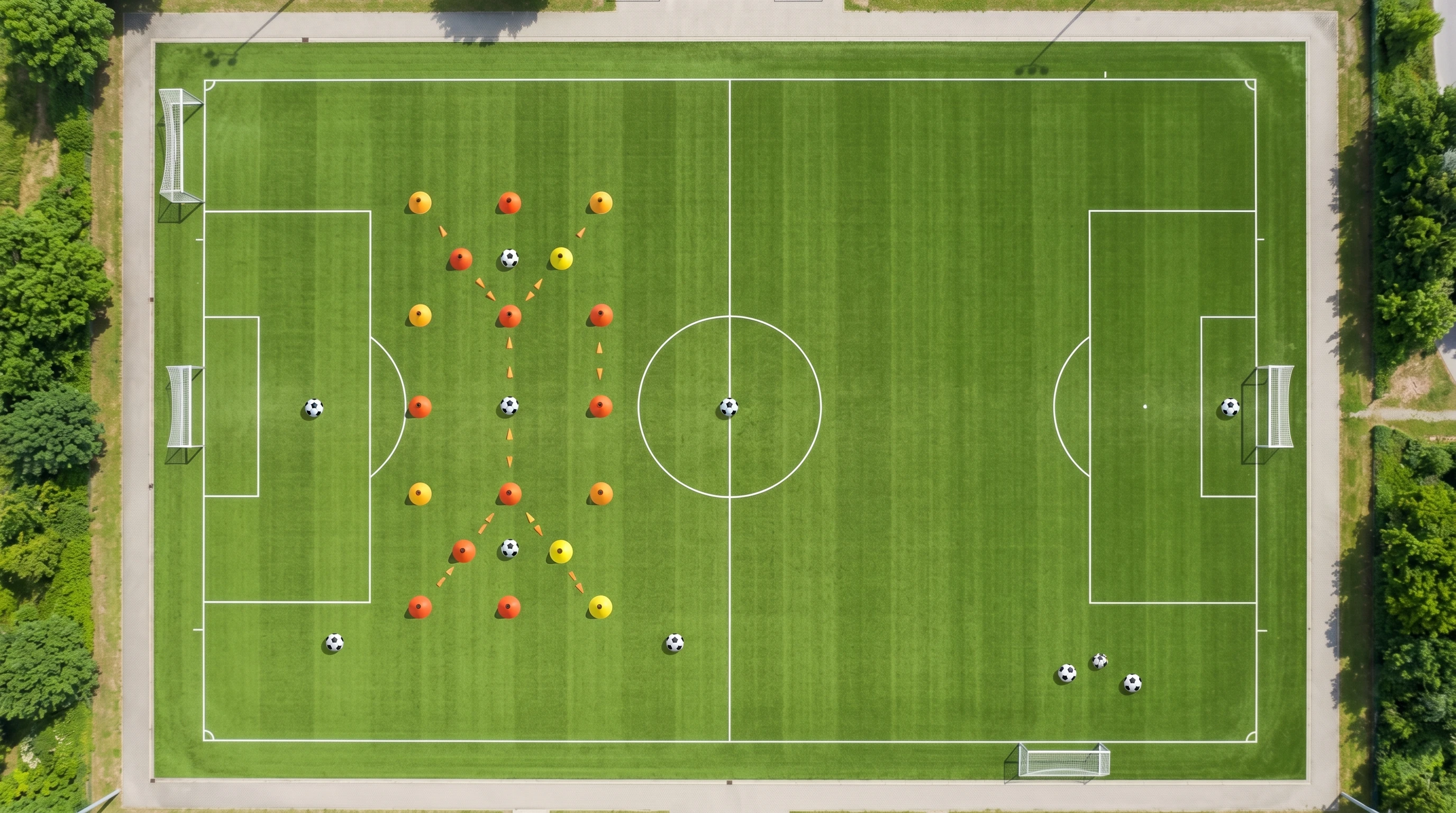
- Passing Gates: Set up small cones as target gates and pass through them with a partner or solo. Start close, then increase the distance as you get better.
- Rondo: Play keepaway in a small circle with a couple of defenders in the middle. Focus on quick, sharp passes and keeping the ball under control.
- Moving Target Passing: Have a partner run to different spots and pass to them on the move, mimicking game scenarios where you need to pass ahead of someone making a run.
Mixing in creative drills and challenging yourself with realistic situations keeps things fresh and encourages better ball control and awareness. Practicing with intention and focus lets you bring these skills to real matches where it counts.
Equipment and Conditions That Play a Role
Gear and playing conditions affect how well you can make accurate passes. I know it sounds basic, but wornout balls or slick, wet grass have made even the best players look silly. Here are a couple of things worth checking out:
- Proper Footwear: Wear cleats that match the field condition. Muddy ground? Longer studs help with grip. Firm ground? Shorter studs keep you agile.
- Ball Quality: Training with a ball that matches your matchday gear is a big help. Cheap or overused balls can behave unpredictably.
- Weather: Rain and wind throw off passing. Practicing in all conditions builds confidence for when the weather turns mid-game.
Examples From Actual Games
Watching big games is a great way to spot passing errors in action. You’ll catch everything from a fullback playing a blind backpass right to an opposing striker, to a winger putting too much power on a through ball and watching it roll out for a goal kick. Even top Premier League teams get punished for basic mistakes like these every week, and it’s often those tiny errors that swing the outcome of tight matches.
Frequently Asked Questions About Passing Errors
I hear a lot of the same questions from players who want to improve their passing. Here are a few that come up the most, with answers that’ll help you fill in the gaps in your own understanding:
Question: How can I get more confident with my passing during a match?
Answer: Focus on short, simple passes to start. Build up to longer or riskier balls as your confidence grows in training and games. Confidence comes with routine practice and seeing success over time.
Question: What should I do if I keep giving the ball away under pressure?
Answer: Try to create space before you get the ball by moving into open areas. Ask for support from your teammates and work on staying calm under pressure; slowing down helps you stop the cycle of rushed mistakes.
Question: What’s the best way to fix a teammate’s passing problem?
Answer: Stay positive and offer clear feedback, but also work together on drills outside of matches. Encourage them to scan the field more and practice basics; they’ll appreciate the help if you keep it supportive instead of critical.
How Improving Passing Helps the Whole Team
Cutting down on passing errors does more than make you look good; it helps every part of the game run smoother. Your team keeps possession longer, sets up better scoring chances, and often avoids dangerous situations that end with conceding goals. Even a slight uptick in passing accuracy can make you a more valuable player and help the entire squad play with more rhythm and confidence. Putting the time into building better habits is never wasted in soccer, and it’s something you’ll see pay off in every match you play.