 Passing is one of the main skills in soccer that separates casual players from those who keep possession and make real plays. Improving accuracy, power, and timing in your passes can take your entire game up a notch. Whether you’re brand new to soccer or already competing at a decent level, working on passing with the right soccer trainer can make these skills feel almost automatic during matches.
If juggling a ball in your backyard has you wishing for some extra help, you’re not alone. Many players struggle with consistent passing or want better drills than just kicking against a wall. Investing in a good soccer passing trainer is an easy way to make your training sessions next-level cool, no teammate required. These tools can seriously sharpen your first touch, accuracy, and speed, helping you develop both feet and try a bunch of creative passes you might not get to try at practice or during regular games.
Here, I’m breaking down the best soccer passing trainers you can get right now, what each is best for, and a few smart tips for using them at home or on the pitch. If you’re ready to step up your passing game, you’ll find some helpful picks below that can really give your skills a boost.
Affiliate Disclosure: This article contains affiliate links. As an Amazon Associate, I may earn a commission from qualifying purchases at no additional cost to you. I only recommend resistance bands and fitness equipment that I believe offer excellent quality, durability, and value for your workouts.
1. Rebounders: The Go-To Passing Trainer
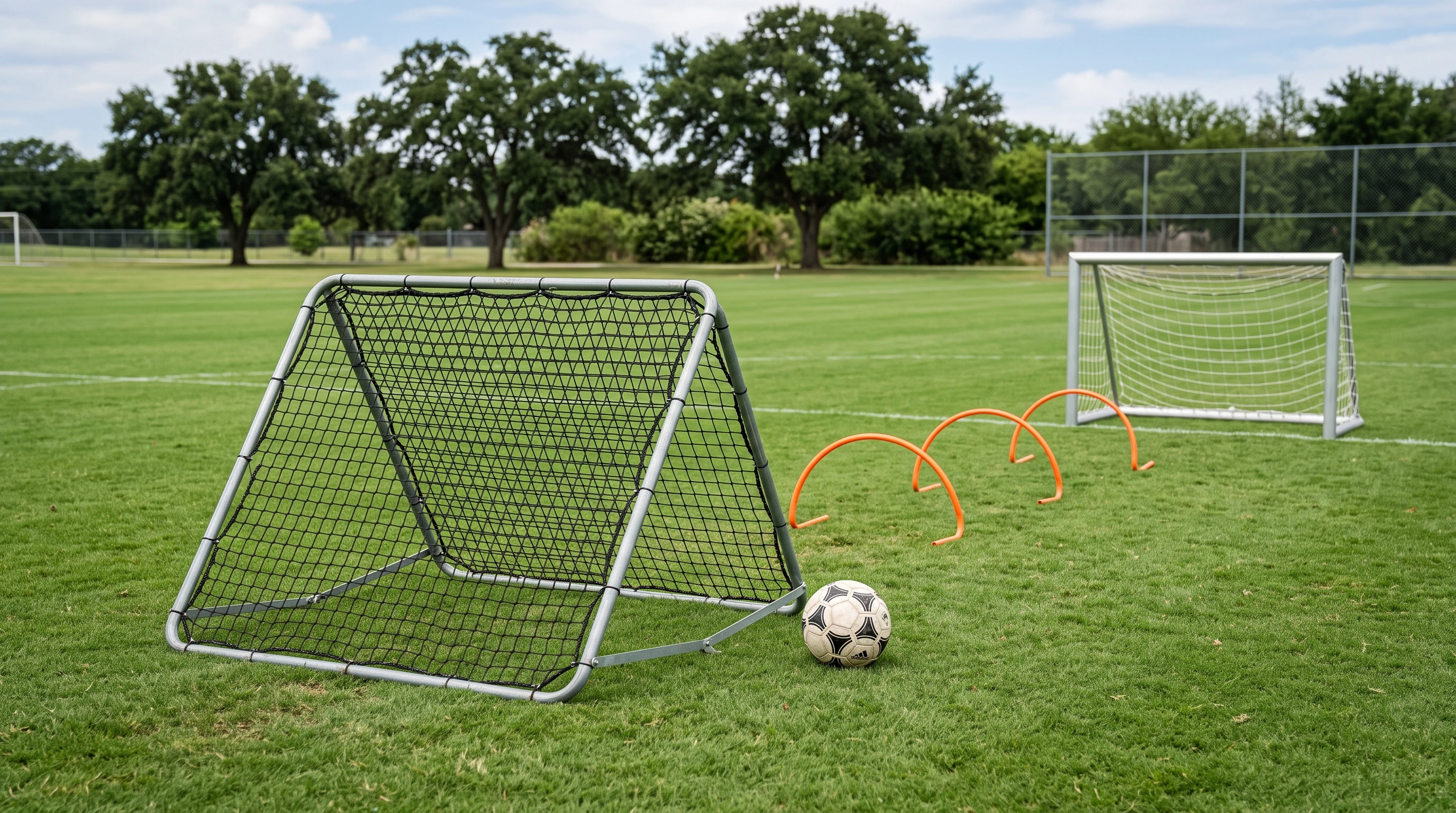
Rebounders are one of the most popular passing trainers and for good reason. They’re basically nets or mesh panels designed to bounce the ball right back to you, so you can work on tons of passing drills solo. They come in different shapes and sizes, including flat, angled, or dual surfaces for more unpredictable returns.
Using a rebounder helps you practice:
- Short, crisp passing along the ground
- One-touch passing and quick movements
- Dealing with awkward bounces, kind of like what happens in real games
- Passing and receiving with both feet
I’ve found that brands like SKLZ Quickster Soccer Trainer and PodiuMax Soccer Net are pretty handy for both youth and older players. For beginners, a larger surface is easier to manage, while advanced players can challenge themselves with compact, angled rebounders that shoot the ball back faster. Some rebounders even fold down for easy storage, making them an ideal addition to your backyard or training gear shed.
With rebounders, you can also add fun challenges to your routine. Set a timer and track how many passes you can complete in a minute, or work with a friend to create competitive drills. This helps keep you motivated and adds a fun twist to daily practice.
2. Passing Arcs and Gates for Precision Drills
Passing arcs (sometimes called passing gates) look like small wickets made from plastic or metal. You set them on the ground to create targets you have to pass through. They’re simple but super useful for building accuracy and staying sharp with ground passes.
Some arc sets even adjust in width, so you can narrow them as you get better. They’re also portable and lightweight, great for training on any flat surface. Coaches often use these for group drills, but there’s no reason you can’t set up a bunch in your yard for solo or small group focused sessions.
Regular drills using passing arcs can really build good habits and improve muscle memory, especially if you vary the distance and add some movement before making your pass. You can make it even more interesting by adding cones or markers for dribbling before you hit a pass through the gates. For extra challenge, try one-touch passes through narrower gates, or mix in left and right foot passes back to back.
3. Passing Walls and Boards for Power and Control
If you’re lucky enough to have access to a solid wall or a purpose built passing board, it’s possible to work on hard-driven passes, long balls, and tricky first touches. Passing boards are sturdy panels, often wood or metal, that aren’t damaged by hard kicks and usually have an angled edge for different return speeds.
Boards like the Maestro Soccer Rebound Board or Kickster Academy Passing Wall are practical for older players or anyone who wants to work on sheer power and control. They’re not quite as portable as nets or arcs, but you get a different feel; returns can be faster and less predictable, which is great for developing your reaction time.
- Place the board at different distances to test accuracy from longer ranges.
- The angle lets you work on chipped passes or balls that bounce before coming back.
- Try striking the board with both feet and work on controlling the ball from rapid returns.
Passing boards also work well for group practice, letting two or three players pass and move, simulating the snappy action of a real match. This kind of variety helps keep players on their toes, strengthening technique and helping you stay sharp in game situations.
4. Weighted and Target Training Balls
Some soccer trainers include weighted balls or specialty target balls. While not rebounders themselves, these tools up the difficulty on passing drills. Weighted balls make you work harder to move the ball cleanly and build leg strength, while target balls come with printed patterns or target zones so you can aim for specific strikes.
Brands like SKLZ and Select offer both types, and they’re nice for adding variety to your practice. It’s easy to toss a weighted ball into your warmup for ten to fifteen minutes, then swap to a standard ball and notice how much easier crisp passing feels. Target balls are also good for group competitions—see who can nail the target most times out of ten tries.
Training with target balls helps you work on precision passes under pressure and enhances your focus when aiming for tight spaces. Making consistent contact with the target zone develops better footwork and ball control that translates to real game situations.
5. App Connected Soccer Passing Trainers
Tech has come to soccer training with new gear like smart rebounders and sensor balls that connect to apps on your phone. These usually track stats like pass speed, number of completed passes, and accuracy scores. If you’re a data driven player, you’ll appreciate the feedback and ability to chart your progress over time.
BlazePod offers agility pods that light up for timed passing challenges, while DribbleUp’s app connected smart ball lets you do guided drills and compete with friends. Just keep in mind that these are higher in price and often require an ongoing subscription for premium content, but they can be super motivating if you love numbers and tracking improvement. Training with these can be especially fun if you enjoy friendly competition or want to share your progress on social media.
👉 View Smart Soccer Training Equipment on Amazon
Top Soccer Passing Trainer Picks for Every Player
So, here’s my short list of trainers worth checking out. These cover different price points and training needs, so there’s something for everyone:
- SKLZ Quickster Soccer Trainer: Easy to set up, sturdy net dual surface rebounder for both ground and air passes.
- PodiuMax Portable Soccer Net: Lightweight and great for youth, good for parks and backyards.
- Maestro Soccer Passing Board: Durable, handles powerful shots without moving much.
- FORZA Soccer Passing Arcs: Great for building accuracy, extremely portable.
- BlazePod Soccer Training Pods: Unique electronic trainer for game like passing drills and reaction work.
👉 View Soccer Passing Trainers on Amazon
It’s smart to pick a trainer based on your space, budget, and goals. For smaller yards, go with a compact rebounder. For accuracy and short passing drills, passing arcs are tough to beat. Want to see your progress with hard data? A smart ball or app trainer can help keep you dialed in and focused on improvement.
You can also pair two or more trainers for varied routines. For example, set up passing arcs along with a rebounder to practice accuracy, then develop quick reactions off the net. This approach prevents boredom and keeps each session interesting, even when you’re training alone.
How to Get the Most From Your Passing Trainer
Once you pick your gear, a few things help you see results faster:
- Vary your passing distance and pace, mix in both feet, and try some passes on the move to mimic match play.
- Combine passing drills with movement drills. Work on passing after sprints or agility ladders to make it more match-like and build stamina.
- Use video (even your phone) to record your form occasionally; seeing your follow through and body shape is eye-opening and helps fix small errors.
- Start simple, then build complexity. Focus on clean technique before rushing into super fast drills. Quality beats quantity in the beginning.
Consistency is the real secret. Set aside ten to twenty minutes each session just for passing work, and over a few weeks, you’ll notice some clear progress in both games and practice. Invite a friend over or challenge family members—making it fun helps you stay motivated.
Ready to Improve Your Passing?
You don’t need a full team to work on your passing. The right training equipment can give you extra repetitions and help you practice accuracy, first touch, and control consistently.
👉 View Soccer Passing Trainers on Amazon
Train consistently. Get more touches. Improve your passing.
Practicing passing with a trainer is an easy way to stand out in games, whether you play midfield, defense, or forward. You get extra reps, fewer errors in games, and way more confidence in tight spots. Each style of soccer passing trainer brings new challenges and helps develop different passing skills, so don’t be afraid to mix things up and keep your training fresh. Try out a few of these trainers to see which matches your playing style and space best, and remember to tweak drills as you improve.
Seen a passing trainer you like or have your own favorite? Drop your thoughts below! Your tips could help fellow soccer fans take their game up a notch too.