
Coaching soccer goes way beyond picking drills and calling substitutions. It’s about being ready for anything on the field, whether that’s rain, strong sun, unexpected injuries, or last-minute issues with equipment. Trust me, the gear and tools a coach brings can make tough training sessions more productive and turn what could be a chaotic game day into a well-oiled team effort. I’ve put together this guide for my fellow coaches, assistant coaches, and club managers who want to make sure they’ve got all their soccer equipment bases covered. The goal is to help you feel prepared and relaxed, so you can focus on player development and enjoy every minute of the game.
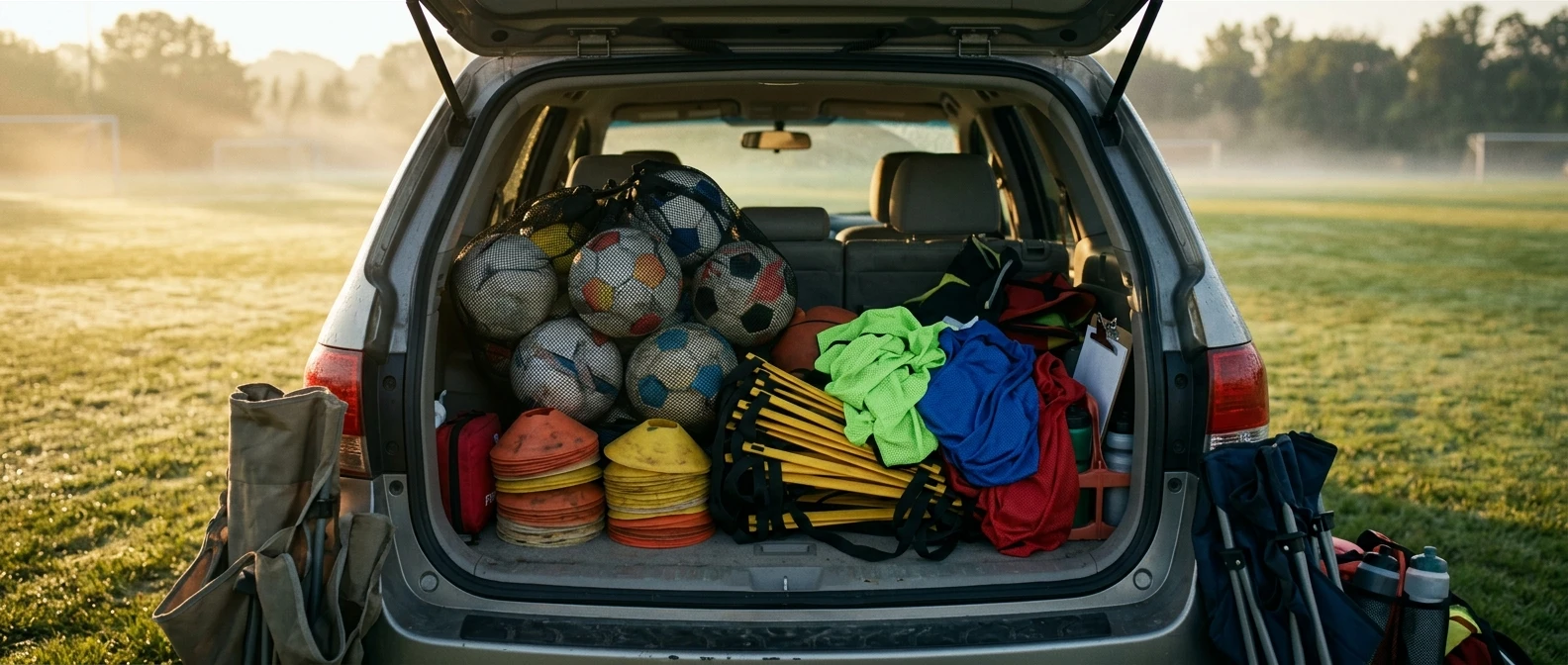
So before we get into the nitty-gritty, here’s a quick look at what this guide covers:
- Coaching equipment basics you can’t skip
- What’s really useful for modern training sessions
- Organizing, maintaining, and storing your tools
- Budgetfriendly picks for coaches
- Frequently asked questions and extra tips
Topic: Soccer Equipment for Coaches
Main Focus: Practical and super detailed guidance on soccer coaching gear
Target audience: Soccer coaches of all levels (youth, amateur, semi-pro)
Length: Long-form guide
Expertise: Firsthand coaching experience and gear management
Keywords: Soccer equipment for coaches, soccer coach gear list, best training tools soccer, soccer coach essentials
Why Soccer Coaches Need the Right Gear
When I first started coaching, I didn’t realize how much equipment I’d end up hauling to each session. Having the right soccer gear helps keep sessions running smoothly and lets your players focus on learning. Gone are the days of constantly searching for missing cones or flat balls. Good equipment allows coaches to show drills clearly, keep order, and react to whatever’s thrown their way, from injury management to rules questions. Here’s the bottom line: coaches who are well-prepped build better learning environments for their teams.
Well-equipped coaches can easily handle:
- Running structured, high-energy practices
- Tracking repetitions, progress, and who’s attending
- Making quick changes (splitting groups, switching drills)
- Handling weather challenges or field issues
- Staying organized wherever training takes place
You don’t need the biggest bag, just the best tools to fit your coaching style and your players’ needs.
Basic Soccer Equipment for Coaches
This is my list of stuff you’ll always find in my car or bag. Some gear is obvious, but I’ll explain why each item really matters—sometimes it’s the smallest pieces that save you the most stress.
1. Soccer Balls
It’s the obvious one, but always bring extra balls, even if your players have theirs. Nothing slows down a practice more than having to chase or retrieve stray balls. Use size 5 for adults or teens, size 4 for young players, and keep at least one ball in a different color for special drills or focus sessions.
Air Pumps and Ball Maintenance
Always pack a pump. Checking ball pressure before each session leads to more predictable play. Hand pumps work fine for portability, and needle tips are essential. I recommend keeping a couple needles in your kit in case of emergencies or popped ones during a session.
2. Cones and Markers
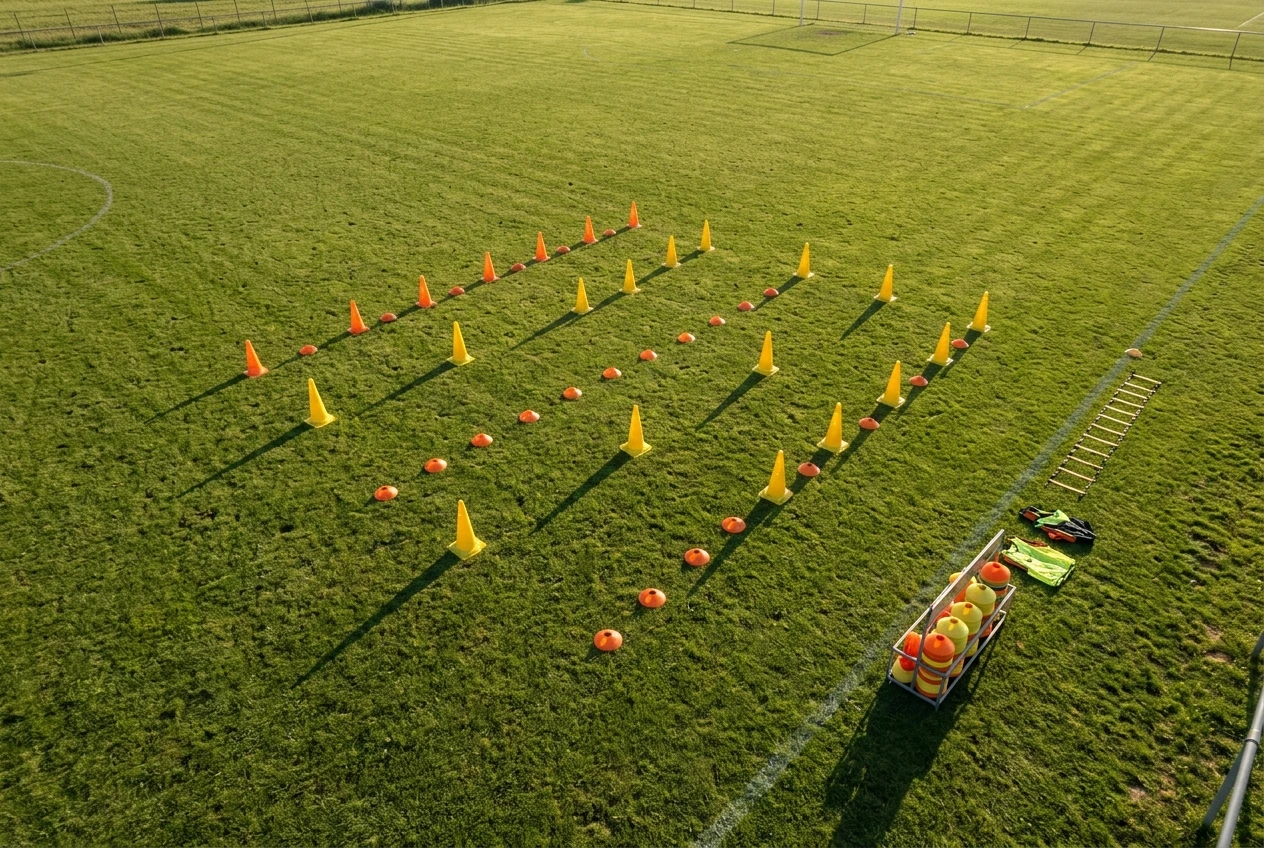
Cones keep your drills organized and your team spread out. My set includes both low disc cones for quick field setup and taller cones for dribbling challenges. Carrying racks for cones make for fast set up and cleanup. Don’t overlook this simple tool—it sets the tone for any session.
3. Pinnies or Training Bibs
Pinnies (or bibs, depending where you’re from) are a quick way to divide teams up for practice games or drills. I carry three colors for easy group rotation. Go for lightweight mesh, and carry a few extra for colder months when everyone adds a layer.
4. Whistle
I stick with pealess whistles; they’re durable, work in all weather, and rarely fail. Always have a backup in your bag. It’s much better than having to shout over a rowdy squad!
5. Stopwatch or Timer
While I sometimes use my phone, a separate stopwatch is easier to grab and less distracting. It keeps sessions sharp and ensures you don’t lose track of time during fast-paced or circuit drills.
6. Clipboard or Coach’s Folder
Session maps, game notes, attendance sheets, and paperwork need a safe place. I use a covered clipboard or waterproof folder that doubles as a writing surface—even when it’s drizzling or muddy. This is invaluable for making quick adjustments mid-session.
7. First Aid Kit
Even at youth practices, scrapes and bumps happen. I keep a basic kit with bandages, antiseptic, tape, and a cold pack. Depending on league or age group, you may need to carry extra medical supplies or specific meds. Check with your club about the required items for emergencies.
8. Water and Hydration
While every player should have a water bottle, I tote a few spares and a collapsible cooler or carrier. Making hydration a habit is part of building a culture of player health, especially on hot days or during intense drills.
9. Portable Goals or Target Nets
For sessions in open fields or nonstandard venues, portable pop up goals are a big help. Foldable versions are easy to stash in your trunk or large coaching bag. Target nets are great for shooting practice and accuracy challenges.
10. Ball Bag or Equipment Bag
No more juggling loose balls. A mesh ball bag keeps everything together and lets gear breathe. I use another compartmentalized bag for the smaller stuff, with strong zippers and weather-resistant fabric to tackle any season.
Advanced Soccer Equipment for Creative Training
Ready to set your sessions apart? Some specialized equipment keeps energy high and helps you train more advanced skills. My favorites offer lots of versatility and immediate benefits.
1. Agility Ladders and Hurdles
Footwork and speed training start here. Agility ladders roll up small and can be used for endless quick feet drills. Hurdles are great for plyometrics and dynamic stretching—plus, players love racing each other through these stations.
2. Passing Arcs and Mini Goals
Passing arcs help design fun slalom courses and technical challenges. Mini pop up goals can go anywhere, letting you turn any part of the field into a game space for 1v1 or accuracy drills.
3. Tactic Boards and Magnetic Coach Boards
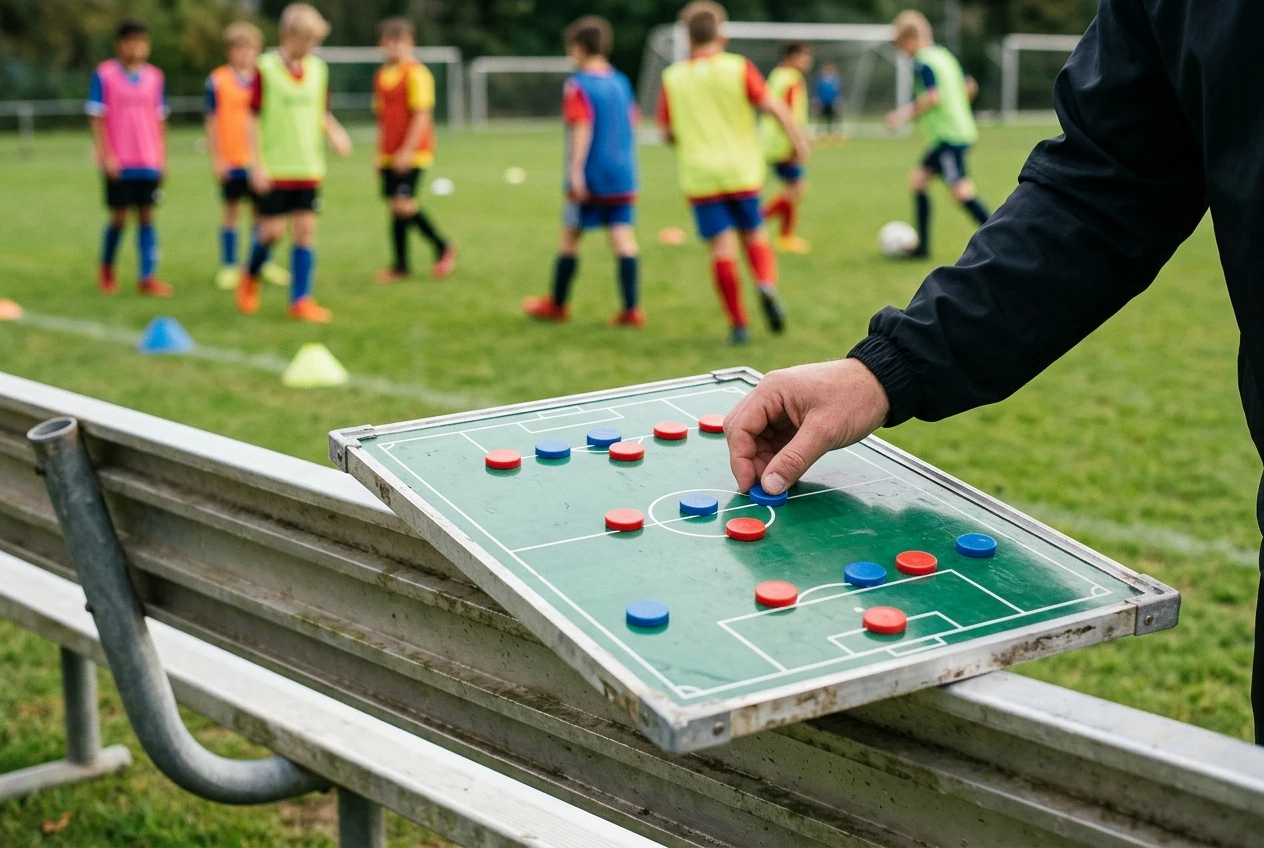
Magnetic tactic boards help spell out team shape, set pieces, or defensive strategy. They’re more engaging than chalk or dry-erase, which is especially helpful for young or visual learners. Many have two sides (one for positions, one for the big picture), making it easy to adjust strategies on the fly.
4. Rebounder Nets
Rebounders give a boost to solo sessions. From volleys to first touches and goalkeeper saves, the bounce keeps players on their toes. Most can fold flat for transport or long-term storage.
5. Speed and Resistance Bands
Fitness doesn’t just mean running laps. Resistance bands add intensity to warm ups, build muscle, and help older or more competitive groups train for explosiveness and strength.
6. Sound Amplifiers or Portable Speakers
A small megaphone keeps large teams or distracted groups dialed in without straining your voice. Waterproof speakers are great for music-based warmups or for timing intervals with sound cues.
7. Digital Attendance and Session Tracking
Paper is good, but digital tracking wins for convenience. I use coaching apps on my phone or tablet to monitor attendance, store session plans, and keep player info handy. It’s a big step up if you often change fields or team rosters.
Some Recommendations Worth Checking Out
- Soccer Coach Pro App: Plan sessions, check out drill ideas, and set up lineups from your phone
- TeamSnap: Manage player info, schedules, and send quick updates to parents or players
Team Management and Organization Tools
Off the field, coaches need to manage logistics and communication. These tools have made my life easier and let me focus more on coaching, less on paperwork.
1. Session Planning Templates
I keep printed plans and also share digital copies through emails or group apps for assistants or parents. This smooths the way for substitutes or when an assistant coach has to step in at the last minute.
2. Roster and Emergency Info
Don’t ever show up without emergency contacts for each player! I keep both a printed and digital (password-protected) copy in my folder every session.
3. Inventory Checklists
Simple checklists or spreadsheets help me keep track of equipment lending, lost items, or necessary restocks. If you forget to run bag inventory, gear tends to vanish over the course of a season.
4. Parent or Player Communication Tools
Apps like Remind, group chats, or simple text chains are my solution for last-minute location changes or cancellations. Making sure everyone is on the same page keeps the emphasis on playing, not chasing updates.
Weather Adaptation and Field Comfort
You never know what weather you’ll get, so a little extra comfort gear in the trunk makes a world of difference. Here are my staples for coaching in all seasons:
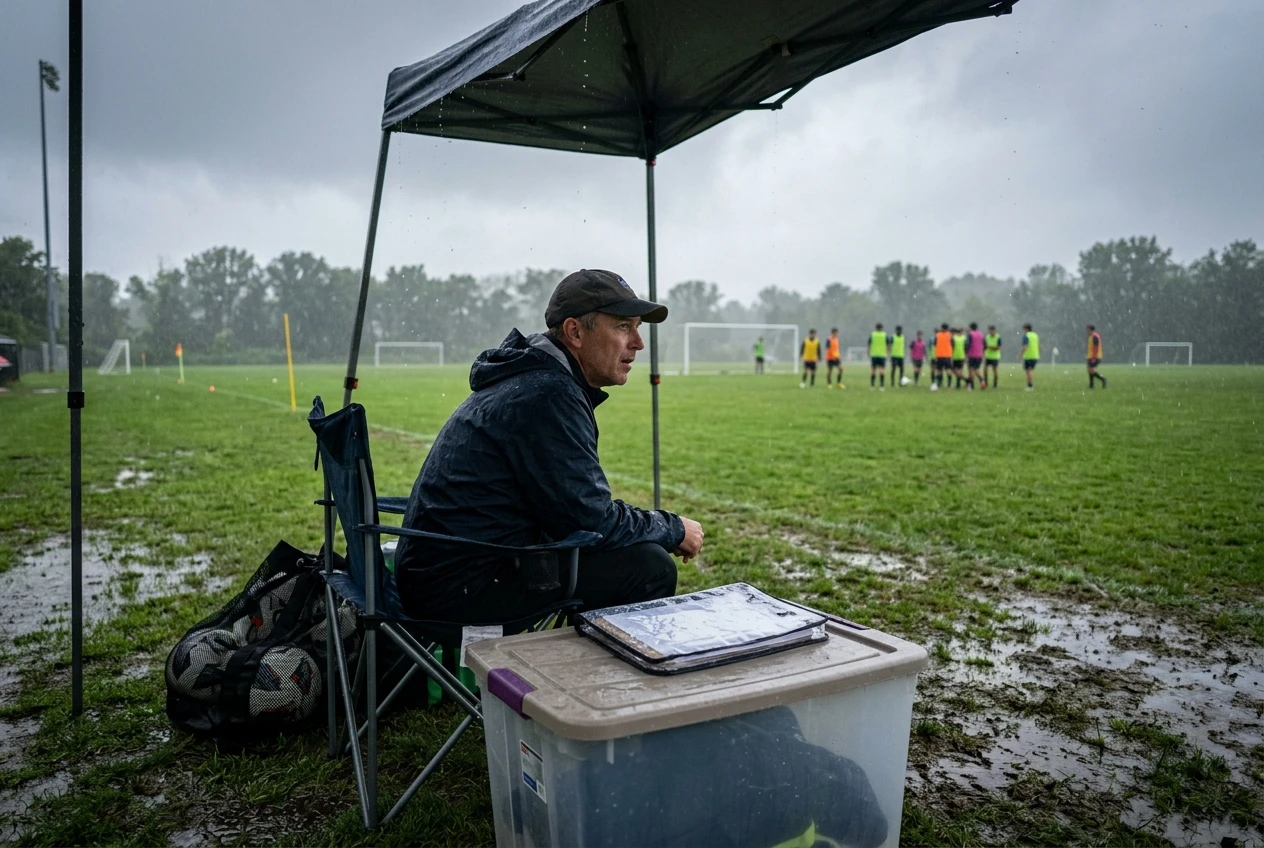
- Portable Umbrella or Pop Up Shelter: Gives shelter from rain or blazing summer sun
- Foldable Sideline Chair: A must for days that stretch on (like tournament weekends)
- Rain Jacket or Extra Layer: Weather swings can catch you off guard—always have a backup on hand
I also pack disposable hand warmers for cold days and use waterproof bags or bins so nothing gets ruined when storms roll in.
Coaching Kits: Customizing for Your Age Group and Level
The gear you need changes as your coaching duties and player ages shift. Here’s a rundown, so you can adjust your kit for each group or level you coach:
Youth Teams (Ages 5–12)
- Balls that fit small feet (size 3 or 4)
- Colorful cones and low disc markers
- Easyto-spot pinnies in fun colors
- Simple tactic boards with large visuals
- Basic first aid kit, water, and quick snacks
Teen / High School Teams
- Durable match-ready balls and plenty of backup gear
- Full agility kit: ladders, hurdles, resistance items
- Tactic board for more detailed formations
- Pop up goals and rebounders for skill work
Adult, Amateur, or Semi-Pro
- Quality, regulation-size balls and advanced field tools
- Extra fitness gear (stopwatches, resistance bands, even GPS trackers for serious conditioning)
- Lineup cards, pregame checklists, analytics apps for coaches tackling strategy at the next level
- Medical kits that include extra supplies—sometimes even a portable defibrillator if needed for large leagues
Maintaining and Storing Your Soccer Coaching Gear
Staying organized week to week keeps everything together, saves you time packing up, and helps your gear last longer. Here are my core routines for keeping my stuff game-ready:
Routine Equipment Checks
- Inspect balls for leaks and proper pressure
- Wash pinnies frequently—nobody likes a funky bib
- Wipe cones, agility ladders, and boards after muddy sessions
- Update your personal inventory post-training so nothing goes missing unnoticed
Off-Season Storage
Keep your kit clean, dry, and out of direct sunlight. A solid storage bin or weatherproof bag in your garage or club hut prevents mold and extends equipment life. Mesh ball bags add airflow, keeping that musty smell away.
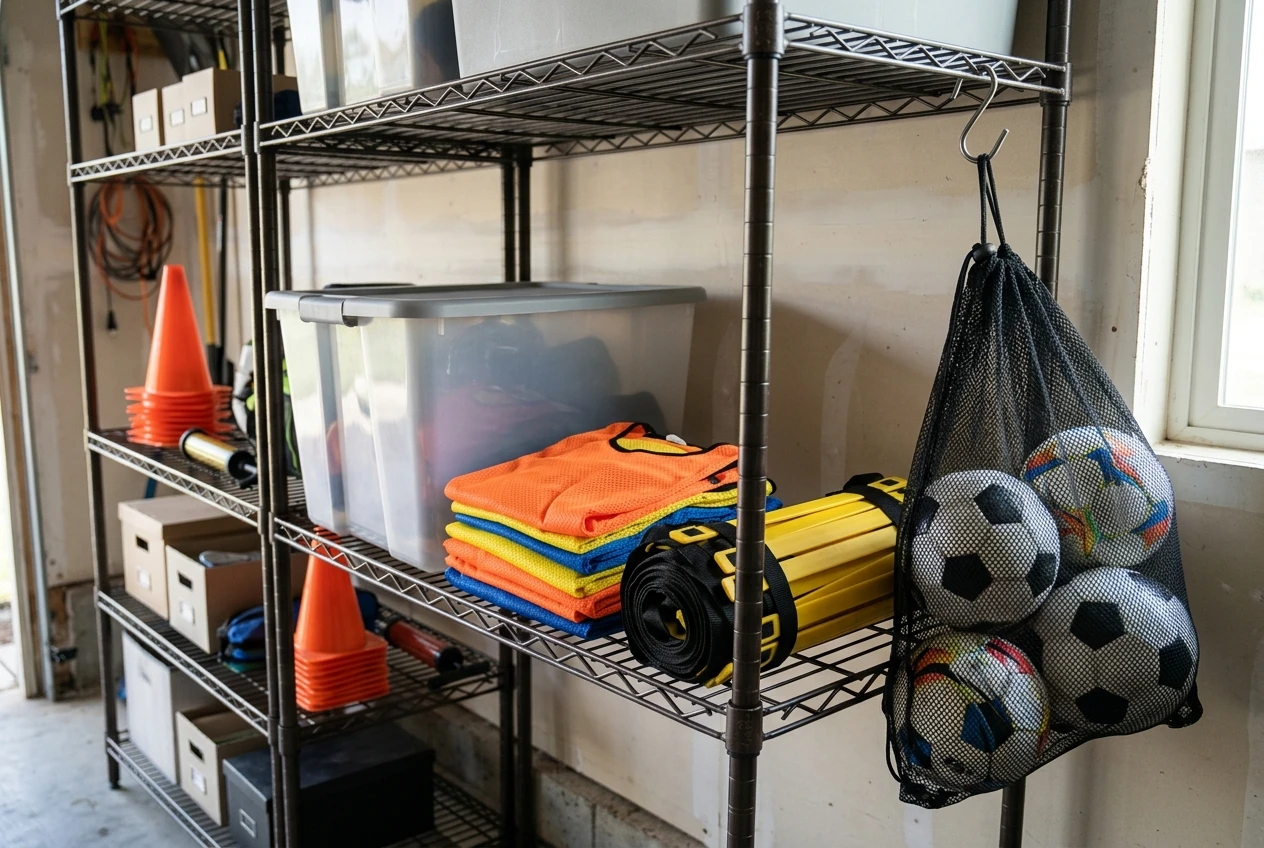
Quick Repairs and Replacements
Athletic tape, zip ties, and a multitool can fix most small issues. If an item breaks more than once in a season, it’s worth upgrading or checking with your club’s equipment manager for a new one.
Budgetfriendly Soccer Coach Equipment Picks
Whether you’re paying out of pocket or getting club support, stretching your budget is always a win. Here’s how I find value and make small investments go further:
Starter Kits and Bundles
Many sports shops and websites offer package deals for coaches who need the basics. These starter kits often come with cones, pinnies, and a tough ball bag—great for new teams or coaches starting from zero.
DIY and Creative Solutions
- Homemade Cones: No cones? Flip over colored cups or make your own discs as last-minute markers
- Multiuse Items: Laundry bags stand in perfectly for carrying balls or extra bibs
- Coaching Boards: Use a regular whiteboard with soccer field lines drawn in marker to save on buying special boards
Where to Find Deals
- Look for pre-season or clearance sales at major stores
- Browse secondhand stores and online markets for big bargains
- Ask your club about team or bulk discounts—sometimes the simplest way to save is to group order with other coaches
While pro-level gear is awesome, you can usually find affordable equipment that’s solid and reliable. Upgrade as you see your program grow or as old equipment finally gives out from heavy use.
Frequently Asked Questions About Soccer Coaching Gear
How Many Soccer Balls Should I Bring to Practice?
I bring at least one ball for every two or three players. This makes group drills flow better and keeps everyone active, even on sprawling fields or split-team sessions.
What Is the Best Type of Coaching Board?
Magnetic boards with clear lines are my go-to. Dry-erase boards can work too, but magnets make it easy to swap positions and show quick lineup changes, especially for younger squads.
How Do I Transport All My Gear?
Rolling bags with multiple pockets are a lifesaver. Divide big items (balls, cones) into one bag and keep the rest (paperwork, first aid) in an easier-access backpack. This saves your back and helps make post-session pack-up much faster.
Should I Invest in High-Tech Training Tools?
Simple is often better, especially for youth or casual teams. GPS trackers and video tools are great for advanced groups, but they cost more and take more setup time. Start with basics and add gadgets if your players and league are up for it.
What If It’s Raining? Is My Equipment Waterproof?
Most coaching gear is just water-resistant; it won’t survive a downpour unless it’s covered. I always toss a garbage bag or dry sack into my kit to keep stuff protected—just dry everything thoroughly after wet sessions!
Extra Tips: Making Life Easier for Soccer Coaches
- Put your name or team ID on all gear, especially bibs and balls
- Carry extra small items (marker pens, whistle, pump needles) so you’re never caught short
- Regularly switch up equipment to spot problems before they get worse
- Ask players for feedback—a small tweak could lead to a big win in practice efficiency
- Create a mini lost-and-found pocket in your bag for snacks, water bottles, or jewelry players leave behind
Finding the Best Soccer Coaching Equipment—Where to Shop
These are my favorite places for finding the gear I need fast:
- Specialty Stores: For quality boards, bags, and hard-to-find upgrades
- Online Shops: Amazon, Soccer.com, and other big retailers offer a ton of choices and many reviews
- Local Sports Stores: Perfect for checking durability firsthand or snagging a last-minute whistle
- Club or League Partners: Sometimes the best deals come straight from your club, thanks to group buying
Reviews from other coaches are your best friend for spotting size quirks, judging durability, or learning real-world tips for using gear in all conditions.
Wrapping Up: My Final Thoughts on Soccer Equipment for Coaches
Showing up with the right gear takes the hassle out of coaching. Each season, you’ll add to your kit, learn new organization tricks, and figure out what your must-haves are—just as I did over the years. Focus on what makes you confident and ready, so you can give every player attention, encouragement, and the best shot at improving. In the end, that organization and preparedness make for a better experience, not just for you, but for your whole team too.
Have a favorite piece of gear, or a great tip for coaching equipment management? Share your thoughts—let’s help each other out!