
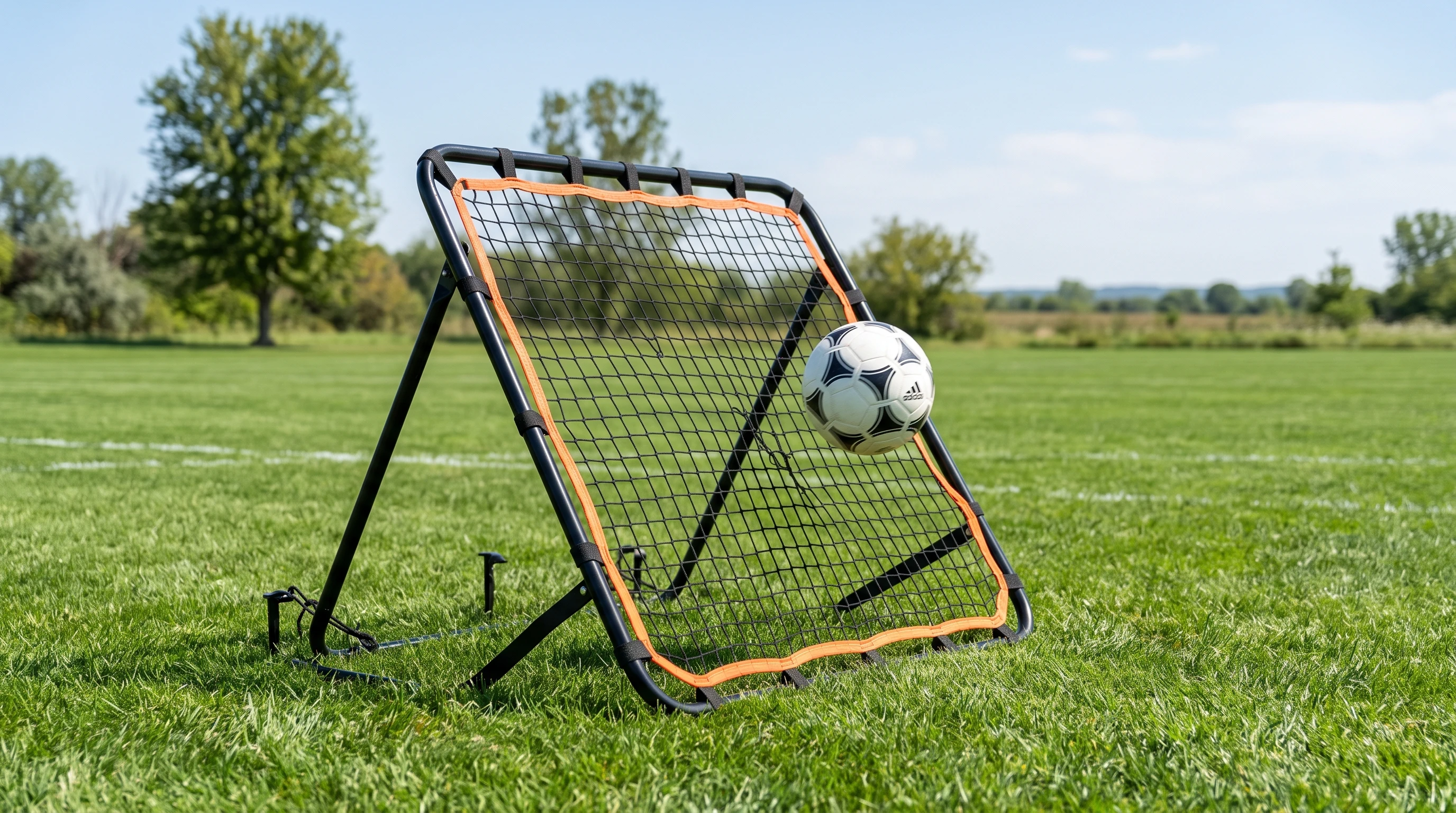
 Soccer rebounder nets are some of my favorite pieces of training gear for soccer players of any level. They’re super useful for practicing first touches, passing accuracy, volleying, and even goalkeeper drills. All this can be done without a training partner. Over the years, I’ve tried a bunch of different types: big and small, foldable, metal frame, tension nets—you name it. Some are absolutely worth the money, while others end up sitting in the garage after a week.If you’re hoping to boost your skills, work on fundamentals, or just burn off some energy in the backyard, picking out a decent soccer rebounder net makes solo training way more engaging and effective. The options can get overwhelming, so I’m sharing what I’ve learned about picking a good one, plus a list of the nets that keep showing up at practices, in backyards, or during sessions with serious players. Whether you’re a beginner, coach, or advanced player, there’s a rebounder net made for you.
Here’s my rundown of what to look for in a soccer rebounder, my top picks with lots of detail about what makes each worth checking out, and some beginner tips so you can get the most out of your new gear. I’ll also share some bonus insights on how to keep your net in great shape.
Affiliate Disclosure: This article contains affiliate links. As an Amazon Associate, I may earn a commission from qualifying purchases at no additional cost to you. I only recommend resistance bands and fitness equipment that I believe offer excellent quality, durability, and value for your workouts.
1. What Is a Soccer Rebounder Net and Why Use One?
A soccer rebounder net is a piece of training equipment designed to send a passed, kicked, or thrown ball right back to you. The frame (usually steel or aluminum) holds a tightly stretched net, so when the ball hits it, you get a bounce-back effect. Some have adjustable frames so you can change the angle, while others stay fixed in one position. The idea is to simulate passes, shots, and even aerial balls so you can drill individual skills repeatedly, with instant feedback and no need for a training partner. This type of feedback makes every solo session more interactive and fun.
Main Benefits
- Improves your touch, trapping, passing, and shooting—no training partner needed.
- Super convenient for backyard or park training, so you can squeeze in practice sessions anytime.
- Helps with consistency and getting lots of reps in a short practice session, which is key for steady improvement.
- Great for practicing volleys, headers, and reflex saves—a fantastic boost for aspiring keepers or field players alike.
Whether you’re a kid, adult, beginner, or an aspiring pro, a rebounder net is pretty handy for getting more out of your time on the field. It allows players to experiment with new techniques and makes practice more dynamic.
2. Key Features to Look For in a Soccer Rebounder
Not all rebounders are built the same. Some are bulky with heavyduty frames, while others fold up for travel. Think about where, how, and how often you’ll use yours before buying.
- Frame Material: Steel is sturdy but heavier, while aluminum is lighter and easier to carry around.
- Net Tension: A tightly stretched net gives a better, snappier rebound. Looser nets absorb too much energy and aren’t as much fun for drills.
- Adjustability: Some nets let you change the angle for ground passes, lofted volleys, or even high balls.
- Size: Larger nets are great for full field drills and higher skill levels. Small nets are more portable and perfect for younger players or quick backyard sessions.
- Assembly and Portability: Foldable or lightweight designs are easy to put in a car trunk or prop up at the park for on-the-go practice.
- Weather Resistance: If you train outdoors through all seasons, go for rustresistant frames and nets that won’t fade or break down under the sun.
Having clear priorities helps narrow things down so you won’t end up stuck with something that just takes up space. If you’re not sure, make a quick checklist of must-haves before you shop.
3. The Best Soccer Rebounder Nets Worth Checking Out
Here’s a snapshot of my favorite rebounders and what they’re good at. I’ve picked a range of price points, from beginnerfriendly to highend options that clubs and coaches actually use. These are all easy to find online, and most have super detailed reviews if you want to dig into the nittygritty.
a) Podiumax Portable Soccer Trainer
This trainer is nice for tight spaces and younger players. It’s lightweight, folds up small, and comes with adjustable angles. Even with regular backyard use, it holds up well without any sag in the net after a few months. Great for working on first touch or ground passes. If you want something easy to move, this is worth a look. Its compact design means you can practice almost anywhere, and the durability is surprising for something so travelfriendly.
Find the Best Deal : https://amzn.to/4g4d978
b) SKLZ Quickster Soccer Rebounder
SKLZ is everywhere in youth training and coaching, and their Quickster is popular for group practices. It’s larger (goal sized) and offers a strong, even rebound for both ground balls and midair returns. The tension rods keep things tight, so you get a reliable bounce. Setup can take a minute the first time, but takedown is quick, which is great if you’re sharing it between fields or transporting it back and forth from home. The frame is surprisingly sturdy considering how portable the design is, making it useful for community fields or multipurpose use.
c) Tekk Trainer Rebounder Goal
The Tekk Trainer is a real workhorse if you want a more serious training tool. It’s one of the biggest consumer models out there (over 6 feet across), and the frame is solid aluminum so it can take powerful shots. You can easily adjust the angle for almost any drill, and it’s super useful for both outfield players and keepers. Not as portable as some, but it’s built to last even with frequent use and rough weather. The size and bounce quality make it a favorite at local club practices and elite training camps. View on Amazon https://amzn.to/3Sm4THX
d) Franklin Sports Soccer Rebounder Net
Franklin’s version is budgetfriendly and compact, making it a solid choice for beginners or kids just starting. The frame is steel, so it weighs a bit more, but assembly is simple and the net rebounds well as long as you keep it tight. If you want something dependable for casual backyard sessions, it’s good value for the money. The design stands up to a lot of weather and rough play, which is perfect for entrylevel players looking to build basic skills before upgrading to a bigger setup.
Depending on your own needs and available space, you can easily find a model that fits your routine. Checking out real user reviews is always a smart move too, since people often share tips for setup and maximizing each model’s features . Shop online https://amzn.to/3S768ui
4. How to Use a Soccer Rebounder for Maximum Improvement
Using a rebounder is easy, but a few simple drills will make your solo workouts a lot more effective and fun. Try these ideas to get started:
- First Touch Drills: Pass the ball into the net and work on controlling it with your nondominant foot. Switch feet every few reps for balanced development. Focus on cushioning the ball and thinking about your next move.
- Volleys and HalfVolleys: Stand a few feet away, hit the ball on the bounce, and send it right back to the rebounder in the air. Try alternating between left and right feet for improved coordination.
- Passing Accuracy: Mark out targets on the net with tape and practice hitting different zones—aim for both speed and precision, and keep track of your success rate to see your progress.
- Goalkeeper Reactions: If your rebounder has an adjustable angle, use it to create unpredictable bounces for diving or reaction saves. These drills will help keepers stay sharp and improve their reflexes.
- Ball Control Games: Challenge yourself to see how many consecutive volleys or controlled touches you can make in a row. This not only boosts touch but keeps things fun and competitive, even when training solo.
If you want more creative drills, try searching on YouTube—there are a ton of solo soccer drill videos for rebounders that can help keep your sessions fresh and exciting.
5. Care, Maintenance, and Tips for Longevity
A little care goes a long way to making your rebounder last for more than just one season. Here are some quick tips I’ve picked up from years of backyard and park training:
- Tighten the net regularly to keep rebounds consistent and avoid sagging. Nets naturally stretch over time, so double-check tension before each session.
- Store the net indoors after use if possible, especially if you live somewhere rainy or snowy. This helps prevent premature rust or mold.
- Rinse off any dirt or grass before storing to keep the net and frame clean. Even a quick hose down can go a long way toward preserving durability.
- For frames made of steel, check for rust occasionally and treat any spots immediately to keep things safe and working well. A little sandpaper and rust preventive paint can extend the life by years.
- If you’re using your rebounder on different surfaces like sand or artificial turf, check the frame for dings or wear and fix them early for best results.
Maintenance takes just a few minutes at a time and can save you replacement costs in the long run. Keeping your rebounder in good shape means you’ll always have dependable training gear ready to go.
6. Final Thoughts
Soccer rebounder nets are a pretty simple way to get more out of your training, especially if you spend a lot of time practicing alone or with just one friend. Picking the right one depends on your skill level, age, and whether you want something portable or heavy duty. Either way, they’re a great way to turn any open space into your own mini training ground. If you have a favorite rebounder or a question about choosing the right size, drop it in the comments—I’m always happy to help out with more info or extra tips!