 Starting soccer can be exciting but also a little intimidating, especially when it comes to fitness. I still remember my first practice. I was totally out of breath, lagging behind everyone else. Soccer fitness isn’t just about endless running; it’s about building up your skills, stamina, and confidence, no matter your starting point.
Getting in shape for soccer opened up a whole new world for me. I got stronger, faster, and my overall health improved, even off the field. If you’re just getting started, there’s no need to be ultrafit or have a sports background. It just takes a bit of consistency, some simple planning, and a focus on the basics.
Why Most New Players Struggle With Soccer Fitness (And How to Move Past It)
Most people struggle with soccer fitness because they either push too hard right away or skip the basics that really help in the long run.
Common reasons include:
- They try to match experienced players and end up burning out fast.
- They ignore warm-ups and cooldowns, leading to muscle pain or even injury.
- They focus only on running, forgetting about strength, flexibility, and agility.
- They don’t have a simple routine to follow, so their progress feels random.
Focusing on balanced training, planning rest days, and starting with beginner friendly routines is really important. Once I started following a simple fitness plan made for soccer, everything got way more enjoyable and productive.
What Soccer Fitness Means For Beginners
Soccer fitness for newcomers isn’t about being able to sprint for 90 minutes. It’s about getting your body used to the core movements and demands of the game. There are a few main areas that beginners should focus on:
- Endurance: Light cardio work helps build your stamina so you can stay active during a game.
- Agility: Quick feet matter way more than pure speed when you’re weaving around players.
- Strength: Lower body and core strength help with balance, kicking, and avoiding injuries.
- Flexibility: Stretching regularly keeps you limber and helps fend off strains.
I found that tackling these areas one at a time, not all at once, makes the biggest difference. Even 10 minute sessions a few times a week improved my skills and confidence.
Many beginners worry that they need fancy training equipment or strict regimens, but the truth is, consistent effort and patience go a long way. Soccer fitness at this stage is about developing good habits, like warming up before games, staying hydrated, and giving your best every session. The early days are really about figuring out what training style works for you and sticking with it as you grow into the sport.
Beginner Soccer Fitness Routines That Actually Work
- Cardio Sessions: I started by jogging for 10 to 20 minutes a few times a week. Brisk walking or cycling works too. You’ll notice your recovery after short sprints gets faster every session.
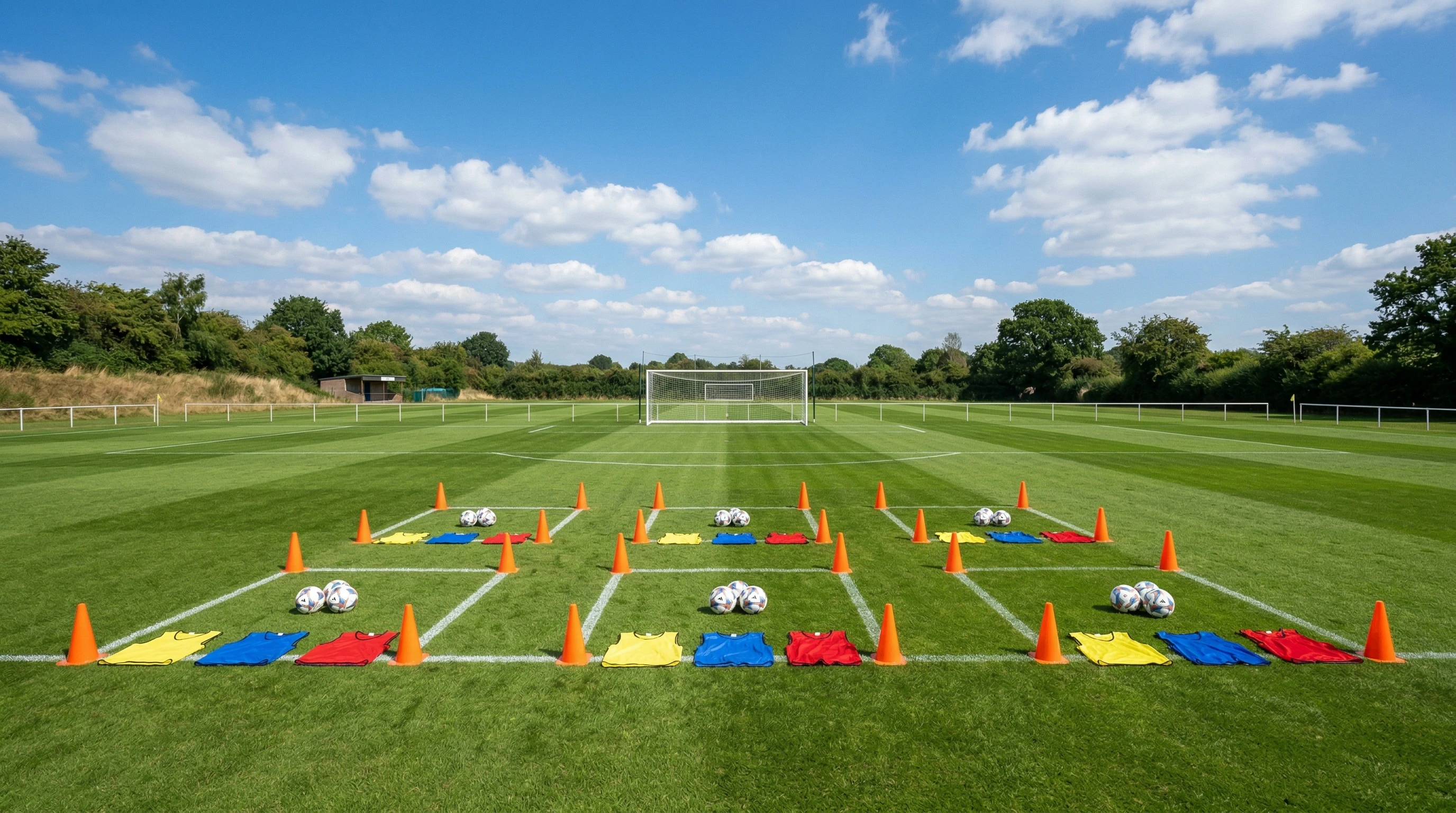
- Agility Drills: The classic ladder drill or putting cones in a line and weaving through them is pretty handy. No fancy gear needed; you can use water bottles or even shoes as markers.
- Bodyweight Strength: Squats, lunges, and planks do the trick for soccer. These build the exact muscles you use on the field but are easy to work into your regular routine with no equipment.
- Dynamic Stretching: I do high knees, butt kicks, and leg swings before practice sessions. Afterward, static stretches like hamstring or quad stretches keep things loose.
Mixing and matching these exercises through the week is a solid way to gradually boost your fitness. Everyone moves at their own pace, and sticking to a regular schedule matters much more than intensity right at the start. Creating a simple plan, like alternating cardio and strength days, gives your body time to adapt and helps you avoid burnout.
How I Improved My Soccer Fitness (And What I’d Do Differently)
When I started, I thought I had to go all in, sprinting and doing pushups like the pros. I was totally exhausted and nearly pulled a muscle in my first month. Eventually, I learned a few lessons that really sped up my progress:
- Consistency Beats Intensity: Three or four short sessions a week made a bigger difference than one super hard workout.
- Don’t Skip Rest Days: I used to think rest was for quitters, but rest actually helps your muscles grow stronger and keeps you motivated.
- Listen To Your Body: Mild soreness is normal, but sharp pain is a hint to back off or change your routine.
- Track Progress: Keeping a notebook or using a fitness app gave me small goals to hit and made improvement measurable.
- Join Others: Practicing with friends, a club, or even a casual group keeps the energy up and helps you learn faster.
If I could go back, I’d pay more attention to proper warm-ups and cooldowns. They make a world of difference in how you feel the next day. Taking extra time to stretch also cut down my chances of injury and really made soccer much more fun in the long run.
Soccer Fitness: Tips That Are Especially Important for Beginners
Find What Motivates You
Sticking with fitness is easier when you know why you’re doing it. Chasing after a ball with friends, learning new skills, or just wanting to feel more confident are all legit reasons to keep at it. I set weekly goals, like running an extra lap or trying a new drill, and rewarded myself with some downtime afterward. It worked wonders for my motivation.
Avoid Common Mistakes
- Skipping the basics: Solid form in simple exercises counts more than fancy moves.
- Ignoring nutrition and hydration: Eating well and staying hydrated helps energy and recovery.
- Comparing yourself to others: Everyone starts somewhere; your only competition is your previous self.
Build Up Gradually
Trying to do too much, too soon, nearly always backfires. Starting light and letting your body catch up is really important. Your confidence and love for the game will grow every week.
Check Out Free Soccer Fitness Resources
- UEFA’s Youth Fitness Tips offers simple guides for new players.
- Apps like Strava and Nike Training Club have beginner friendly routines you can do at home or on a field.
The best resource, though, is just getting out there and trying. Every kick, sprint, and even every stumble helps you learn and get fitter. Don’t be shy about asking for advice at local clubs or from more experienced players—you’ll find that the soccer community is often very welcoming and helpful for newcomers. Sometimes you might even stumble upon a great drill or new training tip just by chatting with someone on the field.
Are You Ready to Level Up Your Soccer Fitness?
- No gym membership needed; just some open space and motivation.
- You don’t need to be an athlete to get started. Everyone builds fitness at their own speed.
- (Almost) every soccer player started as a beginner once.
Ready to feel fitter, more energetic, and have fun on the pitch? Start with the basics above. You’ll be surprised how fast you improve!
Wrapping up, soccer fitness for beginners isn’t about chasing perfection or keeping up with the fastest players. It’s about taking small steps, building habits that help in both game and everyday life, and enjoying the ride. Stick with your routine, be patient with yourself, and celebrate each win along the way. Soon, you’ll notice not just your fitness improving, but your confidence and passion for the game reaching next-level cool, too.