
Soccer tactics in small sided games can completely flip the script on how players approach the sport. With fewer players on each side, whether that’s 3v3, 4v4, 5v5, or even 7v7, everything speeds up: the pace, the decisionmaking, and the number of touches. I’ve found small sided games are one of the best ways to build real soccer IQ, teamwork, and confidence on the ball, whether you’re a coach, a player, or just out for some fun competition. I’m here to walk you through some core tactics, coaching tips, and ideas for anyone looking to get the most from small sided games.
Affiliate Disclosure: This article contains affiliate links. As an Amazon Associate, I may earn from qualifying purchases at no extra cost to you. I only recommend soccer gear that can genuinely help improve speed, comfort, and performance on the field.
Why Small sided Games Matter in Soccer
Small sided games do a lot more than just make regular matches fit into smaller spaces or time slots. They’re pretty handy for developing technical skills—like dribbling, passing, and quick turns—because every player sees more of the ball. With fewer teammates and less space, players need to read the game faster and work together to keep possession or create chances. Coaches and players use these games to sharpen teamwork, improve physical fitness, and keep things fresh and fun, no matter their age or skill level.
Playing small sided isn’t just about scoring more goals. The game feels different, with more open space, tighter marking, and a higher pace. The best part is, everyone has to work harder both on attack and defense, so it’s a great way to develop solid all around players. Playing 5v5 as a kid gave me more time with the ball and forced me to make smarter decisions. I see those same benefits whether I’m watching a youth team or pros using similar drills in training. Plus, small sided games allow more creativity and a higher frequency of ball involvement, which keeps motivation up and players engaged through the entire session.
Getting Started: Key Rules and Field Setup Tips
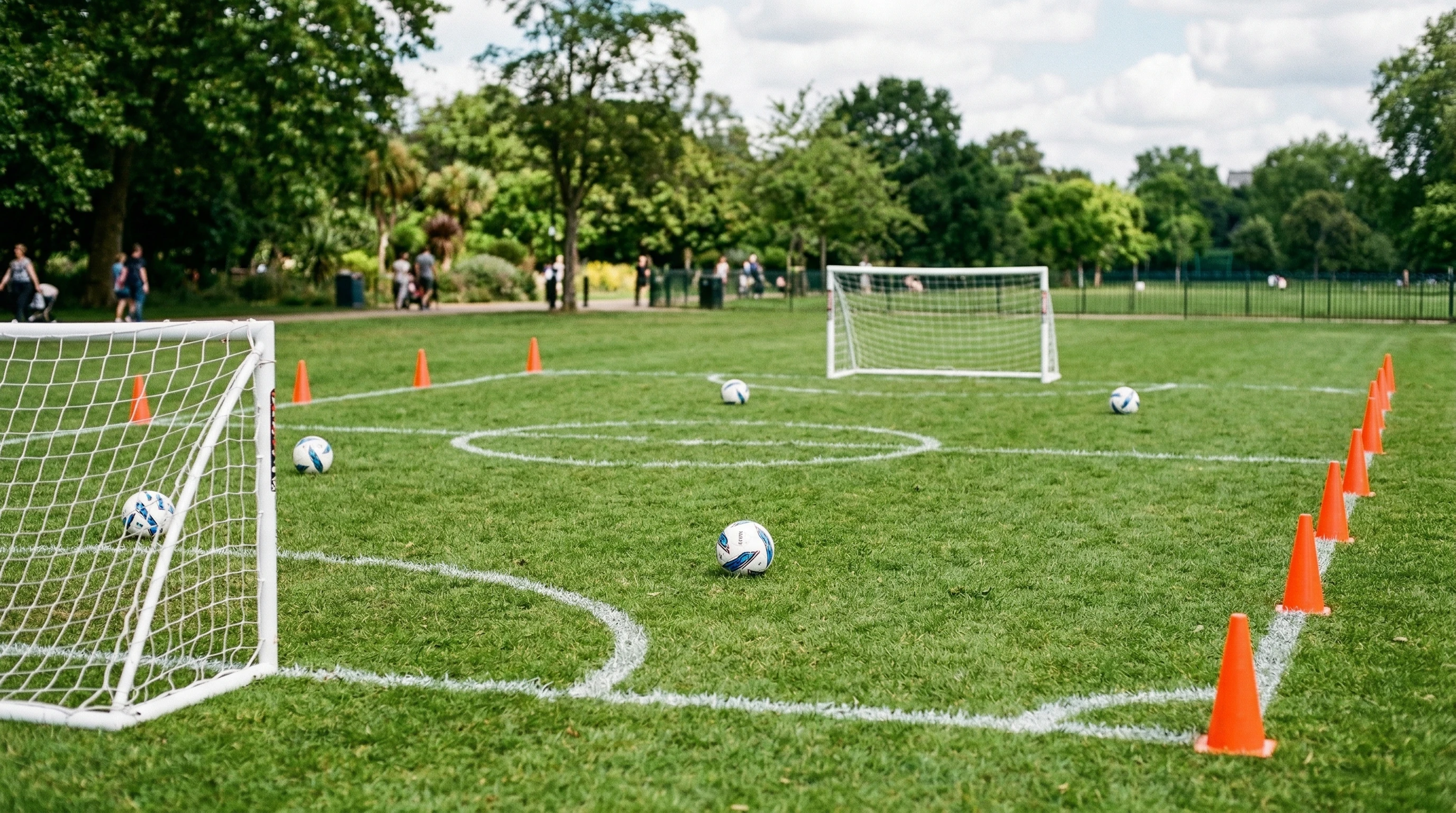
Small sided soccer games can adapt to practically any setup, so knowing the basics helps you play anywhere: backyard, gym, or local park. Here’s what usually changes compared to full field soccer:
- Smaller Pitch: The field size fits the number of players, usually scaled down so everyone stays involved throughout the match.
- Less Players: Instead of the traditional 11 per team, you’ll see teams of 3, 4, 5, or 7. Each number brings its own flavor to the game.
- Shorter Games: Games usually run for 15 to 25 minutes (or until a set goal tally is reached), so intensity stays high and players don’t flag.
- No Offside Rule: Most small sided versions toss out the offside rule, making attacking play more dynamic and creative.
- Smaller Goals: Whether cones or portable nets, goals keep scoring realistic and still encourage good finishing skills.
These tweaks help focus more on fun, creativity, and development instead of just traditional tactics. They also make small sided games super accessible for younger players and total beginners. In addition, quick transitions from defense to attack, and the absence of the offside rule, often result in more exciting and fluid play, which helps newcomerse integrate more quickly and confidently.
Core Tactics for Success in Small sided Soccer
Playing and coaching small sided soccer means adjusting your tactical mindset. Here are some proven approaches I always like to focus on:
1. Keep the Shape Tight, but Flexible
With fewer players, it’s super important for everyone to know their basic spots and responsibilities. In 5v5, for example, a common setup is one player at the back, two in midfield, and one or two up front. But rigid formations aren’t really the goal; staying compact as a group on defense and spreading out quickly on attack are the real keys. Emphasize balancing the team shape, so players always have passing options close by while covering in defense. Being flexible means a team can adjust quickly if the opposition presses high or changes their style mid match.
2. Quick Passing and Movement
Ball movement is everything in small sided soccer. The trick is to keep passes short, simple, and fast. One-touch passes open up the pitch and make it tough for defenders to keep up. Off the ball runs, making diagonal or overlapping sprints, are just as important. When I play or coach, I like to encourage non stop movement, so defenders are always guessing. It’s not about fancy dribbling; it’s about moving as a unit and always being available for a pass. Drills that encourage passing under pressure and rapid switching of play help bring these habits into matches.
3. Swarming Defense and Fast Recovery
Defending with fewer players means no one can hide. Encourage players to work together, pressure the ball quickly, and support teammates if someone gets beaten. This approach, sometimes called “counter pressing,” is really important because quick transitions can lead to easy goals on a small field. I find that reminding players to win the ball back within a few seconds of losing it builds strong, team first habits. A quick defensive effort often catches attacking players off guard and creates chances for instant counters.
Tactical Variations by Game Size
Every format has its own vibe, and it’s worth tweaking tactics based on the number of players. Here’s what to keep in mind for the most popular small sided setups:
3v3 Tips
- Usually played without formal positions
- Encourage fast passing and constant rotation; everyone attacks and everyone defends
- Dribbling and 1v1 skills become even more important
4v4 and 5v5 Focus
- Start building some shape (diamond or square)
- Midfielders can make a real difference by switching play from defense to attack quickly
- Always leave someone ready to defend against the counterattack
7v7 Adjustments
- Formations like 2 3 1 or 3 2 1 help create natural support lines
- Wide play opens up as there’s more space on the flanks
- Encourage overlapping runs from defenders and wingers
Whatever the size, making sure everyone knows their roles while staying adaptable can keep the game flowing and fun. Introducing quick substitutions or changes in formation mid game can also help players experience different tactical responsibilities.
Common Mistakes and How to Fix Them
Players learning small sided soccer sometimes fall into a few patterns that slow their growth or kill momentum. Here’s what I notice most, and how to work around them:
- Bunching Up: It’s tempting for everyone to follow the ball. Remind players to spread out and trust their teammates, which makes games way more effective and enjoyable.
- Rushing Every Play: Slowing down occasionally and making smart decisions leads to more goals than just pure speed.
- Forcing Every Attack: Passing back and starting over isn’t a bad thing; sometimes, retreating a step sets up a way better shot or combination.
- Forgetting Defensive Duties: Everyone has to pitch in when defending, not just the person closest to the ball.
Pointing out these habits in a positive way helps everyone learn and keep the vibe upbeat on and off the field. Regularly rotating roles and discussing tactics as a team encourages responsibility and trust among players.
Advanced Tips to Level Up Small sided Play
Once your group gets comfortable, a few extra ideas can push the game even further. Here’s what I like to suggest:
Experiment with Player Rotations
Changing who plays in each spot keeps teams from getting predictable and helps everyone improve all around. I’ve seen quieter players step into new roles and really shine just by trying defense, attack, or even being the focus of buildup play. Rotations prevent over specialization and let everyone explore their strengths and weaknesses.
Play with Touch Limits
Setting a maximum number of touches, like two or three, can boost passing speed and force players to think ahead. This tool really steps up teamwork and keeps games from slowing down. You’ll often see instant improvement in game tempo and field awareness.
Encourage Communication
Small sided games are a great time to build confidence speaking up on the field. Encouraging teammates, calling for passes, or helping organize the defense is super important in close spaces. I like to give positive shoutouts whenever someone speaks up or helps the team stay on track. Building these habits early pays off in bigger matches and other settings.
The Benefits of Small sided Games for Skill Development
There’s a reason so many youth academies, pro teams, and pickup leagues build their programs around small sided games. On top of making games fun and inclusive, the benefits stack up:
- Every player gets more touches on the ball
- Decisionmaking gets faster and more instinctive
- Confidence grows thanks to more involvement and responsibility
- Fitness improves with the higher tempo and quick restarts
Whether you’re coaching kids, joining a local rec league, or just playing for fun, these games build real soccer skills in a way that feels natural. They also foster communication skills, adaptability, and leadership—qualities that carry over beyond the pitch.
Here are a few beginner-friendly soccer training tools worth checking out:
- Quick Play PRO Rebounder — Great for solo passing, first touch, and reaction training.
- SKLZ Quickster Soccer Trainer — Excellent for practicing quick touches and ball control.
- PowerNet Soccer Rebound Net — Perfect for advanced reps, volleys, and long passing drills.
- Franklin Sports Soccer Rebounder — A solid affordable option for beginners and families.
- Techne Futbol Training App — Helpful for guided ball mastery and at-home technical sessions.
Frequently Asked Questions
Here are some common questions I get about tactics in small sided soccer:
Question: Is it better to focus on passing or dribbling in small sided games?
Answer: Both are important, but quick passing usually leads to more chances and keeps the game flowing. Still, don’t discourage players from taking on defenders 1v1; it keeps defenders honest and creates unpredictability in attack.
Question: What age is best for starting small sided games?
Answer: Almost any age works, but ages 6–12 get the most benefit from smaller formats. They get tons of touches and chances to develop basics without getting lost in the crowd. Small sided games also work well for older newcomers because they can ease into competitive play without the pressure of full sized matches.
Question: How do I set up a quick small sided game with friends?
Answer: Grab some cones or anything to mark corners, pick teams, set a score limit or time, and play. No need for fancy gear; just focus on having fun and staying active. Remember, variety keeps things interesting, so feel free to mix in a new rule or challenge once in a while.
Final Tips for Coaches, Parents, and Players
Bringing small sided soccer into your routine opens up opportunities for learning, fun, and building lifelong skills on and off the field. Mix up your drills, try new tactics, and keep games positive. You’ll see more confident, adaptable, and technically sharp players in the long run.
Whether you’re managing your first team, jumping into a new sport, or just want to boost your skills with friends, small sided games make the ride rewarding and enjoyable every step of the way. If you keep things upbeat, emphasize teamwork, and encourage everyone to have a go in different positions, you’ll set up players for long term success and a lifelong love of soccer.