
Private soccer training can feel like a game changer for parents and kids deeply invested in the sport. Whether your child dreams of playing at a competitive level or just wants to build confidence with the ball, the discussion about one-on-one coaching comes up pretty often. I’ve spent years around youth soccer, both as a parent and team volunteer, and I’ve watched families find their way through these choices with lots of questions. I’m ready to break down what private soccer training really offers, what to expect, and how to decide if it’s a good investment for your child.
Affiliate Disclosure: This article contains affiliate links. As an Amazon Associate, I may earn from qualifying purchases at no extra cost to you. I only recommend soccer gear that can genuinely help improve speed, comfort, and performance on the field.
The Basics of Private Soccer Training for Kids
Private soccer training usually means hiring a coach to work one-on-one or in a small group with your child. These sessions focus on specific skills, give direct feedback, and can help players progress faster than they might in a larger team setting. You’ll spot these offerings everywhere, from local soccer clubs to independent trainers advertising on social media.
This kind of training stands out because the coach can create drills and advice to fit your kid’s unique needs. Maybe your child struggles with footwork, confidence on the ball, or just wants to improve their shooting accuracy. In a team environment, coaches are often stretched thin, splitting attention among a dozen or more players. Private sessions provide kids a dedicated chunk of time focused on their development, often leading to quick improvement in certain areas.
Why Families Consider Investing in Private Soccer Coaching
The main motivation I see is the desire for a more personalized approach. Team practices are great for learning tactics and group play, but they can’t always dig into individual weaknesses or polish specific talents. Here are some popular reasons parents choose private training:
- Skill development: For kids looking to work on technical skills like dribbling, passing, shooting, or defending, this kind of training targets these directly.
- Building confidence: Some kids get anxious in big groups and find their feet quicker when working privately at their own pace.
- Getting ahead for tryouts: Preparing for travel teams, school squads, or high-level tryouts often motivates families to seek a training boost.
- Injuries and recovery: After injury, some coaches shape sessions for a careful, supportive comeback.
I’ve seen shy kids blossom in a few months of targeted, supportive one-on-one time. I’ve also seen competitive kids get the edge needed to move up a level. It’s a very personal decision that depends on goals, personality, and family resources.
Typical Structure and Content of Private Soccer Sessions
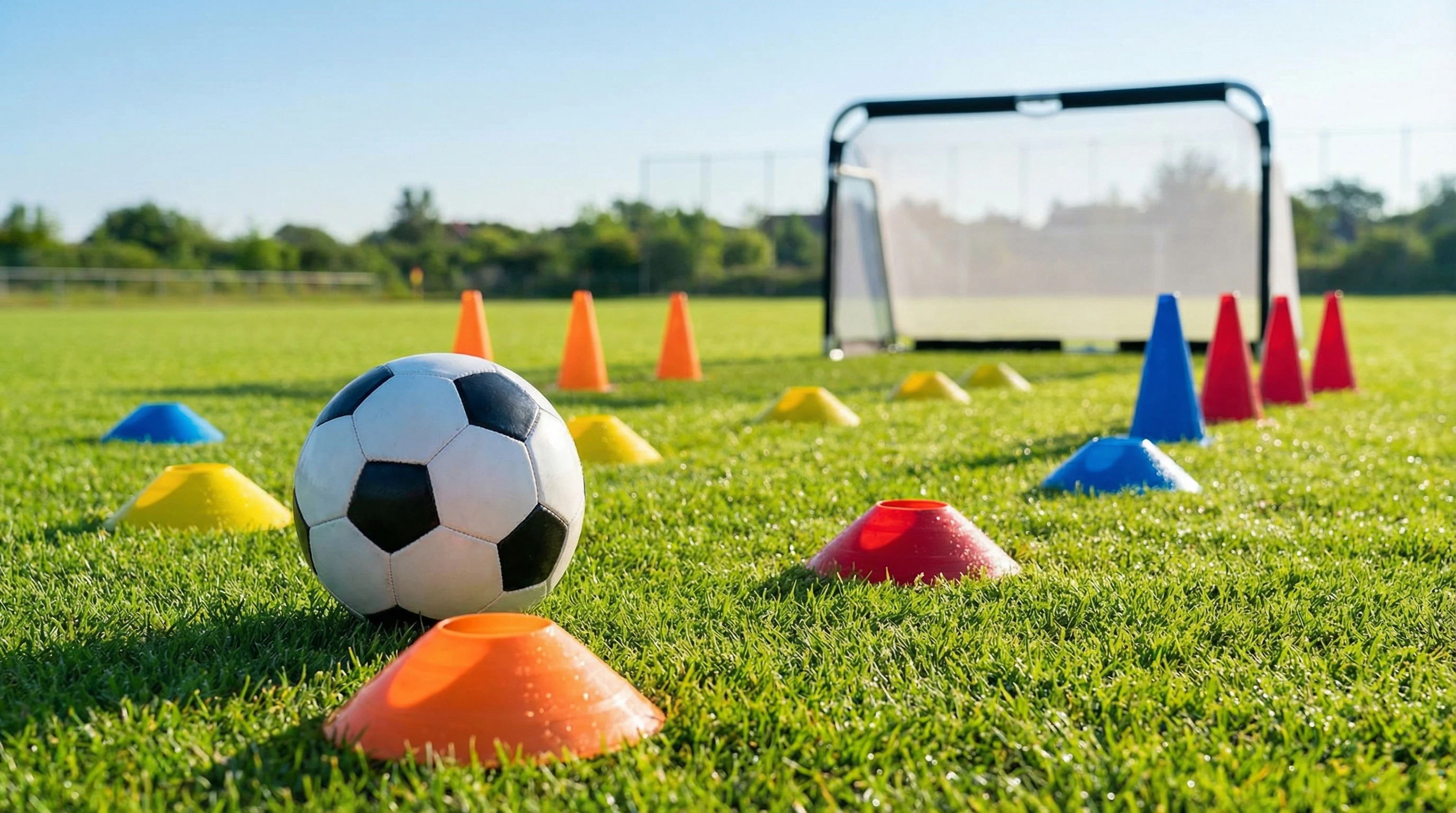
Sessions usually last between 45 minutes to 90 minutes. Coaches might bring cones, rebounders, and mini goals, then set up skill stations. My favorite sessions I’ve seen are broken into warmups, targeted technical drills, situational play, and finally cooldown and feedback.
Here’s what’s pretty common in a standard private session:
- Ball mastery drills: Repetition of foot skills, quick touches, and dribbling moves to boost comfort and speed.
- Passing and shooting: Correct form, accuracy, and decision making under small amounts of pressure.
- Positional work: For older or more advanced players, trainers teach basics of positioning and movement.
- Fitness and agility: Fun speed ladders, cone zigzags, or bodyweight exercises to build soccer-specific conditioning.
- Review and feedback: Coaches talk through strengths, corrections, and things to practice at home.
These sessions are really flexible, and many coaches bring in new drills each week based on progress and what the player needs most.
It’s also common for coaches to involve parents in parts of the session or to provide take-home drills, which can make training much more interactive and reinforce learning at home.
Potential Benefits of Private Soccer Training for Kids
Jumpstarting with private training can bring some solid positives, especially if your child is motivated and ready to work. Here’s what stands out in my experience and what others have shared:
- Personal Attention: A coach focuses just on your child’s form, technique, and mindset, which makes small problems easier to fix.
- Faster Progression: Kids usually see growth in specific skills more quickly than in group-only environments.
- Customized Drills: Sessions will match your child’s skill level, body type, and personal goals.
- Boosted Confidence: Mastering skills in private sessions helps many kids feel more self assured in games with their teams.
- Stronger coach relationship: Over time, kids and coaches build a closer partnership, which can help with feedback and motivation.
Several studies in youth sport coaching (like those reviewed in the International Journal of Environmental Research and Public Health) show that individualized feedback leads to better learning outcomes and greater player involvement, especially in skill-based sports like soccer.
Recommended Soccer Training Gear
Using the right soccer gear can help players improve faster, stay motivated, and get more quality touches during training sessions.
⚽ Soccer Training Cones – Perfect for dribbling drills, first-touch exercises, agility work, and small-sided games.
👉 Grab Soccer Training Cones Here: Soccer Training Cones on Amazon
⚽ Agility Ladder – Great for improving quick feet, balance, coordination, and explosiveness on the field.
👉 Shop Agility Ladders Here: Agility Ladders on Amazon
⚽ Soccer Rebounder Net – Excellent for solo training, first-touch practice, passing drills, and reaction work under pressure.
👉 View Soccer Rebounder Nets: Soccer Rebounder Nets on Amazon
⚽ Size 4 Soccer Ball – A solid choice for youth players developing close control, passing accuracy, and confidence on the ball.
👉 Check Size 4 Soccer Balls: Size 4 Soccer Balls on Amazon
⚽ Resistance Bands for Soccer Training – Great for building explosive speed, agility, balance, and lower-body strength.
👉 Shop Resistance Bands Here: Resistance Bands on Amazon
⚽ Soccer Cleats for Speed & Control – Lightweight cleats can help players move quicker, improve traction, and feel more confident during training and matches.
👉 Explore Soccer Cleats Here: Soccer Cleats on Amazon
Questions and Concerns Before Committing
There are some big things you should consider before booking that first private session. You might be thinking:
- Is it worth the cost? Private training isn’t cheap, often ranging from $40 to $150 or more per hour based on coach reputation and location. For families on a budget, this adds up quickly. Consider what your child truly enjoys and if they’re self-motivated for extra training.
- Will my child really benefit? Not every kid thrives alone. Some learn best with peers around, and putting too much weight on solo training can lead to burnout or pressure. Make sure your child is the one interested—not just you.
- Are there alternatives? Some clubs offer small group clinics, technical academies, or skills classes for less money per session. Check these out too, since they can provide a good coaching-to-kid ratio at lower cost.
- Is the coach qualified? Ask about certifications, coaching philosophy, reviews from other families, and soccer experience. A good coach is not just great at teaching soccer—they should build character, communicate well, and keep it fun. Here’s a helpful resource for tracking down reputable coaches: U.S. Soccer Coaching License Pathway.
Cost vs Value Considerations
Cost is one of the biggest sticking points for parents. Some coaches have package deals or sibling discounts. In my view, value develops as your child gets involved. Many young kids benefit just as much from free park play or weekend clinics. But kids who are soccer-obsessed and truly want to get better may get a lot from private sessions.
Burnout and Balance
This is truly important. If the schedule is packed with school, club, and private lessons, kids might get tired of the sport they once loved. Keep checking in and encourage other interests too. Private training should give soccer a boost, not take away from a kid’s enjoyment.
Private Training and Real-World Outcomes
I’ve watched plenty of kids move from rec leagues to competitive teams with help from just a season or two of private coaching. Others stay in rec, but stand taller and play with more confidence at Saturday games. Advanced training isn’t a magic ticket to future scholarships, but it often helps unlock potential and spark a stronger love for the game.
Some trainers will share stories about kids who made premier teams or regional squads after regular one-on-one sessions. These results depend mostly on a player’s own motivation, attitude, and willingness to practice. If your child comes away from sessions energized and practicing on their own, it’s usually a sign that things are headed in the right direction.
Parents should also know that the skills learned in private sessions can spill over to other activities—helping with focus, perseverance, and self-discipline on or off the field. Even if your child doesn’t end up pursuing soccer long term, the lessons gained can echo in everyday life.
Frequently Asked Questions
I hear some common questions from parents all the time:
Is private soccer training recommended for beginners?
For very young or brand new players, having fun and getting excited about soccer is more important than structured lessons. Once your child gets the soccer bug and wants to dig into skills, private sessions start making more sense.
How often should my child attend private sessions?
Once a week is usually enough for most kids, especially if they already do team practices. More frequent sessions help advanced players, but always remember to balance training and rest.
Can private training help with college recruiting?
Private coaching can polish skills and develop confidence, which is great for showcases or tryouts. But college recruitment involves many factors. Being a great teammate and consistent in real games is still most important for attracting recruiters.
My Honest Take: Is Private Soccer Coaching Worth It?
The answer depends on your family’s budget, your child’s motivation, and your actual goals. If your kid wants extra practice and seeks detailed feedback, private training could be the right move. But if it causes stress at home, eats up all your weekends, or puts pressure on your child, it’s fine to look at other ways to support their interest in soccer.
Soccer should be about fun, learning, and growing as a person. Most kids will do well—and might enjoy it more—with strong group coaching, plenty of free play, and time with friends. But for players who are already goal-driven and want to take their skills up a notch, private coaching can be a rewarding way to build confidence and skill. Checking in regularly with your child and picking an experienced, positive coach is key to making sure the experience stays on the bright side.
Bottom line: Take care to balance commitment and fun, and always let your child’s interest guide your choices. That’s what makes for a win—on and off the field!