
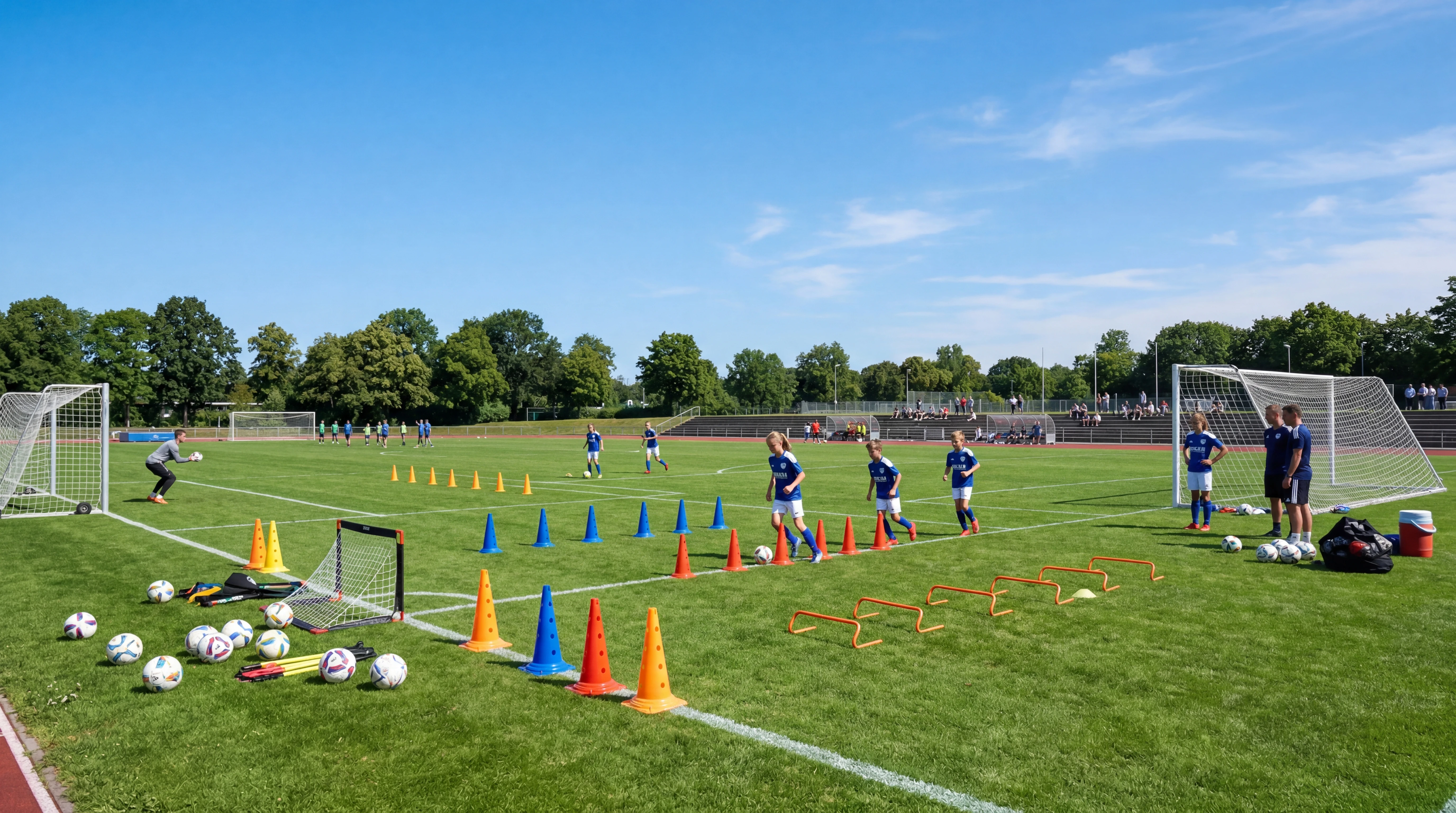
 When I first started coaching soccer, it felt a bit overwhelming trying to find the right training methods that really worked for my players. I’d search everywhere for drills and plans, but most guides just handed out the same old routines and never explained why or how they were effective. Figuring out what to do was frustrating at times, especially with so many coaching styles floating around.
I’ve learned a lot through trial, error, and watching other coaches. Over the years, I’ve found that the best results come from combining several modern techniques, not just sticking to what’s been done for decades. Players respond better, progress faster, and seem to have way more fun. So, I’m excited to walk you through some soccer coach training methods that have helped me and many others run sessions that really get results.
Why Soccer Coaching Methods Matter (And What Most Coaches Get Wrong)
The biggest challenge new soccer coaches face isn’t a lack of passion; it’s not knowing which methods will actually build skills, teamwork, and confidence. I’ve seen coaches pour hours into planning, but the sessions fall flat. Often, players get bored, lose motivation, or don’t see improvement. Here are a few reasons why that happens:
- Training sessions rely too much on old school drills without real game application.
- Coaches forget to balance technique with fun and creativity.
- Young players feel lost because instructions aren’t clear or drills are too advanced.
- There’s little focus on helping players understand the “why” behind each exercise.
Mixing up your methods, keeping sessions fresh, and always adapting to your team’s needs solves these issues and keeps players coming back excited to learn more.
What Does a Modern Soccer Coach Training Session Look Like?
Modern soccer coaching is all about blending structure with flexibility. I’ve had the most success when I break my practices into segments; warmups, technical drills, tactical activities, and match play. The flow keeps everyone engaged and lets every player build both personal skills and team awareness.
Here’s how an all-in-one session usually stacks up:
- Dynamic Warmups: Activities to get muscles ready and minds focused, with lots of movement instead of standing around.
- Technical Drills: Passing, dribbling, shooting. Here, I break skills down then build them up with repetition and feedback.
- Small Sided Games: 3v3 or 5v5 games that put skills into play under pressure without overwhelming players with a full field.
- Tactical Scenarios: Creating situations where players learn positioning, spacing, and decisionmaking (like small transition games or attacking versus defensive shape).
- Cool Down: A mix of light jogging, stretching, and a quick debrief to reflect on the day’s learning.
If your players are new, it’s great to sprinkle in moments for questions and reflection. Even two or three minutes helps players process and remember.
Methods I Use to Train Soccer Players
I’ve tried a bunch of approaches over the years. Some methods are super useful when you’re short on time, while others work better for skill development over the long haul. Here are a few favorites from my toolkit:
- Game Based Learning: Players learn fastest when practice feels like the real game. I use activities that mirror situations they’ll face on the field. This improves decisionmaking and brings out creativity.
- Progressive Drills: Start simple, then layer on complexity. For example, begin with basic passing, then add defenders or time limits. It keeps players engaged and makes sure no one hits a wall.
- Technical Correction: I give quick, clear feedback during drills and let players self correct. I avoid stopping everything after each mistake. Instead, I keep the flow going and chat with players on the side when needed.
- Rotational Stations: Divide the team into small groups and set up different stations focusing on skills like finishing, dribbling, or defending. Players move through at their own pace, staying active and involved.
- Video Review: Even short video clips can help. I occasionally show players recordings of our sessions or pro matches so they can see concepts in action.
Building the Right Training Environment
It’s not just about the drills. Creating a positive, supportive environment is super important. I always make sure:
- The tone is encouraging. Mistakes are just part of learning, so I cheer effort, not just outcomes.
- Players get time to talk and ask questions. This boosts involvement and lets me check in on their understanding.
- Music or fun warmup games can break the ice and get everyone loose before jumping into tougher work.
Personal connections go a long way. Taking a minute to ask how a player’s week is going fosters trust and respect, which carries over into better focus and teamwork.
Practical Tips for Running Better Training Sessions
- Keep instructions short and clear. Demonstrate first, then let players try.
- Use small sided games often, since they get everyone more touches and more involved.
- Switch up drills often to fight boredom.
- Track player progress and give plenty of positive feedback, so everyone sees how far they’ve come.
It also helps to set quick goals for each session, like “today we’ll focus on passing accuracy.” This keeps players dialed in and gives everyone a sense of achievement.
Real Results I’ve Seen from Mixing My Methods
I’ve seen some pretty eye-catching improvements after being intentional about my training style. For example:
- Players who struggled with confidence opened up way more in game based drills compared to line drills.
- Teams grew tighter as a unit after regular small sided games encouraged communication.
- Parent feedback almost always mentioned how their kids grew to love coming to practice because training felt more like play.
It doesn’t matter if you’re working with little kids or teens; mixing in these different methods keeps things fresh and helps players grow both on and off the field.
Try These Soccer Coaching Methods With Your Team
If you’re just starting out, start simple. Mix up your session with a balance of skills, games, and reflection. As you get more comfortable, experiment with different drills and adapt them to your own team’s personality. You’ll quickly find what works best for your group.
- No fancy equipment is needed for most sessions. A few cones, pinnies, and a lot of energy go a long way.
- Watch other coaches in action; online videos and local practices can spark plenty of new ideas.
- Most importantly, stay flexible. No single method works for every group, so be willing to change things up as you go.
Ready to Improve Your Coaching?
- No coaching license needed to start stepping up your sessions.
- You can adapt these ideas for any player age or skill level.
- All you need is patience, positivity, and the eagerness to learn alongside your team.
Your coaching adventure is always in motion, and so are the players. Give these training methods a shot; your team (and you) will grow every season.