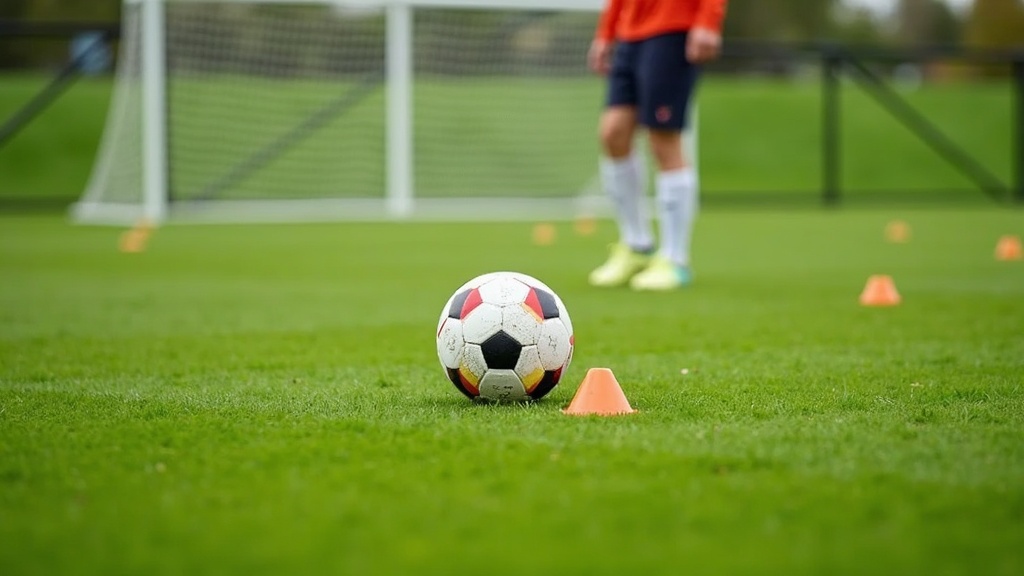
Soccer players at any level know how important a sharp first touch is, especially when the pressure is on. A reliable first touch lets you keep possession, make space, and set up your next move without missing a beat. Building that kind of control takes smart training, and there are plenty of drills designed to help players handle the ball confidently. Even when opponents try to close you down, these drills stand up under pressure. All the drills I’m sharing here come straight from years of experience on the training pitch, so you can count on them making a real difference in game situations.
Affiliate Disclosure: This article contains affiliate links. As an Amazon Associate, I may earn from qualifying purchases at no extra cost to you. I only recommend soccer gear that can genuinely help improve speed, comfort, and performance on the field.
Why Building First Touch Under Pressure Matters in Soccer
A controlled first touch makes a huge impact in soccer. It gives you the split second needed to decide where and how to play next. That means you’re not scrambling or letting the ball bounce away. High-pressure moments, like when a defender is right on your back, can make even simple touches a lot tougher. That’s why I’ve seen coaches put a big focus on drills that mix control with real-time pressure in every session.
Modern soccer moves fast. Players who handle pressure well have way more options on the field, and always keep their teams moving forward. They’re less likely to lose the ball and more likely to set up those all-important passes or shots. If you want to play at a high level, practicing your first touch under pressure is a game-changer, and it will make every aspect of your play more effective when opponents step up their game.
Soccer Drills to Improve First Touch Under Pressure
Training for first touch isn’t just about juggling or solo work. You need drills that bring in pace, defenders, and different angles, just like you’ll face in a real match. Here are some go-to exercises I’ve found super useful for getting used to pressure while keeping your touch sharp and your confidence high.
- Wall Pass and Pressure Drill: Pass the ball against a wall, control it, then quickly turn as a partner or coach applies pressure from various directions. This helps you react fast in every situation.
- 1v1 Close Quarters: Set up a small area, like a box or grid, and have a defender close in as soon as the ball is played in. Your goal is to control and shield the ball using a tight first touch, just like in a match when you have to hold off defenders.
- Bounce Pass with Defender: Station a server to bounce balls into you, while a defender rushes after each pass. Try to control, protect, and play out in just one or two touches, focusing on composure and awareness.
- Triangle Receiving Drill: Three players pass and move in a triangle. A defender applies light pressure. The receiver focuses on cushioned touches and quick decisions while turning away from pressure—perfect for simulating match pressure in a controlled way.
- Pressure Box Drill: Two attackers inside a small grid keep possession with one-touch or two-touch play, while a defender tries to break it up. This keeps everyone’s touches quick and controlled, and simulates real match intensity.
Mixing these drills into your routine makes it much easier to transfer those skills to matches, where unpredictability and pressure are always in play. Remember, the more you practice under controlled pressure, the more prepared you’ll feel during actual games.
Tips for Getting Started with Pressure-Focused Touch Drills
It might be tempting to jump into tough drills right off the bat, but a little structure helps you get more out of each session. When I coach or train with others, I usually break things down like this:
- Start Simple: Begin with light pressure or solo wall work, then add defenders as you get comfortable. Ease your way in, and don’t rush.
- Stay Consistent: Sprinkle these drills into every training session, because repetition really helps you lock in the muscle memory you’ll need on the field.
- Vary the Pressure: Train with defenders who both go easy and go all out. That variety gives your confidence a boost and helps you adjust to all types of competition.
- Mix Touch Counts: Practice both one-touch and two-touch situations, so you’re ready for whatever comes your way.
- Use Both Feet: The most unpredictable players can handle pressure with either foot. Split your reps evenly, and don’t neglect your weaker side.
Adding a competitive element, like timing yourself or challenging teammates, can also kick your focus up a notch. Mix in quick mental tasks for added challenge, like calling out numbers or colors as you receive the ball, to practice reacting to game-like distractions. These small tweaks keep each drill lively and your mind sharp.
Common Challenges and How to Tackle Them
Pressure-based drills aren’t always smooth sailing. I’ve heard plenty of players say they struggle to keep the ball close when someone’s always poking or nudging them. Here’s what’s usually going on and how to improve:
- Heavy First Touch: Focus on softening your foot when you receive the ball. Using the inside, sole, or even the outside of your foot gets you a cushioned touch—practice it until it feels natural.
- Feeling Rushed: If you freeze when a defender charges, count out a rhythm (“one, two”) as the ball comes in. This keeps your actions steady, so you react calmly under pressure.
- Backing Away from Pressure: Practice receiving with your back to the defender. Use your body to shield the ball, buying time to make a decision, rather than giving up space.
- Getting Frustrated: If you get frustrated, know that control under pressure takes tons of practice, not just a few sessions. Frustration is normal—it fades with steady reps and persistence.
Softening Your First Touch
Kicking the ball too far away is one of the most common mistakes. I’ve found that exaggerating your “soft touch” during drills can make a big difference. For example, aim for the ball to stop right at your toes every time you receive a pass. This habit will pay off in matches, making your touches more controlled and predictable.
Staying Composed
Pressure makes many players tense up and lose focus. Try to breathe out as you receive the ball—this little bit of calmness can help you stay relaxed, especially when defenders are closing in fast. Staying cool under pressure is just as important as technique.
Advanced Drills and Tweaks for Game Situations
Once basic drills start feeling easy, adding layers of complexity keeps your development on track. I like to add game-like tweaks, such as timed attacks, more aggressive defenders, or small rewards for creative moves. Here are a handful of advanced ideas that will keep you on your toes and always improving:
Pass, Move, Pressure Relay: Organize a quick rotation with multiple passers and defenders. As each new ball is played in, a different defender applies pressure from unpredictable angles. This randomness is great for simulating game-day chaos.
Tight Space Throw-Ins: Practice receiving tough, high or bouncing throw-ins in a small area, with immediate pressure. This is perfect for players who handle lots of sideline restarts or wing play.
Two-Ball Chaos Drill: Have two balls played into your grid at staggered times, forcing you to switch focus and direction while dealing with pressure. This keeps your reaction sharp and your first touch steady, no matter what comes your way.
Recommended Gear for First Touch Training
Using the right training equipment can seriously improve your ball control, reaction speed, and confidence under pressure. Here are some beginner-friendly tools worth adding to your soccer training routine:
⚽ Soccer Rebounder Net – Perfect for practicing first touch, passing, volleys, and ball control during solo sessions.
👉 Check Soccer Rebounder Nets on Amazon
⚽ Training Cones – Great for setting up tight control drills, pressure boxes, and movement exercises.
👉 View Soccer Training Cones on Amazon
⚽ Agility Ladder – Helps improve foot speed, balance, coordination, and quick reactions under pressure.
👉 Shop Agility Ladders on Amazon
⚽ Weighted Training Soccer Ball – Excellent for improving touch, ball control, and passing strength.
👉 See Weighted Soccer Balls on Amazon
⚽ Resistance Bands – Useful for building strength, balance, and explosiveness during soccer workouts.
👉 Check Resistance Bands on Amazon
⚽ Size 5 Match Soccer Ball – A quality soccer ball makes a huge difference when practicing first touch drills consistently.
👉 View Soccer Balls on Amazon
Even just a plain wall and a soccer ball are enough to get you started. With these homegrown setups and a little creativity, you’ll be ready to jump into more advanced drills whenever you want to up the challenge.
How These Drills Transfer to Real Games
Players who work pressure drills into their normal training routines look a lot calmer in tough matches. Their touches stay consistent, they don’t panic, and they make decisions faster. These little details add up during tight games—keeping possession when it counts or setting up that crucial play for a teammate.
- Midfielders keep control in the busiest part of the field, giving their team a big advantage.
- Defenders become much more comfortable playing out from the back, even under intense pressure.
- Forwards deal better with close marking and can set up cleaner shots on goal, raising their threat level.
First touch under pressure isn’t just a technical skill; it also helps you build composure and awareness, letting you stay a couple steps ahead throughout the match. As your physical skills get sharper, your mental toughness improves, too—helping you make high-quality decisions under stress.
Frequently Asked Questions
How can I practice first touch if I mostly train alone?
Try using a wall or rebounder net. Mix up how you pass against the wall: hard, soft, low, or high, and try to control each return as softly as possible. When that feels easy, work on turning as you receive, pretending a defender is there.
What’s the best way to add pressure if I don’t have defenders to train with?
Use limited touches (one or two touches only) or set up a small box with cones. Time yourself so you control and pass quickly, or try recording your practice sessions and review them, challenging yourself to beat your own pace. You can also add distractions, like bouncing the ball between passes or calling out numbers that appear on cones before your first touch, to keep your mind active.
Is it better to focus on one foot at a time?
You might start out feeling more reliable on one foot, but always split reps evenly. Over time, your weaker foot will improve a lot, and you’ll be a tougher player to defend against.
Ready to improve your first touch and stay calm under pressure?
Improving your first touch under pressure is totally within reach if you use focused, game-like drills. Blending basic and advanced exercises keeps training fresh, and lots of reps under real pressure build the kind of calm and control you need when every second matters. Once you put these drills into your usual routine, you’ll notice yourself playing with more confidence each time you step onto the pitch.
Give these drills a try and see how your touch and confidence start to grow, especially when the pressure ramps up. Stick with it, and you’ll see how these small changes make the biggest difference when it counts most.
👉 Shop the Best Soccer Training Gear on Amazon and Start Training Like a Pro Today!