
Soccer has a way of bringing people together like few other sports do. Whether you’re out there on a dusty pitch with friends or watching your favorite team compete in a packed stadium, there’s something special about the game that makes it easy to love. Even so, playing at your best isn’t just about kicking the ball around; a little bit of expert guidance can make your whole soccer experience a lot more enjoyable and rewarding. I’ve picked up some pretty handy tips over the years that can help you improve your technique, make smarter decisions on the field, and have more fun with the sport.
This article contains affiliate links. This means I may earn a small commission if you click and make a purchase, at no extra cost to you. I only recommend products that I believe will genuinely help improve your soccer training and performance.
Getting to Know the Basics: Soccer Fundamentals Everyone Should Master
People sometimes overlook the basics of soccer, but these building blocks are what really set the best players apart from the rest. From learning how to control the ball to understanding where to be on the field, getting comfortable with the fundamentals is the quickest way to see progress in your game.
Soccer’s simple rules make it easy to start, but the details matter a lot. Passing, dribbling, and shooting sound straightforward, but getting them right takes practice and a bit of patience. Most experienced coaches will tell you that spending time on the basics is still one of the best ways to get ahead.
- First Touch: Your first contact with the ball can decide whether you keep possession or lose it. Work on getting your feet (or sometimes even your chest or thighs) ready to cushion and control the ball quickly.
- Short Passing: Being able to pass accurately with both feet, over short and medium distances, keeps your team moving and makes you a reliable teammate.
- Movement Off the Ball: Staying active and making smart runs (even when nobody’s watching) helps your team keep shape and find new opportunities.
Kickstarting Your Soccer Skills: Easy Steps for Beginners
Jumping into soccer doesn’t require fancy training or a full kit to start getting better. Small changes to how you practice can have a big effect on your development over time. Here’s a practical blueprint for new players looking to build their confidence and competence on the field:
- Find a Comfortable Pair of Soccer Shoes: Even for the casual player, shoes that fit well help you move naturally and strike the ball with better accuracy.
- Learn Basic Ball Control: Juggling or dribbling around objects in your backyard is good for your touch and helps you get a feel for the ball.
- Get into Playing Shape: Soccer involves a lot of running, so any sort of exercise that builds stamina and agility gives you an edge.
- Practice with Friends: Pickup games are a great way to learn game sense, like when to pass, when to dribble, and how to work as a team.
- Watch the Pros: Following professional matches and paying attention to how players move can teach you a ton, even when you’re off the field.
Things to Think About Before Jumping Into Competitive Play
Getting serious about soccer, whether that means joining a local league or just wanting to step up your weekend game, does come with a few things to think about. Here are a few practical areas where a little planning or know-how is really important:
- Fitness: Soccer games can be long and demanding. Building endurance and flexibility makes a big difference in performance and injury prevention.
- Injury Prevention: Dynamic warm ups, stretching, and cooling down properly can make you less likely to pick up injuries like sprains or muscle pulls.
- Footwear and Gear: Using the right cleats for your field type (firm, soft, or artificial ground) can prevent slips or falls, while shin guards protect against knocks and kicks.
- Understanding the Rules: New players often get tripped up by offside calls or handling rules. Reviewing the basics before joining competitive games saves a lot of confusion.
Fitness and Conditioning
Soccer isn’t just about ball skills. Running, quick direction changes, and short bursts of sprinting are almost constant. Including cardio workouts, ladder drills, and plyometrics into your regular routine can give you the boost you need to keep up throughout a full match. In addition, try adding some interval training and bodyweight exercises to strengthen your overall athleticism, making you more well-rounded on the field and more resilient against fatigue.
Injury Prevention
Ankles, knees, and hamstrings are pretty common trouble spots for soccer players. Adding exercises that strengthen these areas and focusing on technique during practice help keep you in the game longer. Ice packs, foam rolling, and rest days are underrated but super useful in recovery. Listening to your body and not pushing through pain is essential; catching problems early prevents long layoffs.
The Right Gear
Even if you’re just starting out, getting a reliable pair of cleats and a comfortable set of shin guards is worth it. For goalies, gloves with good padding are super important, and outfield players should consider moisturewicking socks and shorts to avoid blisters. Don’t forget to pick up a decent soccer ball suitable for the surface you’re playing on—different pitches can affect ball movement and touch, so practicing with the right ball will help you make progress faster.
Understanding the Rules
Online resources like FIFA’s Laws of the Game or simple video explainers help clear things up for rules like offside, throw in technique, and fouls. Knowing what refs look for can help you avoid silly penalties that kill momentum. Also, try discussing tactics and situations with more experienced players; real life scenarios are often the best way to really get a sense of the rules in action.
Getting these aspects sorted at the beginning means you’ll feel more confident and focused when you play in a real match. A good foundation paves the way for growth—not only will you reduce the risk of injuries, but you’ll also enjoy yourself more each time you step onto the field.
Advanced Moves and Techniques
Once you’ve got the core skills down, experimenting with some higher level techniques keeps the game fresh and helps you stand out. Here are a few ideas that have worked for me and others who wanted to go beyond the basics:
Master Dribbling Under Pressure: Using feints, quick turns, and changes in speed helps beat defenders and create scoring chances. Practice with a partner putting active pressure on you for a real game feeling.
Build Up Passing Range: Learning how to use the inside, outside, and even the laces of your foot helps keep the other team guessing. Long diagonal balls open up tons of space for your teammates.
Shoot with Both Feet: Having a reliable weaker foot means you’re twice as likely to finish off chances, no matter where you are in the box. Spend some time each practice session working on weak foot finishing, even if it feels awkward at first; improvement will come over time.
Defensive Positioning: For defenders, knowing when to stand your ground versus stepping into a challenge makes a huge difference. Shadowing attackers and predicting passing lanes disrupts the opposition’s flow. Practicing situational defending with teammates, like two on one or one on one drills, can give you practical experience and make game situations less intimidating.
Working these techniques into regular practice can really shake up your skillset and make you a more complete player. Don’t be afraid to try new moves and keep learning from mistakes—the best players keep adjusting and learning as they play.
Picking the Best Gear for Your Level
Your performance in soccer can really get a lift from the right gear; there’s no need to splash out on what the pros use, but having some well made basics makes a world of difference. A few items that I recommend looking into as you get more serious:
- Firm or Turf Cleats: Choose depending on the surface you play on most. Firm ground cleats work well on most natural grass while turf shoes are perfect for artificial pitches. Wearing proper cleats improves your footing and helps avoid slips.👟 Soccer Cleats (Better Grip & Control)
- Shin Guards: Lightweight and snug fitting guards that don’t move around keep you protected without getting in your way.🦵 Shin Guards (Protection During Play)
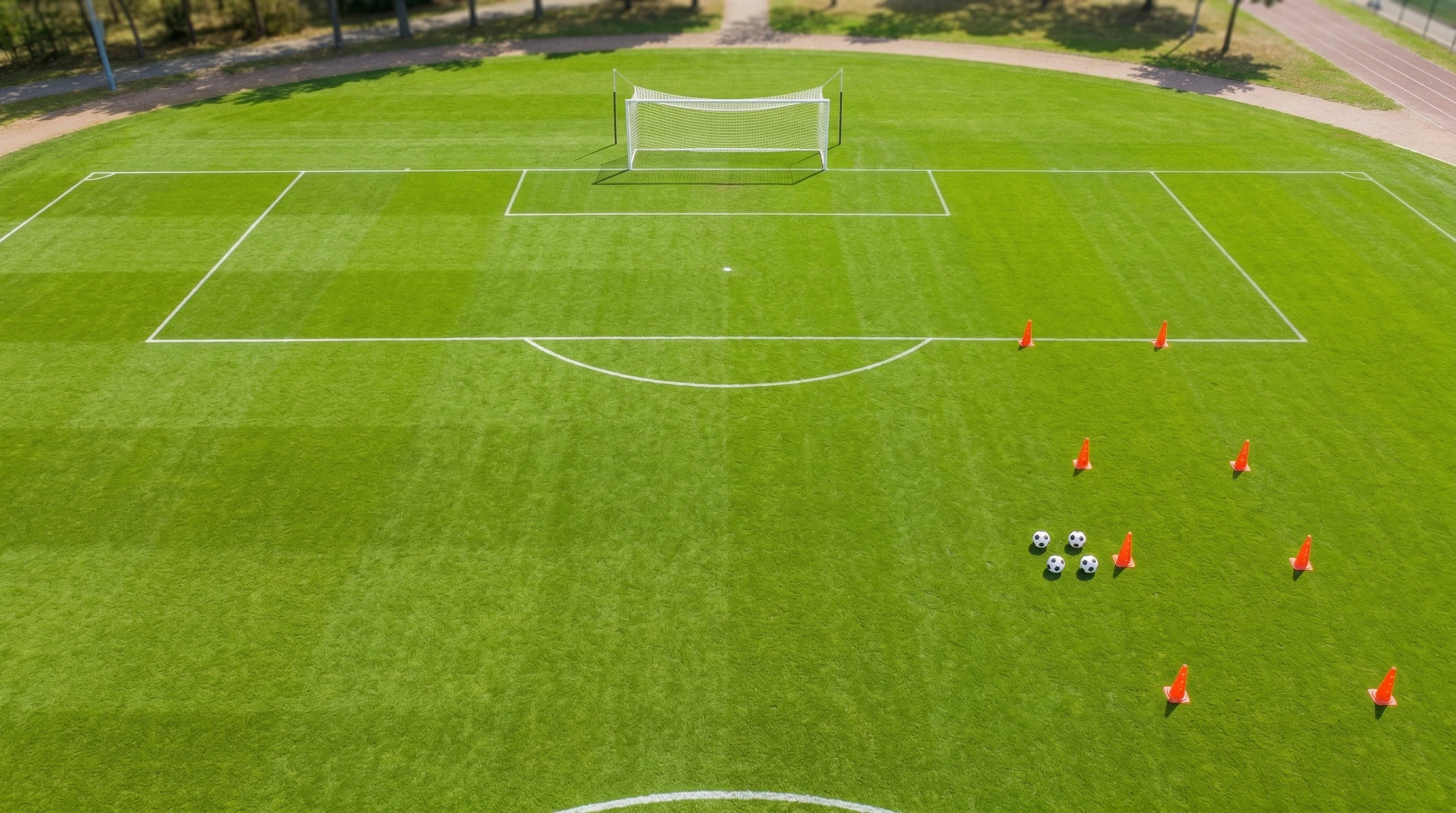
- Training Cones and Markers: Handy for solo training sessions or informal drills, these help organize small sided games and focus your movement and passing accuracy. Setting up different shaped drills will let you mix things up and keep practices interesting and effective. Training Cones Set (Dribbling & Agility Drills) check for price
Having a backup jersey, water bottle, and some athletic tape can also keep your gameday problems to a minimum. Trusted brands and sporting goods shops offer plenty of options, so it’s worth asking teammates or coaches for their favorites. Try out a few different types of gear when possible, because sometimes comfort comes down to personal preference, and one small change could make a big difference in how you play.
Frequently Asked Questions
Players new and old run into the same set of questions all the time, so I’ve rounded up a few of the ones I get most often:
Question: How do I get better at dribbling?
Answer: Practice regular, focused drills, like weaving through cones or playing one on one games with friends, while keeping your head up as much as possible. Try mimicking moves you’ve seen in pro matches, and don’t forget to change pace and direction often.
Question: What is the best way to work on shooting accuracy?
Answer: Use a wall, net, or target markers to consistently train different types of shots with both feet. Start with placement before trying to add power. Over time, increase your range and speed to make your shooting style more unpredictable.
Question: How often should I practice as a beginner?
Answer: Even two or three times per week makes a real difference if you focus on one or two areas each session. Little and often keeps things fun without wearing you out. Make sure to rest and not overdo it—progress comes with steady effort and regular breaks.
Putting It All Together for Soccer Success
Stepping up your soccer skills is about taking small, regular steps and not getting discouraged by setbacks. The basics set up everything else, smart habits stop you from getting hurt, and the right gear helps you play more comfortably. Teamwork, practice, and open mindedness go a long way. Keep an eye on what’s happening around you, listen to feedback, and remember to actually enjoy the process. Soccer isn’t just about winning; it’s a chance to challenge yourself, make friends, and have a blast doing it. Keeping a positive attitude and committing to lifelong learning will help you grow into a player who really stands out.
If you’re serious about improving your soccer skills:
👉 Focus on the basics
👉 Train consistently
👉 Use the right gear
⚽ Ready to take your game to the next level?
👉 Check out beginner-friendly soccer gear here