
If you’re coaching soccer, training your team to master buildup play can completely change the way they perform. It’s not just about pinging long balls upfield. Effective buildup play teaches players how to move the ball with purpose, progress under pressure, and create goal-scoring chances as a unit. I want to break down what buildup play is all about, why coaches should care, and offer you actionable drills you’ll actually want to use on your field.
Understanding Buildup Play in Modern Soccer
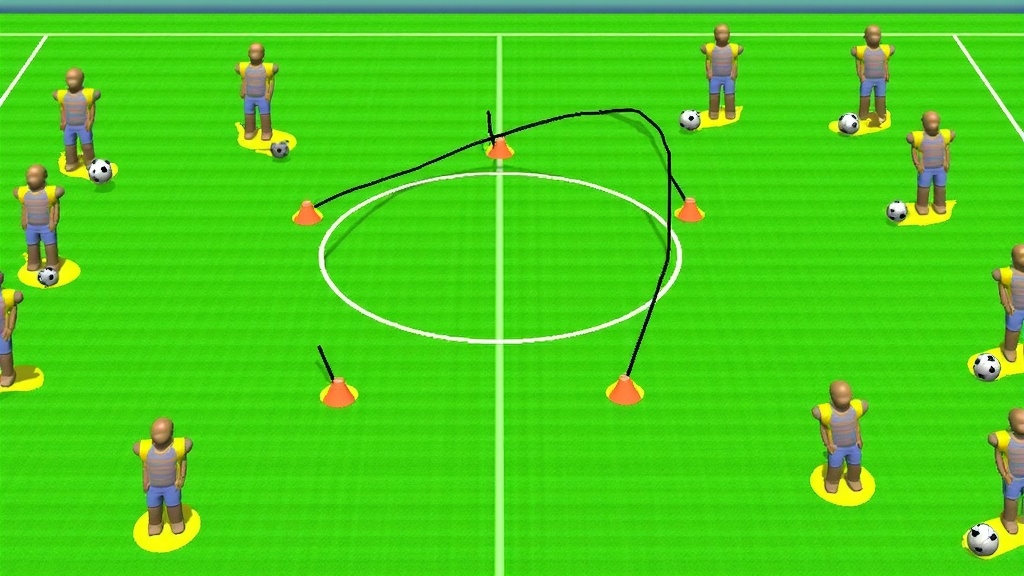
Buildup play is the way teams organize and progress the ball from their defensive third into attacking positions, usually starting with the goalkeeper or center backs. It’s about patience and precision, moving the ball to draw out defenders and find gaps. Modern soccer rewards teams that can beat a press and keep possession while building from the back.
This approach helps teams control the tempo, limit turnovers, and create higher percentage chances. Even at youth and grassroots levels, working on buildup play improves technical skills, communication, and tactical awareness. Teams that learn these concepts early often see better long-term development in their players.
Why Coaches Should Invest in Buildup Play Training
Coaching buildup play benefits your team beyond just passing and possession. Here’s what I’ve seen:
- Better Decision-Making: Players learn to choose the right option under pressure.
- Player Confidence: Kids get more confident receiving and playing out of tight spaces.
- Organization: Players understand their positional roles and how to react to pressing opponents.
- Game Control: Your team starts controlling games instead of chasing them.
If you’re aiming for a structured, attractive style of play, practicing buildup drills makes a big difference. You’ll notice your team holding onto the ball more, connecting passes, and looking far less rushed in possession.
Core Principles of Buildup Play
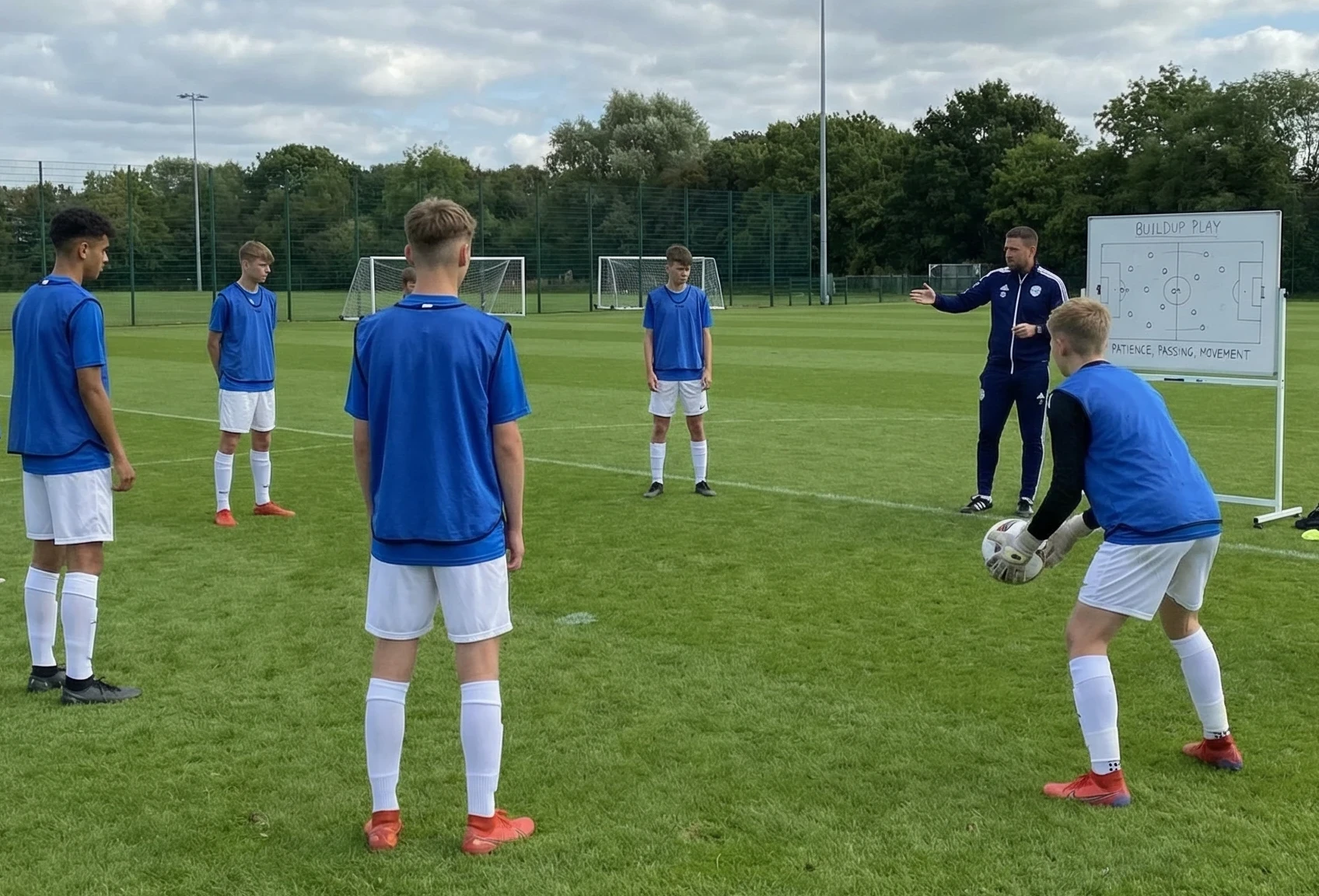
Before jumping into drills, a quick rundown of the main principles helps give your training sessions focus. Here are four basics every coach needs to instill:
- Spacing: Players need to provide support zones at different angles and distances.
- Patience: Rushing the ball forward often leads to turnovers. Teams must be comfortable passing back as much as forward.
- Movement Off the Ball: Supporting players should constantly shift to create passing lanes and help the ball-carrier.
- Press Resistance: Teams must stay calm and use quick combinations when pressed, rather than panicking long.
Focusing your instruction on these basics helps players understand not just the drills, but why you’re running them in the first place.
Top Buildup Play Drills for Coaches
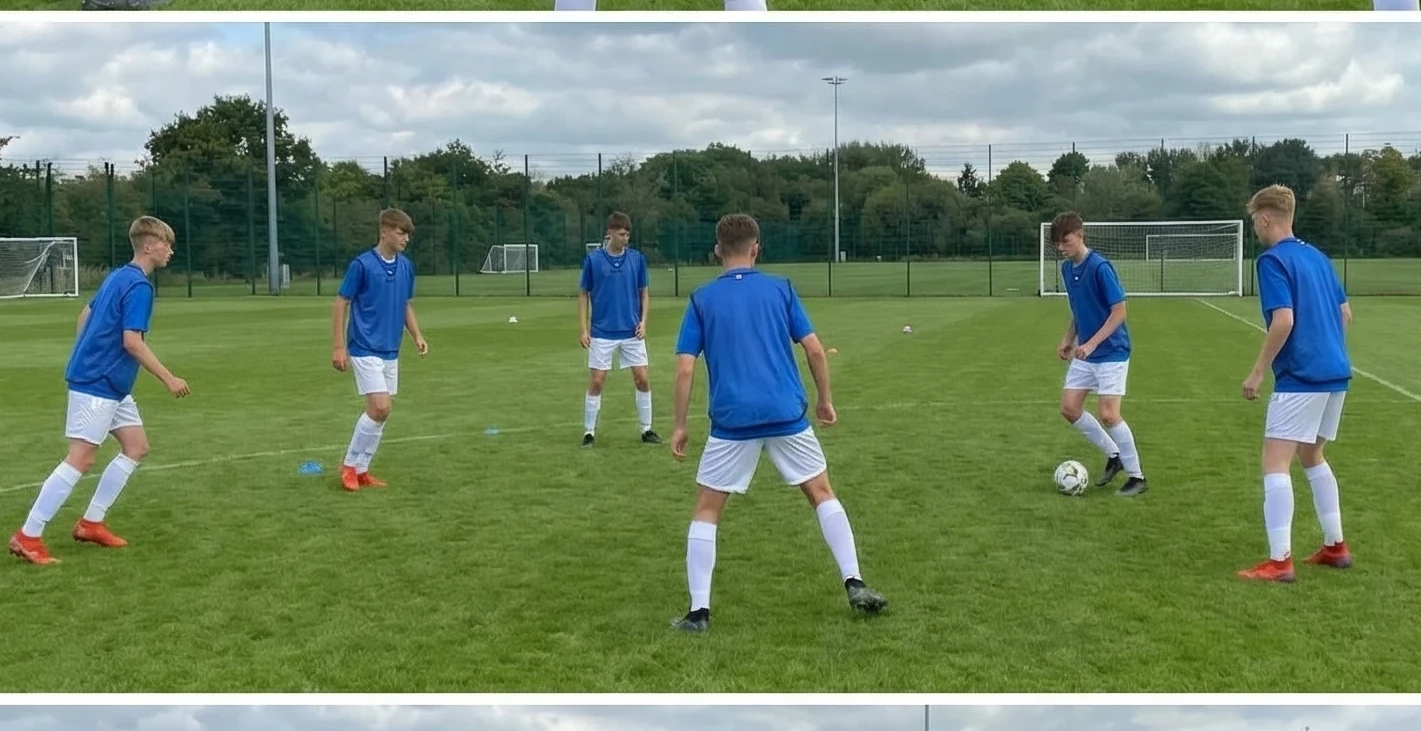
The best drills are userfriendly, repeatable, and can be tweaked for different age groups and skill levels. Here are some proven activities I’ve used, with explanations on how and why they work. You can find even more buildup exercises at SoccerTutor.com, which I highly recommend if you’re serious about structured training.
1. Passing Diamonds
Setup: Mark out a diamond with cones, about 10-15 meters apart. Place 3-4 players at each cone.
How it Works: The ball starts at the base. Players pass and follow their pass to the next cone, working around the diamond. Emphasize sharp passing, two-touch play, and communication. Progress by rotating the middle and adding defenders for pressure.
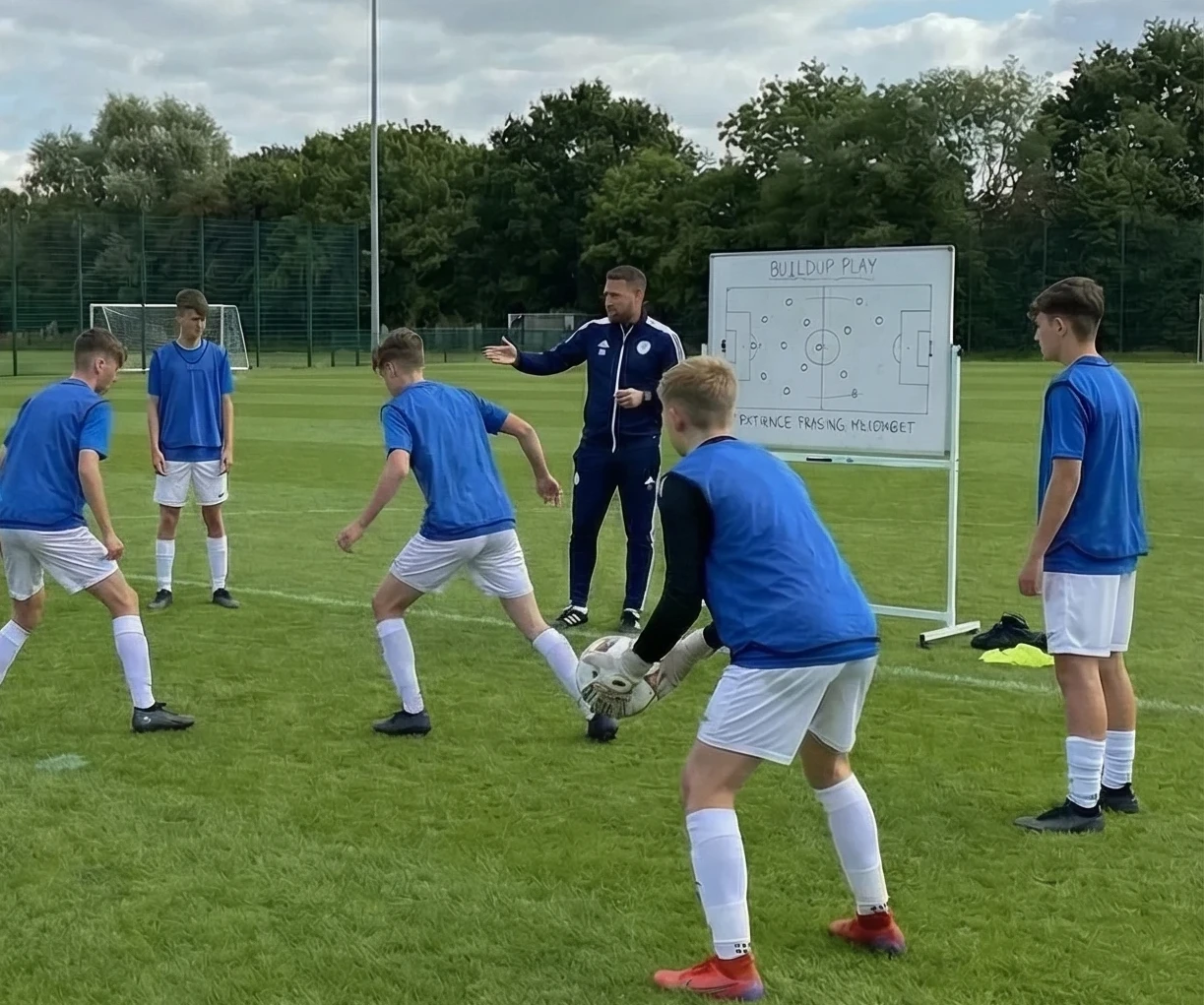
Why I Like It: This drill teaches players to open body position, scan, and receive under light pressure. It’s simple to set up and ideal as a warm-up for any session focused on playing out from the back.
2. Buildup Through the Thirds (7v4 or 6v3 Rondo Style)
Setup: Create a grid split into three horizontal zones (defensive, middle, attacking third). One team has 7 (or 6) attackers, and the pressers have 4 (or 3) defenders.
How it Works: The possession team starts in their defensive third attempting to pass and shift their way through the zones into the attacking third. Defenders apply pressure and try to win the ball back. Rotate teams so everyone gets a chance to press and possess.
Coaching Points: Look for players using the goalkeeper as an extra outfield player, recognizing when to play short or long, spreading out to stretch the pressing team, and staying patient under pressure.
3. 4v2+G in the Back Third
Setup: Use the penalty box area. Play 4 defenders plus the goalkeeper against 2 pressing attackers.
How it Works: The defenders and keeper move the ball side to side, aiming to play out past minigoals or small gates at the edge of the box. The pressers try to intercept and score. Rotate pressers after 1-2 minutes of high-intensity defending.
Why Coaches Like This: Forces defenders to work on passing angles, quick decisions, and using the keeper as a free player. Under realistic match pressure, players build trust and composure.
4. Full Team Buildup vs. Press
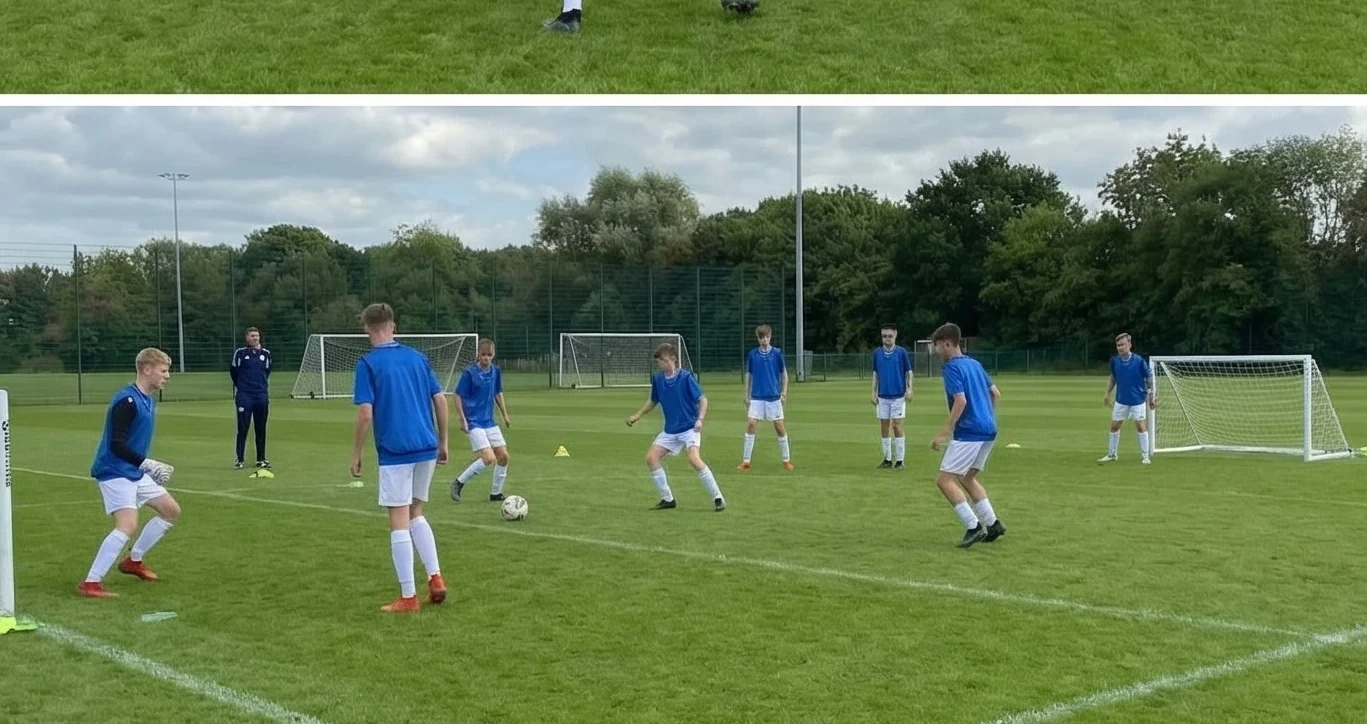
Setup: Set up a game with your full team: defenders, midfielders, and attackers. The opposition sets up to press high.
How it Works: Start with goal kicks or throw ins. Defenders look to play through, around, or over the opposition’s press, looking for ways to break into midfield with controlled possession.
Coaching Tips: Pause play to highlight when players are too close, not supporting, or missing obvious outlets. Encourage switching the ball and looking for wide outlets.
5. Split Grid Buildup Pattern Play
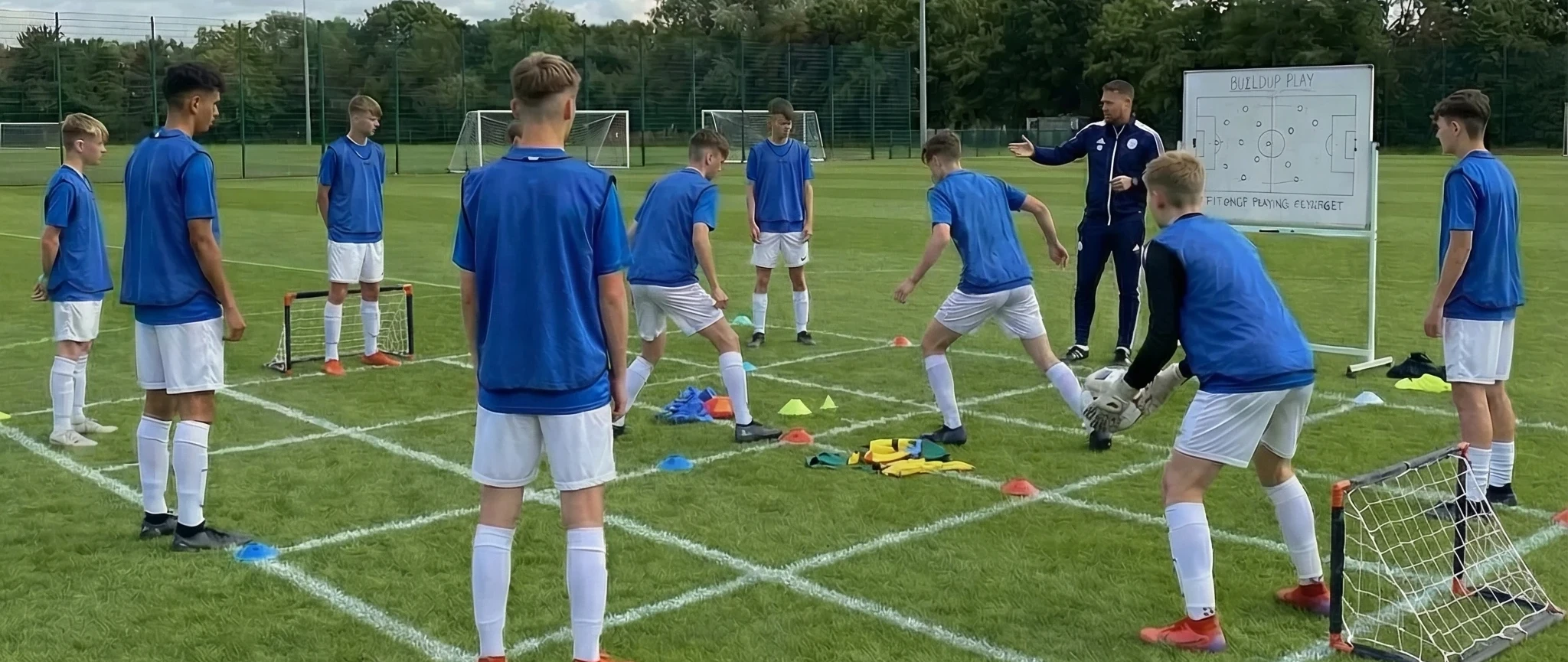
Setup: Set up two or three “lanes” across half the field. Each group works in their lane, starting with defenders and a keeper at one end, midfielders in the middle, and attackers at the top.
How it Works: Defenders work the ball out from the back, combine with midfielders, then play into attackers who finish in minigoals. Rotate players so everyone gets reps at different phases.
How This Helps: Players drill the pattern of moving the ball through zones under limited defensive pressure, reinforcing shape and options for each buildup phase.
Breaking Down Common Buildup Play Problems (and How to Fix Them)
Even well-drilled teams can struggle to play out from the back under real game pressure. Here are some issues I’ve run into and how you can address them at practice:
- Panic Under Pressure: Use small number rondos to get players used to coping in tight spaces. Remind them passing backward is fine if it keeps possession.
- Clumsy Passing: Sharpen basic technical skills with repetition. Make sure passing drills include game like movement and pressure.
- Poor Communication: Give players simple verbal cues and encourage constant talking, like “turn,” “man on,” or “switch.” You can even add this as a requirement before the next pass.
- Positioning Mistakes: Use freeze moments in game drills to show where options did or didn’t appear. Visualizing mistakes as a team builds understanding fast.
Solving these issues is about consistent practice, not just telling kids what they did wrong. Drills focused on decision-making and teamwork make a huge difference.
Modifying Drills for Skill Levels and Ages
Younger kids or beginner groups probably won’t handle high level pressing drills right away. For new players:
- Use lots of touches without pressure, gradually add defenders as skills improve.
- Start in smaller, more controlled spaces before moving to half or full pitch buildup scenarios.
- Rotate positions often so everyone understands each role in the buildup phase.
For older or advanced players, raise the intensity by adding more defenders, reducing touch limits, or shrinking zones. If you’re coaching teens aiming for competitive play, challenge them to play out from the back under full speed press, and give immediate video feedback if possible.
How to Coach Buildup Concepts During Games
Training drills set the foundation, but your real challenge is helping players transfer concepts into live games. Here’s how I approach coaching buildup during competitive matches:
- Keep your halftime or sideline feedback focused on shape, spacing, and support options, rather than just the result of each pass.
- Encourage players to look for quick combinations or switch play when pressed.
- Highlight positive attempts to build through the thirds, even if the result isn’t perfect. Confidence grows through support, not criticism.
- Use set pieces (like goal kicks or throw ins) as teaching moments, reminding the team about shape and support before resuming play.
Players adapt fastest when they know you value the process, not just the outcome. Small wins, like breaking a press or keeping the ball moving under pressure, should be recognized every week.
Extra Resources for Buildup Coaching
If you want more ideas, diagrams, and professional-level session plans for buildup play, I suggest checking out SoccerTutor.com. They offer some of the most super detailed and practical e-books and videos out there, and they’re worth bookmarking for any coach looking for more structure in their training week.
For inspiration on how top teams train and play, I look at clips from Manchester City, Barcelona, and Bayern Munich. They all do a fantastic job at breaking down well organized defensive blocks using patient, disciplined buildup. Watching short analysis videos or reading breakdowns of their tactical patterns can offer you fresh ideas for your next session.
If you’re searching for community insight, connect with other coaches on online forums and groups. Many share their favorite buildup drills, problem-solving tips, and ways to gamify sessions for better engagement. This ongoing exchange will lift up your own coaching and provide encouragement during tough development spells.
Frequently Asked Questions
Coaches always ask some of the same questions when it comes to buildup play, so here are a few I hear most often:
How do I keep my players from panicking under pressure when playing out?
Spend time in every session on passing under pressure. Use small sided rondos or 3v1 drills, and praise them for choosing to recycle play rather than forcing risky long passes.
What formation works best for buildup play?
Most modern shapes (like 4-3-3, 4-2-3-1, or 3-5-2) provide good support for playing out from the back. The real difference is training your team to move as a unit and recognizing which passing options are safest at any given moment.
How can I get defenders more comfortable using the goalkeeper?
Include your keeper as an active participant in any rondo or buildup pattern. Encourage them to use both feet, stay calm, and scan for options instead of just clearing long every time they’re pressed.
Are there age groups too young to start working on buildup play?
Even young teams (U9 and up) can learn basic concepts of spacing and support. Just keep the drills simple, with lots of encouragement and short games focused on ball retention.
Bringing It All Together
Teaching buildup play takes time and patience, but it always pays off for coaches willing to stick with it. Teams get more comfortable in possession, players learn to make smarter decisions, and games become much more enjoyable for everyone involved. Investing in these training habits will show real results on game day and help your players develop key skills that last across every level of soccer they play.
If you want to keep growing as a coach or get more free session plans, it’s worth checking out SoccerTutor.com for fresh drills and tactical tips.