If you play soccer, you know how important the right pair of cleats can be. Whether you’re darting past defenders or making quick turns in the midfield, your footwear has a huge impact on your speed and agility. But with so many options out there, picking cleats that match your style and needs isn’t always straightforward.
I’ve spent years playing on different fields, from firm natural grass to slippery artificial turf, and testing out plenty of cleat models. The right soccer cleats make acceleration feel smoother and those tight direction changes less risky on your joints. On the flip side, a poor choice can slow your game down or, even worse, cause injuries.
This guide breaks down what makes soccer cleats speedy and agile, checks out the main types, and gives advice on finding that perfect match for your playing style, foot shape, and field conditions. If you’re searching for a boost in your game, read on for key insights and practical buying tips.
Affiliate Disclosure: This article contains affiliate links. As an Amazon Associate, I may earn from qualifying purchases at no extra cost to you. I only recommend soccer gear that can genuinely help improve speed, comfort, and performance on the field.
What Makes a Soccer Cleat Good for Speed and Agility?
A cleat made for speed and agility usually feels light, fits snug but comfortable, and comes with a soleplate designed for explosive movements. Players looking for that edge want cleats that almost feel like an extension of their foot. Here’s what I’ve noticed makes a difference:
- Lightweight construction: Less weight means less drag as you sprint. Most speed focused cleats use modern synthetic materials or lightweight knit uppers.
- Stud configuration: Modern soleplates often have a unique arrangement of studs meant to maximize traction for quick push-offs and sharp pivots.
- Responsive fit: A snug fit (not too tight, not too loose) creates better ball control and helps the shoe move precisely with your foot.
- Flexible material in the forefoot: Flexibility here helps with quick, small adjustments, which is a big plus when evading tackles or maneuvering past opponents.
Any player can benefit from these features, but they’re especially important for wingers, strikers, and attacking midfielders who rely on speed and directional changes. Defenders may focus more on sturdiness and toe protection but can still gain from lighter, well-designed shoes.
Main Types of Speed and Agility Soccer Cleats
Cleats for speed and agility come in a range of designs depending on performance needs and playing surface. Although lots of marketing language gets tossed around, most models fit into one of a few main groups:
Speed Cleats
These are the flashy, light shoes loved by pros and weekend warriors alike. Think Nike Mercurial ( View Nike Mercurial on Amazon) or Adidas X series. They’re built for sprints, breakaways, and one-on-one attacks. Here’s what you’ll usually notice:
- Minimal padding for lower weight
- Very thin upper material, sometimes with a textured surface for better control while dribbling at full speed
- Soleplates often have bladed or chevron shaped studs, designed for straightforward acceleration and reliable traction when pushing off
Speed cleats generally offer the most streamlined fit and a minimal sensation, ideal for players who prioritize quick acceleration and fast play.
Agility Cleats
While most speed cleats will help quick movers, some models focus extra on agility and multidirectional grip. PUMA Ultra (Shop Puma Ultra Cleats on Amazon )and Adidas Nemeziz lines used to be famous for this type of cleat. Features usually include:
- Slightly thicker upper for stability during change of direction
- Stud patterns that support lateral movements and sharp stops
- Wraparound or knitted collars to lock down your ankle without restricting movement
Players who prefer quick cuts, dribbling in tight spaces, and shifting their play direction rapidly can really benefit from these.
Hybrid Cleats
I’m seeing more brands mixing speed and agility together, especially as materials get thinner but stronger. These models, often labeled as “all-rounder” or “performance” cleats, try to balance a lightweight feel with a bit of extra support. They’re pretty handy for players who want a quick, versatile shoe without giving up comfort or stability.
Who Benefits Most from Speed & Agility Cleats?
- Wingers & Forwards: If you’re on the attack, every step and dodge matters. Light cleats help you explode forward and stay ahead of defenders.
- Attacking Midfielders: Agility cleats with responsive touch and stability let these players cut inside, shield the ball, and switch directions smoothly.
- Youth Players: While young players (usually under 12) don’t need super light “pro” models, kids who love running and dribbling can get a confidence boost from the right shoe.
- Quick Defenders: Some fullbacks who move up the field look for speed cleats to join attacks and recover defensively.
Essentially, any player looking to boost their footwork and quickness can make the most of speed and agility cleats, provided the fit matches their foot shape and playing surface.
Key Feature Comparisons
- Weight
Why It Matters: Light shoes just feel faster, especially in the second half when your legs get tired. Even a little bit less weight means you can dash a fraction quicker.
Top Picks: Nike Mercurial Vapor, Adidas X Speedflow
Things to Watch: Don’t go so light you lose protection. Some ultralight models can leave your foot feeling every stud or knock. Always check if the extra grams are worth a little more comfort. - Fit & Lockdown
Why It Matters: A cleat that feels glued to your foot means more confidence during sprints and stops.
Top Picks: PUMA Ultra (for its tight laceless fit), Adidas Nemeziz
Things to Watch: Try shoes on with your game socks. A fit that’s too tight will hurt, but too loose and you’ll slip around inside the cleat. - Soleplate & Stud Pattern
Why It Matters: Different surfaces (firm ground, artificial turf, soft ground) demand different soles. Agility is all about changing direction fast.
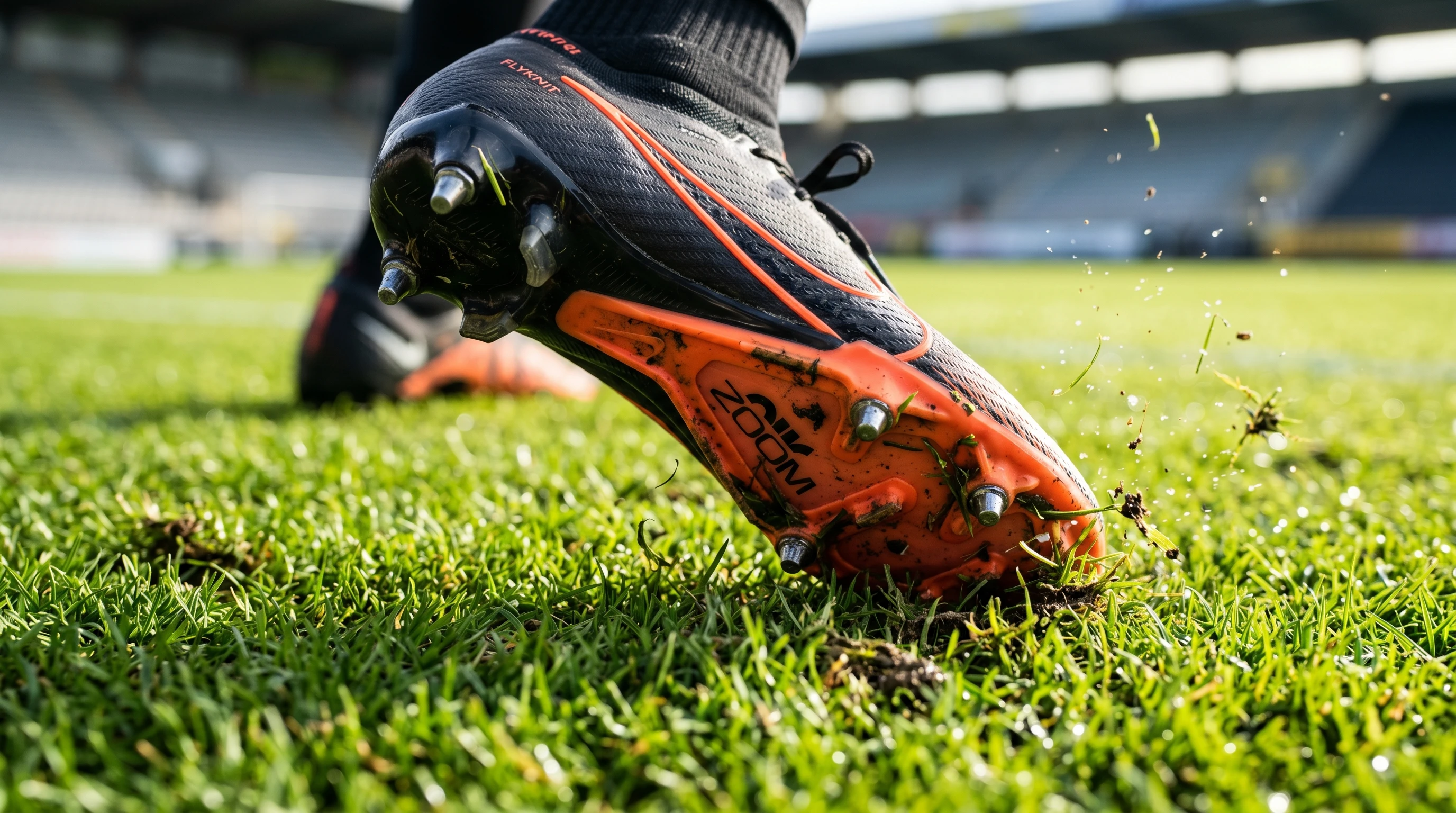
Top Picks: Nike Zoom Air plate (for explosive push-offs), Mizuno Morelia Neo
Things to Watch: Using the wrong soleplate on the wrong pitch often leads to slipping, or feeling stuck in place when you turn. Always match your cleat base to the conditions you play in most. - Upper Material & Touch
Why It Matters: A thin, textured upper is really handy for close ball control at high speeds.
Top Picks: Adidas Speedskin, Nike Flyknit
Things to Watch: Super thin uppers can sometimes wear out faster, especially if you’re playing a lot or on rough fields. Balancing feel with long-term durability is key.
Each feature has its trade-offs, and knowing what matters most for your play style makes it easier to pick a shoe you’ll love.
Popular Models Worth Checking Out
Nike Mercurial Series
These are classic speed cleats, and honestly, I see them on wingers in almost every league. The latest Mercurials are impressively light, offer a true barefoot feel, and come with a slick soleplate for that smooth lift off. If you want pure acceleration, these are worth a look.
Adidas X Range
Adidas has been dialing in their speed line for years. The X models focus on a stripped down design, big on comfort and lockdown. A flexible tongue and sharp traction pattern really come in handy for solo runs, dribbles, and breakaways. They’ve kept the boot light without giving up too much touch or structure. 👉 Check adidas X Speedportal on Amazon
PUMA Ultra
PUMA’s Ultra models find a nice middle ground for players who want both speed and a bit of comfort. The slip on style is comfy for narrower feet, and the carbon fiber soleplate really pops when you sprint. It’s a solid choice for agile movement without sacrificing all cushioning.
Mizuno Morelia Neo
If you like a classic leather shoe but want to keep things quick, Mizuno is worth a look. It’s got old school touch with a modern structure for speed and stability. The leather upper gives an amazing feel for the ball, and the build is surprisingly light for how durable it feels.
How to Choose the Best Cleats for Your Needs
- Know your surface: Always check if you’re mostly on firm natural grass, artificial turf, or soft ground. Each surface reacts differently to specific stud types and plate designs, affecting grip and comfort.
- Shape of your foot: Wide feet might prefer Mizuno or New Balance, while Nike cleats tend to run narrower. Always try before you buy when possible, so you can avoid pressure points or a sloppy fit.
- Check comfort over branding: Eye-catching colors and pro endorsements are nice, but comfort always wins out. Any pressure points during tryon won’t magically vanish in a match; in fact, they’ll get worse.
- Think about durability: Thinner often means less lifespan. If you play five times a week, you might swap a little bit of lightness for a shoe that lasts a good while. Pay attention to user reviews about long-term use for your favorite models.
Take the time to shop around and try on various models, especially if you have wide or narrow feet, since comfort can make or break your performance on the pitch.
User Insights and Reviews
- Nike Mercurial Users: I’ve heard players say these make a noticeable difference in their acceleration, but some say they feel a bit stiff at first, typically softening after a few uses.
- Adidas X Fans: Many love the lace less options for a locked-in feel and smooth control, though some wish the upper was a little sturdier on rougher surfaces.
- PUMA Ultra Reviews: Lots of positive comments on comfort, and many reviewers mention fewer blisters thanks to the soft heel construction. Longevity varies by playing conditions.
I always suggest checking out recent user reviews on sites like Soccer.com or Pro Direct Soccer for up to date feedback, since new versions can bring tweaks to the fit, materials, or stud shapes every year.
Value and Price Range
Speedy, hightech cleats can get pretty pricey; often $200 or more for the latest top shelf releases. There are midtier versions for most lines (like Nike Vapor Academy or Adidas X Speedportal.3) that offer much of the same performance at a more wallet-friendly price.
- Prolevel: $200–$300, ultralight and pro specs
- Midrange: $80–$150, a bit heavier but plenty quick for club and rec play
- Entrylevel: $40–$80, more durable and comfy, not quite as focused on max speed
I usually buy last year’s top model when it hits the clearance racks. It’s the same gamechanging tech, just at a way lower cost.
Should You Go for Laceless, Laced, or Collared Cleats?
This is a common question, and it actually makes a difference for speed and agility:
- Laceless: Clean striking surface and feels seamless, but doesn’t always give the tightest fit for all foot types.
- Laced: Classic for a reason. They’re easy to adjust on the go and let you tune the snugness wherever you need it most.
- Collared: Higher ankle collars look modern and, for some, help with fit and a sense of stability. However, a few players find them a little restrictive if they’re not used to more coverage.
My tip: Always try all styles with your soccer socks, do some quick sprints, and get a feel for which cut feels best for your body and play style.
Final Thoughts and Buying Tips
Soccer cleats built for speed and agility keep getting better as new tech and lighter materials pop up every year. Styles can mix in and out of popularity, but a few basics never change: aim for a pair that combines lightness, a locked-in fit, and reliable traction for your standard field. Comfort should always take priority; the best shoe is not necessarily the lightest or most heavily advertised, but the one that lets you play freely and think only about your next move.
Always take your new cleats through some training sessions before relying on them in a big match. Even the best pair needs a little adjustment time before everything fits like a glove.
Have a favorite model or an insider trick you picked up? Share it below—there’s plenty more to learn from others’ experiences in the world of soccer gear. Good luck finding your new favorite speed and agility cleats on and off the pitch!