Soccer cleats can make a real difference when it comes to speed training drills. The right pair not only helps you grip the turf but also boosts your confidence and lets you focus fully on quick moves and footwork. For anyone keen to get faster on the pitch, picking cleats designed for speed work is a smart move. I’m here to walk you through the main points, features, and important tips on picking soccer cleats specifically for speed training drills.
Affiliate Disclosure: This article contains affiliate links. As an Amazon Associate, I may earn from qualifying purchases at no extra cost to you. I only recommend soccer gear that can genuinely help improve speed, comfort, and performance on the field.
What Makes a Soccer Cleat Suitable for Speed Training?
Speed training is all about explosive movement. That includes sharp acceleration, quick cuts, and reliable grip for sprints. Cleats designed for speed usually combine lightweight materials, a snug fit, and carefully arranged studs that help give a boost to traction. These shoes keep things light underfoot and mold to your feet so you can really nail your acceleration and agility drills.
Soccer brands push innovation with lighter, tougher materials and improved stud designs. Some of the big names like Nike, Adidas, and Puma regularly update their lineups for players looking to gain that extra step. The major focus for speed training cleats is all about reducing bulk without losing support, so your feet feel free and nimble, not weighed down.
Soccer cleats have changed a lot since the days of heavy, chunky boots. Today, players expect shoes that almost disappear on their feet but still help them tackle any surface, from natural grass fields to synthetic training turf. This progress means you get both performance and comfort, especially when working through those tough speed circuits or shuttle runs.
Key Considerations Before Buying Cleats for Speed Training Drills
If your main goal is to get faster during drills and scrimmages, finding the right cleat setup is pretty important. Start by thinking about what surface you’ll mostly be training on. Grass fields, artificial turf, and indoor pitches each call for different soleplates and stud shapes. Here are a few things to keep in mind:
- Weight: Lightweight cleats help you accelerate quickly and reduce fatigue during repetitive speed drills.
- Fit: A snug, comfortable fit cuts down on internal slipping and blisters, keeping you locked in during sharp turns.
- Stud Pattern: Studs that grip but still release quickly help you move explosively without catching awkwardly and risking ankle rolls.
- Material: Many speed-focused cleats use superthin synthetic uppers or mesh for breathability and minimal weight.
Some cleats even come with special insoles and textured uppers to give a boost to your feel for the ball when you’re working on fast footwork and dribbling at pace. Taking some time to check these details saves headaches and sore feet down the line. Remember, the needs of a striker blasting past defenders might be a bit different from a midfielder constantly changing pace, so tailor your pick to your position too.
Quick Guide: Tips for Choosing Soccer Cleats for Speed Training Drills
If you’re shopping for cleats with speed and agility training in mind, here’s a step-by-step guide I find really helpful:
- Identify Your Main Training Surface: Turf, natural grass, or indoor —each affects your traction needs and stud flexibility.
- Try Before You Buy: Always get up and move around in cleats. Do a few short sprints and turns in the store to check for slippage or pressure points.
- Focus on Weight and Comfort: Go for a lightweight shoe that wraps close to your foot. Mesh or thin synthetic uppers often work best.
- Test the Stud Layout: Some drill circuits need unique stud patterns, like bladed or chevron shaped studs, for the best grip.
- Don’t Ignore Support: Even lightweight cleats need enough support for ankles and arches so you’re not risking injury.
Swapping between pairs for training and games is totally normal. Just make sure your regular speed cleats are broken in. This helps your feet adjust and reduces your chance of blisters or discomfort during intense drills. If your training involves a lot of change in direction, opt for cleats with multidirectional studs for extra stability and performance.
Common Challenges and Simple Solutions with Speed Cleats
- Heel Slippage: Some speed cleats can ride up or slide on your heel. Trying a slightly smaller size or using grip socks can manage this issue.
- Blisters and Hotspots: Fast movements put pressure on certain parts of your foot. Breaking in your cleats slowly, and using moisture wicking socks, helps cut down on friction.
- Traction on Wet Surfaces: Speed cleats often have shorter studs, which aren’t ideal for soggy grass. Having a pair with longer studs or designs labeled for wet conditions is worth it if your field is often slick.
- Durability: Because speed models use light materials, they may wear out a bit quicker. Rotating your training cleats or saving your speed pair for specific drills can stretch their lifespan.
Managing Heel Slippage
I’ve run into heel slippage quite a few times with narrow or new speed cleats. Adjusting lacing style, like using a “heel lock” lace, and combining the cleats with grippy, close fitting socks usually sorts this out. If nothing helps, it’s a sign to try a different brand or model.
Maintaining Traction Across Surfaces
Planning drills around weather and field surface is crucial. If you train across both turf and grass, keeping two different pairs—one for each surface—makes sense. Switching out insoles can also improve comfort and cushioning if you’re putting in lots of sprint work on hard surfaces. Remember, grip and speed can change as the studs wear down, so keep an eye on the condition of your cleats.
Performance Features to Look for in Soccer Cleats for Speed
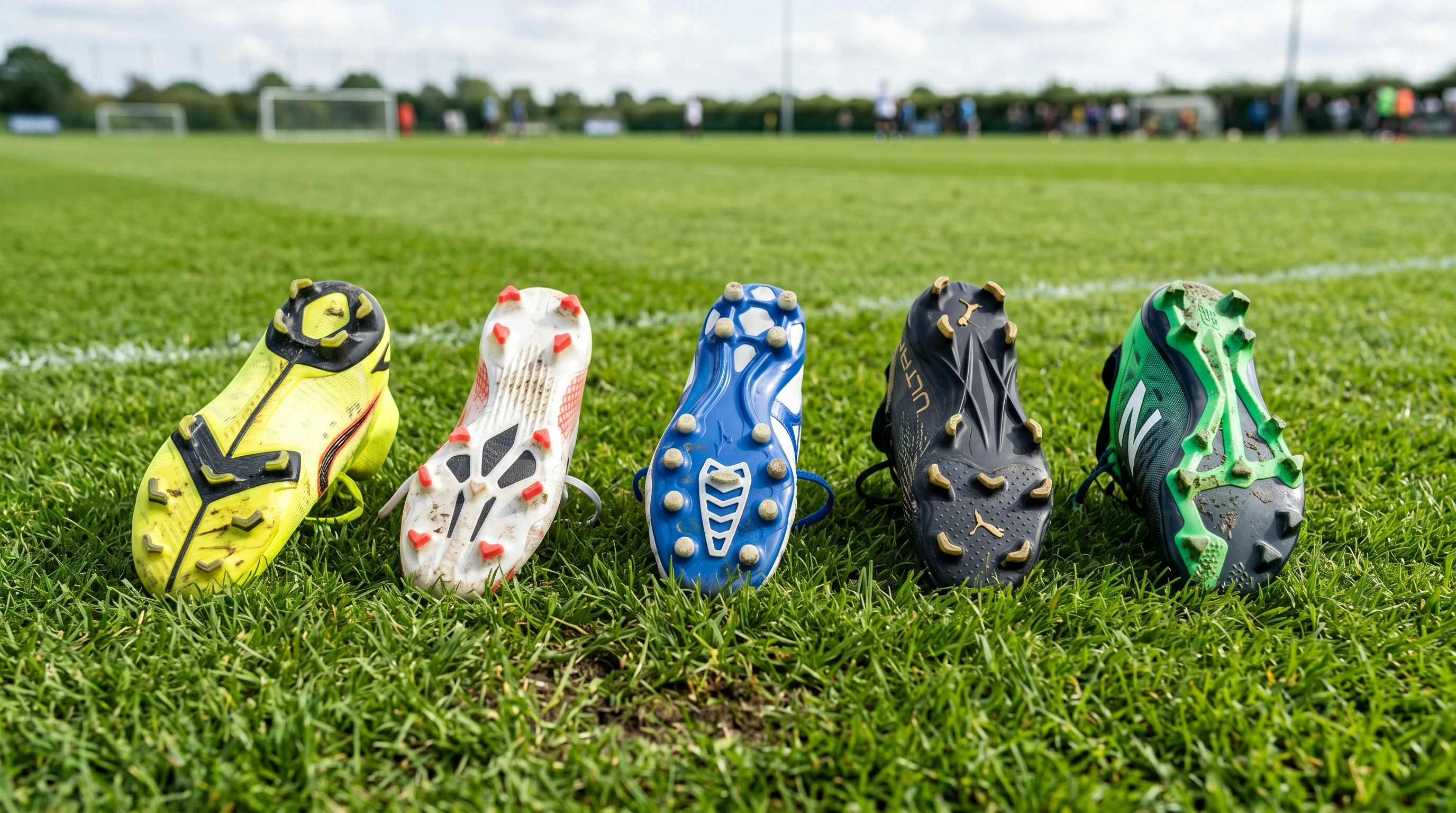
- Stud Design: Chevron, bladed, and triangle shaped studs often provide the best grip for acceleration and fast changes of direction.
- Upper Texture: Some cleats have raised zones on the upper for better ball control during high speed work.
- Soleplate Flexibility: Modern speed cleats have flexible, springy soleplates that help with quick toe off during sprints.
- Lacing System: Asymmetrical or offcenter laces can offer a big sweet spot for striking while keeping the lockdown feel for speed drills.
- Ankle Collar: Lowcut collars boost ankle movement, while knit collars can add a bit of extra support if that’s what you prefer.
When checking out different brands and models, pay close attention to these features in the shop or on your first run. Some cleats have techy names for proprietary studs or spring plates. In most cases, they’re trying to give you better push off and grip for sprint heavy sessions. Consider whether extra features like textured strips for control are helpful for the drills you do most often.
Examples of Cleats Built for Speed Training
A few cleats consistently get a ton of recommendations for speed and agility focus:
- Nike Mercurial Series: Known for its featherlight construction and responsive soleplate, popular with wingers and strikers. View Nike Mercurial on Amazon
- Adidas X Speedportal: Features very thin uppers and a stiff, springy outsole for snap acceleration.👉 Check adidas X Speedportal on Amazon
- Puma Ultra: Uses advanced woven uppers for comfort and speed, and brings a standout lowprofile stud arrangement for instant grip. 👉 Shop Puma Ultra Cleats on Amazon
- New Balance Furon: Lightweight with simple design, great for players who prefer a minimalist shoe built entirely for pace drills. 👉 See New Balance Furon on Amazon
You don’t have to break the bank. There are also entry-level and midrange speed cleats that work really well for youth and beginner players who want something close to what the pros wear but at a lower price point. Keep in mind, picking a reputable brand will also help when it comes to finding replacement parts or after sales support, should you need it.
Frequently Asked Questions: Soccer Cleats for Speed Training
These are some of the questions I hear most from players and parents wanting to get faster with the right shoes on their feet:
Question: Is it better to choose a tighter cleat for speed?
Answer: A snug (but not painfully tight) fit works best for quick footwork. Too loose and your foot will slip; too tight and you’ll get blisters. Some people find trying on cleats in the late afternoon when feet swell a bit gives the most accurate fit.
Question: Are expensive speed cleats always better?
Answer: Higher end models use better tech and lighter materials. Still, there are lots of solid midrange and budget speed cleats that perform really well. Comfort and fit should come first, and if you’re growing, value for money can be more important than going premium.
Question: Can I use the same cleats for games and speed training?
Answer: You can, but many players keep one pair for matches and one for drills to extend shoe life and always have a backup in case of damage. If you’re a serious player, rotating shoes this way can help your main pair last much longer and prevent unexpected issues on game day.
Choosing Cleats for Speed Drills: Practical Advice
Making a smart pick for your next set of cleats starts with knowing what works for your feet and training style. Ask teammates or coaches what they use, and check return policies on new purchases, just in case they don’t feel right. It’s always helpful to watch for honest reviews of specific cleats to get a real world feel for durability and comfort during fastpaced drills.
The right soccer cleats can really give your training a boost, making speed drills more enjoyable and less frustrating. If you land a pair that feels great out of the box, you’re way more likely to stick with your new drills and keep building your skills. Good luck training; here’s to getting faster on the pitch, one sprint at a time!