
Soccer drills are really useful when you want to build up your skills and get more comfortable on the field. Whether you’re hoping to make the team, just want to play a stronger pickup game, or coach younger players, practicing the basics step by step is one of the best ways to make steady progress. I’m breaking down some of my favorite easy to follow soccer drills here; plus a few insights and advice to help you make the most of your time on the field.
This article contains affiliate links. This means I may earn a small commission if you click and make a purchase, at no extra cost to you. I only recommend products that I believe will genuinely help improve your soccer training and performance.
Why Step by Step Soccer Drills Make a Difference
Practicing with clear, structured drills helps take the guesswork out of improving your skills. You get to focus on the basics, repeat them until they feel natural, and start noticing real improvements every session. Soccer is built on core abilities: dribbling, passing, shooting, and defending. Breaking these down into simple steps helps beginners figure out how each move feels and why it’s useful in a real game.
Even if you’ve been playing a while, returning to simple drills can help shake off rust or break old habits. Most professionals keep doing basic drills throughout their careers, tweaking details and adding speed or complexity as they improve. Plus, step by step drills are easy to run for groups of any size, and you don’t need fancy equipment. Just a ball, some cones or markers, and enough space to move around will do the trick.
The Basics: Core Soccer Drills to Start With
Getting started with soccer drills doesn’t require tons of technique or physical strength. The best way to learn is to break things down into smaller actions, repeat each step plenty of times, and then combine them as you get comfortable. Here are some go to drills to kick things off:
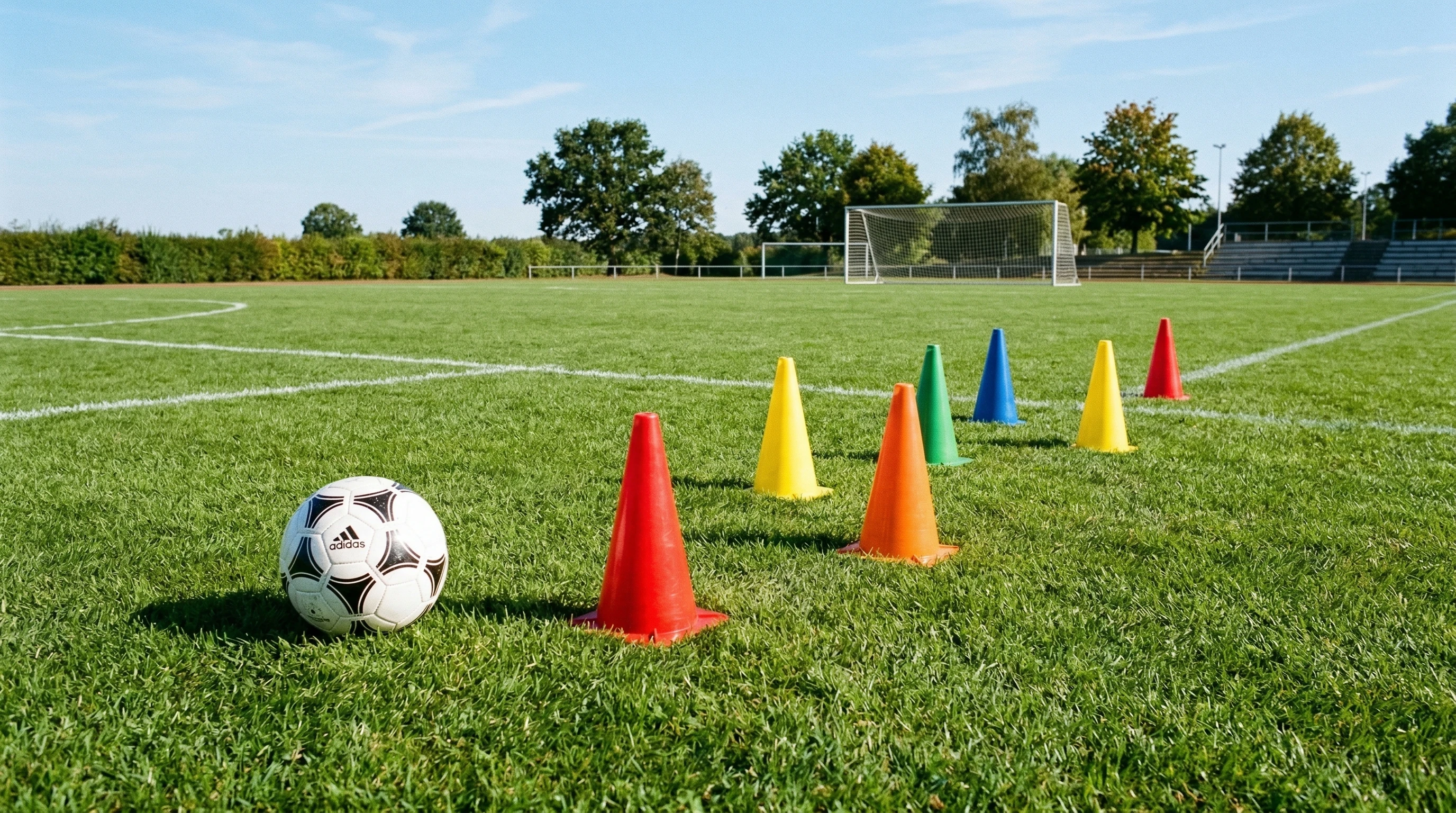
- Dribbling Zigzag: Set up cones in a straight line (about five or six, 1 yard apart). Start at one end and dribble the ball in and out through the cones, keeping the ball close to your feet. Try with both feet, and see how much control you have as your speed picks up.
- Wall Passes: Find a solid wall and stand about 5 yards away. Pass the ball against the wall with the inside of your foot, aim for a controlled return, and trap it (stop the ball) after each pass. You can add variety by changing angles or using your weaker foot.
- Passing With a Partner: Pair up and stand 5 to 10 yards apart. Pass the ball back and forth, focusing on accuracy. Start slow, get a rhythm, and then speed up. Set little goals, such as aiming for 20 passes in a row without the ball getting away.
- Shooting On Target: Set up a small target (like a bucket, cone, or even a water bottle) inside the goal. Try to hit your target from different distances, using both feet. This helps you focus on accuracy over power.
Repeating these drills helps form muscle memory, making actions automatic under pressure. Mixing up which foot you use or the speed at which you go helps challenge yourself and spot areas to work on.
Essential Gear to Improve Your Soccer Drills
You don’t need much to train effectively, but the right equipment can seriously boost your progress.
👉 Training Cones for Dribbling & Agility
Perfect for drills like zigzags and quick turns.
➡️ Get yours here: https://amzn.to/4nd9WVY
👉 Soccer Ball (Size 4 or 5)
Consistent practice starts with a reliable ball.
➡️ Shop quality soccer balls:https://amzn.to/4cVClfX
👉c
Great for passing and first-touch drills without a partner.
➡️ Check latest price: https://amzn.to
Building Skills Gradually: Step by Step Breakdown
Every drill can be split into smaller parts, making them much easier to learn. Focusing on each step helps you avoid feeling overwhelmed and sets you up for real improvement as you go. Here’s how I like to break down each core skill:
- Dribbling Steps: Start by walking with the ball, tapping it with each step. Once it feels comfortable, try jogging. Increase speed only when you’re not losing control.
- Passing Progression: Focus on planting your nonkicking foot next to the ball and striking with the inside of your foot. Work on short passes before moving to longer ones. Add moving targets or one touch passing when ready.
- Shooting Practice: Work first on technique: toe down, ankle locked, and body over the ball. Accuracy comes first; power can be added later. Set up different targets to keep things interesting and challenging.
- Defensive Positioning: Start with shadow defending, where you follow your partner’s movement without trying to win the ball. Add light contact and practice sticking with your opponent without fouling.
Little tweaks and patient repetition are where real progress comes from. Switching up distances, speeds, or adding friends can make drills more like a game, helping you stay motivated. If you want, turn your practice sessions into fun mini tournaments, or time each drill for an extra challenge.
Practical Tips for Setting Up Soccer Drills
Running soccer drills at home, in a park, or at a team session doesn’t have to be complicated. A few practical pointers make the experience smoother for everyone involved:
- Use cones, water bottles, shoes, or sticks as markers if you don’t have real cones.
- If you’re low on space, shorten distances and focus on tighter control.
- When working with a group, give everyone a turn in each role, such as passer, receiver, or defender.
- Time your drills. Try 30 to 60 seconds of effort followed by a short rest to keep things fun and intense.
- Encourage everyone (even yourself) to use their nondominant foot, even if it’s awkward, as growth happens outside your comfort zone.
Changing up the order and mixing in fun games as rewards, like a quick scrimmage, can keep energy high. Try adding target challenges or using a smaller ball to test your skills even further.
Common Roadblocks & How to Beat Them
Bumping into challenges during drills is totally normal, even for those who have played for years. I’ve seen these come up constantly, but with a little creativity, you can move past them and speed up improvement.
- Frustration with Mistakes: Messing up a pass or missing a cone isn’t a big deal, but it feels annoying. Focus on progress rather than perfection. Every pro misses passes during drills too.
- Boredom: If it starts to feel repetitive, ramp up the challenge: shrink the space, compete against a clock, or add a friend for a friendly contest.
- Limited Space: Tight areas can make some drills tricky. Stick to close control drills, quick turns, and short passing. These are actually helpful for crowded game situations.
- Low Motivation: Tracking progress, setting mini goals, or playing upbeat music can help you stay pumped up. Drills go by faster when you make them feel like a real game.
Try recording some of your drills so you can watch and check for improvements or areas that need work. Turning drill sessions into a bit of a competition with yourself or friends can fire up your drive, too.
Dealing With Nerves
Trying new moves or joining a pickup game can be nerve wracking. Practice drills help grow confidence, and the more repeats you’ve done, the less you’ll worry about messing up in front of others. Sometimes, I even picture tough practice moments as part of the real game. It’s a simple trick, but it helps later under pressure. Don’t forget, everyone was a beginner at some point, so it’s OK to take things slow and focus on your own growth.
Drills for Advanced Players Who Want an Extra Challenge
Once you feel good with the basics, you can turn up the difficulty without totally changing your routine. Some simple upgrades to classic drills keep things exciting and help those skills really stick:
One Touch Passing: Do the wall or partner passing drills, but try to return the ball using only a single touch. It’s fast and messy at first, but really improves reaction time and control.
Small Side Scrimmage: Play with three vs. three or even just one on one, in a small area. Fewer players mean more touches and lots of practice dribbling, passing, and defending under pressure.
Combination Play: Mix passing and shooting drills. For example, play a quick wall pass and then head for a shot immediately after. Linking moves together mimics real game scenarios and helps you react faster.
Defensive Pressing: Pair up, and have one dribble while the other tries to win the ball using quick steps and good angles. Switch roles often to build endurance and technique.
If you want to make things even tougher, use a size three ball instead of a regulation size five; it requires quicker footwork and sharper control. Or, set up cone gates for passing accuracy and try to hit moving targets for a real challenge.
Questions People Have About Soccer Drills
There are a few questions I hear all the time when talking about soccer drills. Here are honest, all in one answers based on my own experiences:
How long should I spend on each drill?
It depends on your schedule and goals, but I get the best results by running each drill for about 10 to 15 minutes; enough time to get plenty of reps but not so long that things get boring or sloppy. Total practice can range from 30 minutes to an hour for most people.
What gear do I need for drills?
All you really need is a ball and some markers. Soccer cleats and shin guards help if you’re playing on grass or with a group. If you want extra practice, a portable goal or rebounder net can be pretty handy. Remember, staying comfortable and being safe matters more than fancy gear.
Do these drills work for small kids or older players?
Absolutely. The steps are the same for all ages, but you may want to shorten distances or slow down the tempo for younger kids. Older beginners can follow the same progression, focusing on mastery and confidence. Soccer is a lifelong game; there’s always something you can add to your skills, whatever your age.
Bringing Soccer Drills Into Everyday Life
Soccer drills fit really well into a busy schedule. I often slot in 10 minutes of passing or dribbling in my backyard or local park, or set up quick friendly challenges with friends during downtime. Focused effort a few times a week pays off, and soon you’ll spot the difference in how you feel about the game. You’ll get stronger, more confident, and way more comfortable with the ball at your feet.
It’s all about finding what works for you, sticking with it, and having a good time as you go. Soccer drills aren’t just about drills; they’re a fun, effective way to build real skills and get more out of every game and practice session. So grab your ball, bring a friend if you can, and keep working at it—your on field confidence and enjoyment will only climb from here.