
Soccer is a sport packed with passion, speed, and energy. Understanding all the words and phrases people use on the pitch and in the stands can make watching or playing the game so much more enjoyable. When I first started learning about soccer, some of the terminology honestly threw me for a loop. Knowing the lingo means you won’t miss out on the excitement, whether you’re cheering at a stadium or watching from your couch. Here’s a straightforward breakdown of commonly used soccer vocabulary, with some super detailed explanations to help you get the hang of the sport.
This article contains affiliate links. This means I may earn a small commission if you click and make a purchase, at no extra cost to you. I only recommend products that I believe will genuinely help improve your soccer training and performance.
Popular Soccer Terms Explained
Soccer has a long history dating back centuries. Through all that time, a huge collection of words and phrases have become part of everyday talk on and off the field. If you’re feeling lost after hearing someone mention a “clean sheet” or wonder what “offside” really means, you’re not alone. Here’s a quick guide to some of the most recognizable soccer words you’ll hear pretty much every match:
- Goal: When the ball completely crosses the goal line between the posts and under the crossbar, it counts as a goal. This is the main way teams score points.
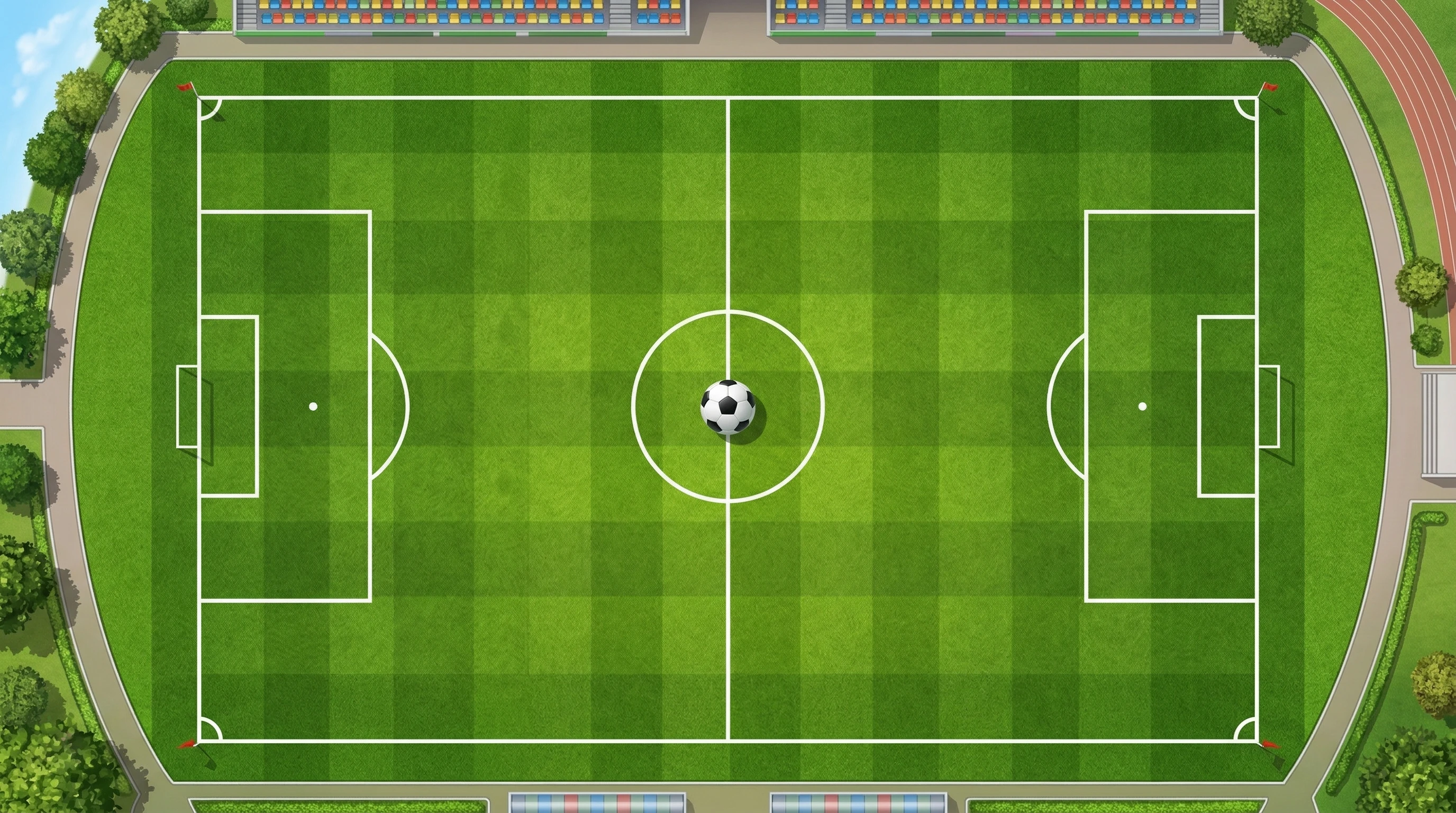
- Pitch: This is what a soccer field is called. The pitch is usually made of grass or artificial turf and is marked with lines for boundaries, the center circle, and penalty areas.
- Kit: This refers to a player’s uniform, which includes the jersey, shorts, socks, and sometimes a warmup top. Each team has colors that help fans and referees tell players apart.
- Match: A single game of soccer, made up of two halves that are usually 45 minutes each.
- Extra Time: If a match ends in a draw during a knockout tournament, teams may play an added period, called extra time, to decide a winner.
Getting these basic terms down makes conversations about the game a whole lot easier. Whether you’re discussing plays with friends or reading match reports, you’ll sound like you know your stuff in no time.
The Rules that Shape the Game: Key Terminology
Understanding the rules can really help when you’re trying to follow the action or even if you’re just casually watching highlights. There are a few words that come up a lot around gameplay, fouls, and infractions.
- Offside: A player is offside if they’re nearer to their opponent’s goal line than both the ball and the second last defender when the ball is played to them. The offside rule helps keep things fair and prevents attackers from just camping near the goal for an easy score. FIFA has a helpful visual guide, which I found super useful if you want to dig into the details.
- Foul: This is an illegal action in the game, like tripping, pushing, or handball (touching the ball with a hand or arm when not allowed). Fouls usually earn a free kick or penalty kick for the other team.
- Yellow Card: Referees use yellow cards as a warning when a player’s action crosses the line but isn’t enough for instant ejection. Two yellows equal a red card and an ejection from the match.
- Red Card: A red card gets a player sent off the pitch immediately. The team then plays with one fewer player for the rest of the match.
- Penalty Kick: Awarded when a foul happens inside the penalty area. It’s a one-on-one showdown with the goalkeeper and is a high-pressure scoring chance.
Getting familiar with these rule-related words is really important for making sense of what’s happening during a match. When the referee blows the whistle or pulls out a card, you’ll know exactly what’s going on.
Talking Tactics: Soccer Strategy Vocabulary
Coaches, commentators, and even fans get pretty deep into discussing game strategies and styles. If you want to join those conversations or just follow along better, knowing these terms can be pretty handy:
- Formation: This refers to how players are arranged on the pitch, often shown with numbers like 442 or 352. The first number is defenders, the second is midfielders, and the last is forwards. Teams might switch formations to play more defensively or go for more attacking moves. Many coaches will start a match with a standard setup and then mix it up depending on what the other team is doing.
- Pressing: When a team applies pressure aggressively to quickly win the ball back from the other team. High pressing can force mistakes, while low pressing is more about waiting for an opportunity to win the ball.
- Counterattack: A quick attack launched immediately after gaining possession, trying to catch the opposing team off guard and out of position. Counterattacks work best when a team is defending deep and then bursts forward with speed.
- Set Piece: Any play that starts with a stopped ball, like a corner kick, free kick, or throw-in. Many teams practice set pieces for slick, preplanned moves and high percentage chances.
- Marking: Defenders often talk about marking, which means closely guarding an opposing player to stop them from receiving the ball or scoring. There’s man marking (one defender sticks to one attacker) and zonal marking (covering an area rather than a specific player).
Picking up these strategy-related words adds a whole new level of appreciation. After a bit of practice, you’ll start to spot patterns in how teams play and can even predict what they’re about to try next. Some fans love mapping out formations and debating tactical choices after the game just as much as watching the goals.
Describing the Action: Play-by-Play Soccer Vocabulary
Commentators like to keep things exciting, so soccer has its own set of action words to describe what’s going on at every moment. Here are some common ones that pop up during matches and highlight reels:
- Dribble: Moving the ball down the field by keeping it close and under control with your feet. Good dribbling helps players beat defenders and create space for a shot or cross.
- Cross: Kicking the ball from the side of the pitch into the center or goal area, hoping a teammate will finish with a shot.
- Tackle: Trying to take the ball away from an opponent, usually with your feet. A well-timed tackle is one of those things that gets fans cheering.
- Header: Playing the ball using your head, either to pass, clear, or try to score. Headers are a big part of set pieces and crossing situations.
- Volley: Striking the ball before it touches the ground, usually after a cross or a high pass. Pulling off a great volley is always next-level cool.
These words pop up in nearly every minute of game coverage. Getting comfortable with this vocabulary makes following the fast pace of play way more exciting. You’ll also be able to spot the difference between subtle skill moves and more basic passes or shots.
Understanding the People Involved: Who’s Who on the Pitch
Soccer isn’t just about players; there’s a whole squad of folks involved in every match. Here’s who you’ll see:
- Goalkeeper (Keeper): The player who guards the goal and can use their hands within the penalty area. Good keepers are quick, brave, and always alert. They often organize the defense and make some game-saving stops.
- Defenders: Their main job is to stop the opposition’s attackers and protect their keeper. You’ll hear defenders called center backs, fullbacks, and wingbacks, each with specific roles along the back line. Center backs cover the middle, fullbacks patrol the flanks, and wingbacks blend defense with pushing forward in attack.
- Midfielders: Positioned between the defenders and forwards. Midfielders do a bit of everything: they assist in both defense and attack. Some midfielders are playmakers, setting up passes and controlling the rhythm of the game, while others break up the opposition’s plays.
- Forwards (Strikers): Usually focused on scoring. Strikers are the ones expected to finish off attacking moves with goals. Wingers, a type of forward, provide speed along the edges and deliver crosses to the center.
- Referee (and Assistants): The referee runs the match, enforces rules, and hands out cards, while assistant referees (on the sidelines) help with offside calls and out-of-bounds. The fourth official handles substitutions and displays added time.
Recognizing who’s who and what they do helps you get a feel for team strategies and gives you new appreciation for standout performances in different roles. Next time you’re watching a match, see if you can spot the different types of players in action.
Common Soccer Phrases and Expressions
A few soccer phrases get tossed around all the time, especially by commentators or hardcore fans. Here are some you might hear and what they mean:
- Clean Sheet: When a goalkeeper (and their team) stop the other team from scoring any goals in a match. A clean sheet for the keeper is always celebrated and shows strong defense.
- Nutmeg: This is when a player passes the ball through an opponent’s legs and regains control. It’s cheeky and always gets a cheer from the crowd.
- Equalizer: A goal that evens out the score between two teams, basically tying things up and boosting team morale.
- Hat Trick: When one player scores three goals in a single match. This is a big deal and doesn’t happen often. Players who score a hat trick sometimes keep the match ball as a prize.
- Derby: A match between two local or historic rivals, like Manchester United vs. Manchester City. Derbies always bring tons of excitement and passion, with fans looking forward to them all season.
Get comfortable with these expressions, and you’ll catch every inside joke and pun during matches and highlight shows. They make conversations with other fans a lot more fun and help you bond over shared moments of celebration or rivalry.
Questions About Soccer Words? Quick FAQ
Anytime I spoke with new fans, some questions always popped up about soccer terms and expressions. Here’s a quick rundown of things you might still be wondering:
What’s the difference between a free kick and a penalty kick?
Answer: A free kick is given for certain fouls and can happen anywhere on the field, while a penalty kick is always awarded after a foul inside the penalty area, giving a clear shot at goal from the penalty spot. Free kicks can be either direct (you can score directly) or indirect (another player must touch the ball first).
What does “injury time” mean?
Answer: Also called stoppage time or added time, at the end of each half, the referee adds a few minutes to make up for stoppages from things like injuries, substitutions, or time-wasting. This ensures teams get a fair amount of playing time.
Why do people call it soccer and not football?
Answer: In some places, like the United States and Canada, “soccer” is used to prevent confusion with other sports called football, such as American or Canadian football. Most of the world calls it football, but the name “soccer” actually comes from “association football.”
How Learning Soccer Lingo Helps Your Love of the Game
Picking up these words and phrases makes watching or playing soccer way more enjoyable and helps you feel connected to the action. Knowing the vocabulary means you won’t be left guessing during big plays or funny highlight clips. As you watch more games, you’ll start to pick up even more terms, and you might even teach your friends a thing or two. If you want to get into more details, checking out official sources like the FIFA Laws of the Game is pretty helpful.
With this guide as a starting point, you’re ready to talk about the game, understand commentary, and get even more enjoyment from every match. Game on!