
Soccer training might seem pretty simple from the sidelines, but anyone who’s actually played or tried coaching knows there are plenty of hurdles that can slow things down. I’ve faced my share of frustrations and breakthroughs during my own training, so I want to dig into the most common soccer training challenges and share what’s worked (and what hasn’t) for moving past them.
This article contains affiliate links. This means I may earn a small commission if you click and make a purchase, at no extra cost to you. I only recommend products that I believe will genuinely help improve your soccer training and performance.
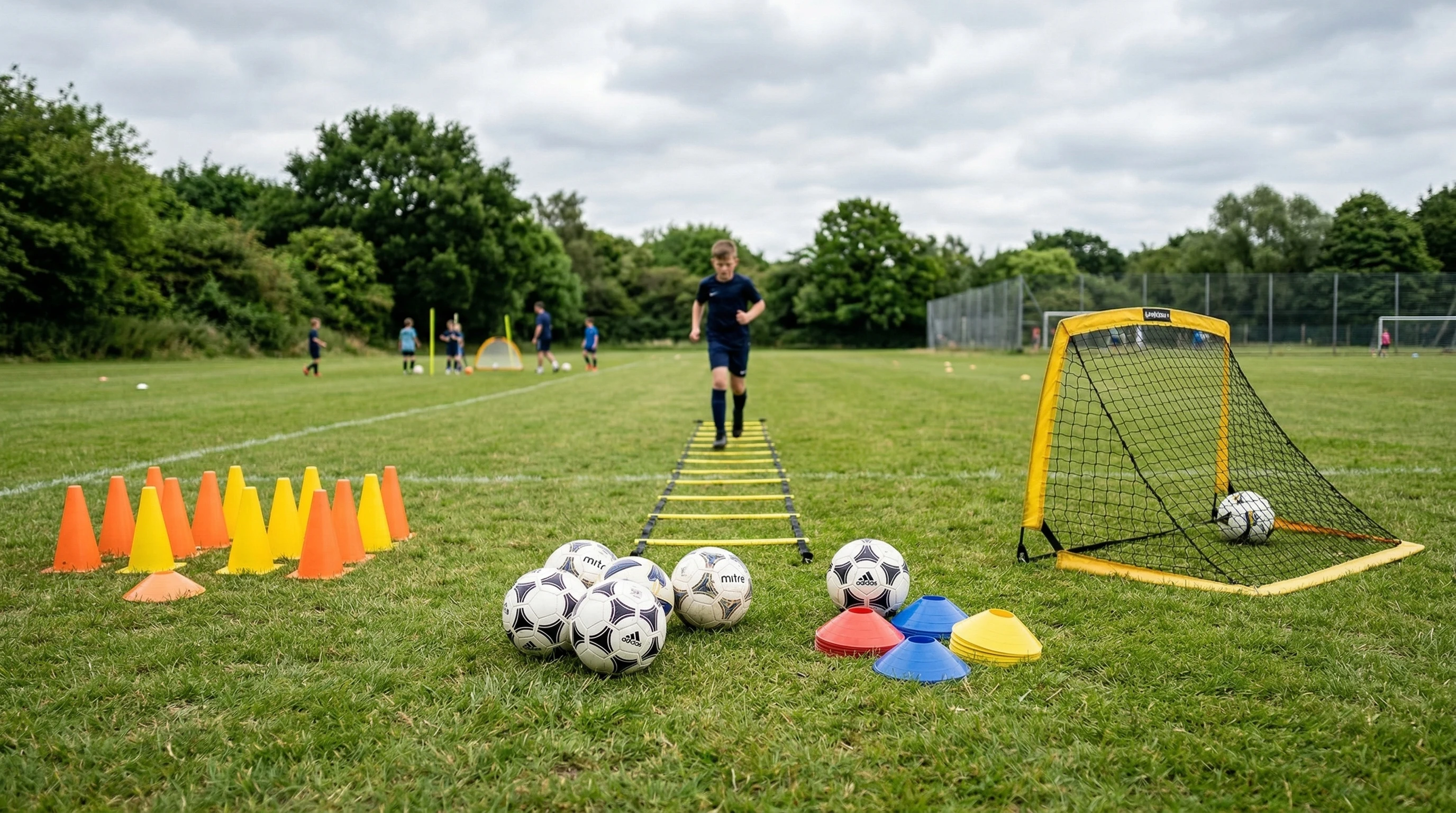
Understanding the Main Soccer Training Obstacles
Getting better at soccer isn’t just a matter of kicking a ball repeatedly. It comes with its own set of challenges that players face no matter their age or ability. Common roadblocks almost everyone runs into include keeping motivation high, managing practice time, breaking down technical skills, learning to work together as a team, and staying in solid physical condition.
Soccer is a popular game worldwide and that’s awesome, but it also means competition is high and can sometimes feel overwhelming. Studies ranging from youth leagues to professional clubs show that smart training, balanced with good rest and mental focus, helps grow better players. So, tracking down ways to power through these obstacles is huge for players who want to enjoy the game and step up their skills over time.
First Steps in Tackling Soccer Training Obstacles
For folks just starting out, the biggest roadblocks are usually learning the basics and figuring out effective practice outside normal team sessions. Even picking the right shoes, finding a reliable soccer ball, and really learning the rules can take plenty of effort early on.
Here’s a quick breakdown of soccer basics to help beginners get into their groove and work past their first set of challenges:
- Dribbling: Practice close control while walking and jogging to build your confidence.
- Passing: Use a wall or partner to work on both short and long passes with each foot.
- Shooting: Try striking the ball using your laces, the inside, and the outside of your foot. Notice how each changes the ball’s direction and speed.
- Position Awareness: Always check in with where you are on the field. Get into the habit of scanning for open space even during casual moments. “Even picking the right shoes, finding a reliable soccer ball…”
- ⚽ Beginner Soccer Ball
- 👟 Soccer Cleats for Training
Practical Solutions for Common Training Hurdles
Soccer training feels a lot smoother once you see where potential problems might show up. Here are five roadblocks most players bump into and fixes I’ve used to get around them:
- Limited Access to Facilities: Not everyone has a perfect field nearby. Making use of parks, backyards, or any open space for basic drills helps keep you consistent. Helpful Home Training Equipment
👉 Training Cones for Backyard Drills
👉 Portable Soccer Goal
- Weather and Field Conditions: Rain, heat, or muddy fields can mess up your plans. Switching to indoor practice or focusing on fitness and ball control inside is a solid alternative.
- Time Management: Balancing school, work, or family can be tough. Short, focused sessions and keeping a simple weekly mental plan can really make a difference.
- Motivation Slumps: It’s natural to hit a plateau or lose interest. Shaking up drills, starting mini-competitions, or having friends join helps reignite excitement for training.
- Confidence and Mental Pressure: Anxiety about messing up or performing in games can get in the way of progress. Practicing mindfulness and celebrating even small wins helps ease nerves.
Being creative with your surroundings and flexible with how you train goes a long way in making it easier to knock out these obstacles.
What Barriers Are Most Likely to Slow Your Progress?
Some obstacles can drag down improvement if you don’t face them directly. Here are four common areas that slow players down, whether they’re new or experienced:
- Injury Risks: Soccer can be tough on the body, and injuries—especially to ankles and knees—happen a lot. Always building in warm-up routines and strength work is key for staying healthy.
- Handling Team Dynamics: Soccer is a team game. Hard feelings, miscommunication, or personality clashes can make practice tough. Open communication and switching up roles in practice drills helps everyone work together better.
- Lack of Feedback: Doing the same drill wrong time after time just builds bad habits. Recording your training, asking for feedback, and using online coaching resources can help you spot what needs fixing.
- Access to Coaching: Not all players have access to a coach every session. Watching professional matches, analyzing the moves of top players, and using YouTube tutorial videos can really step up your learning.
Injury Risks
Many soccer players skip warm-ups or stretching because they’re excited to play, but that’s asking for trouble. Just a short routine—a few sprints, shuffles, and some light ball touches—can save you from most strains. I find it helps to mix in bodyweight exercises like squats, lunges, and planks each week to bulk up durability.
Team Communication
Teamwork goes way beyond just passing and scoring. Regular group chats, simple check-ins at practice, and tossing out props for good effort make the environment more welcoming. That way, everyone feels included and gears up to give their best.
Feedback and Guidance
Slogging through soccer practice without knowing what you’re doing wrong stalls progress. Recording what you do with a smartphone and reviewing it with a teammate shows where you can improve. There are lots of free online resources out there that break down pro-level techniques so anyone can understand them.
Advanced Tips to Get Past Stubborn Obstacles
Once you’ve got the basics down, reaching another level is about sharpening your skills and building mental toughness. These tips have helped me and others push through rough patches and find new breakthroughs:
Try PositionSpecific Drills: Don’t just train generically—work on tasks meant for defenders, midfielders, or attackers. For example, defenders can hone in on 1v1 tackling; attackers can practice finishing under pressure; and midfielders might use quick turns and work on passing long distances.
Use Visualization: Take a few minutes to picture yourself pulling off perfect moves and goals. It may sound odd, but this really sets your mind up to create winning habits on the field.
CrossTraining: Mixing in other sports like futsal, basketball, or even racquet sports builds better footwork, fitness, and reaction speed. Plus, it breaks the routine and keeps things enjoyable.
Fuel and Recovery: Eating well and getting enough sleep boosts energy during training and fast-tracks recovery. Switching out junk food for balanced meals before practice made a huge difference for me and others I train with.
Training Gear That Actually Makes a Difference
Having some reliable training equipment at home or in your bag really pays off over time. Here are some simple tools that I keep in my routine:
- Cones and Markers: You can map out dribbling or passing courses almost anywhere for quick practice.
- Agility Ladder: Improve foot speed, balance, and coordination. There’s a reason you keep seeing pros using these—they work.
- Resistance Bands: They’re perfect for strength and injury prevention, especially for lower-body joints like ankles and knees.
- Portable Goal: A pop-up or mini goal is handy for shooting practice in parks or your backyard.
Working out with simple gear gives you a lot of control over when and how you practice, and helps keep training sessions dynamic and effective, especially if you’re working solo.
Frequently Asked Questions
What’s a realistic training schedule for a beginner?
Start off with two or three short sessions each week. Each session, focus on just one or two skills—like dribbling and passing one day, shooting and fitness the next. Sticking with this steady plan brings more improvement than trying to cram it all into just one long workout.
How do you stay motivated after hitting a plateau?
Mix up your routine; try switching drills, experimenting with new positions, or asking friends to join in. Watching professional matches and making small, achievable goals can make training fun again.
Is group or solo training better for development?
They both play a part. Group sessions build teamwork and competitiveness, while solo work helps you clean up specific skills at your own pace. Mixing both is the most balanced way to step up your game.
Final Thoughts
Getting past obstacles in soccer training takes patience, persistence, and a willingness to try solutions that work with your lifestyle, not just your goals. Everyone runs into rough patches, but with solid habits, reliable gear, and a creative approach, soccer can be one of the most rewarding sports around. Each training session offers a new chance to move forward—and that’s a big part of the fun.
👉 Check Out My Recommended Soccer Training Equipment Here