
Soccer drills are super useful for anyone getting started with the game. Whether you’re looking to build up basic skills, have a fun time with friends, or maybe even aim for a team spot one day, picking the right drills can make your training way more effective. The good news is that you don’t need fancy gear or a huge field to start. In this guide, I’ll share my experience with beginner soccer drills that actually help you grow your skills and confidence, even if you’re totally new to the sport.
Affiliate Disclosure: This article contains affiliate links. As an Amazon Associate, I may earn from qualifying purchases at no extra cost to you. I only recommend soccer gear that can genuinely help improve speed, comfort, and performance on the field.
Why Soccer Drills Matter for Beginners
Learning soccer as a beginner can feel overwhelming, with so many techniques to figure out, from controlling the ball to learning how to move across the field. Drills break these things down into easy steps. I’ve found that steady, simple practice with the right drills helps you build strong habits and avoid picking up bad technique early on. Plus, drills are a great way to get your body used to the stops, starts, and quick turns that soccer requires.
Soccer is the world’s most popular sport, and its popularity means there are tons of tools, drills, and approaches available. Whether you’re playing in your backyard or with a local club, consistent practice with beginner drills lays the foundation for everything else you’ll eventually learn, like passing, shooting, and defending under pressure. Over time, these small efforts build up into skills that really shine when you finally play in a match or friendly game at the park. Trust me, sticking to beginner drills now will pay off a lot as you gain experience.
Getting Started: What You Need Before Drilling
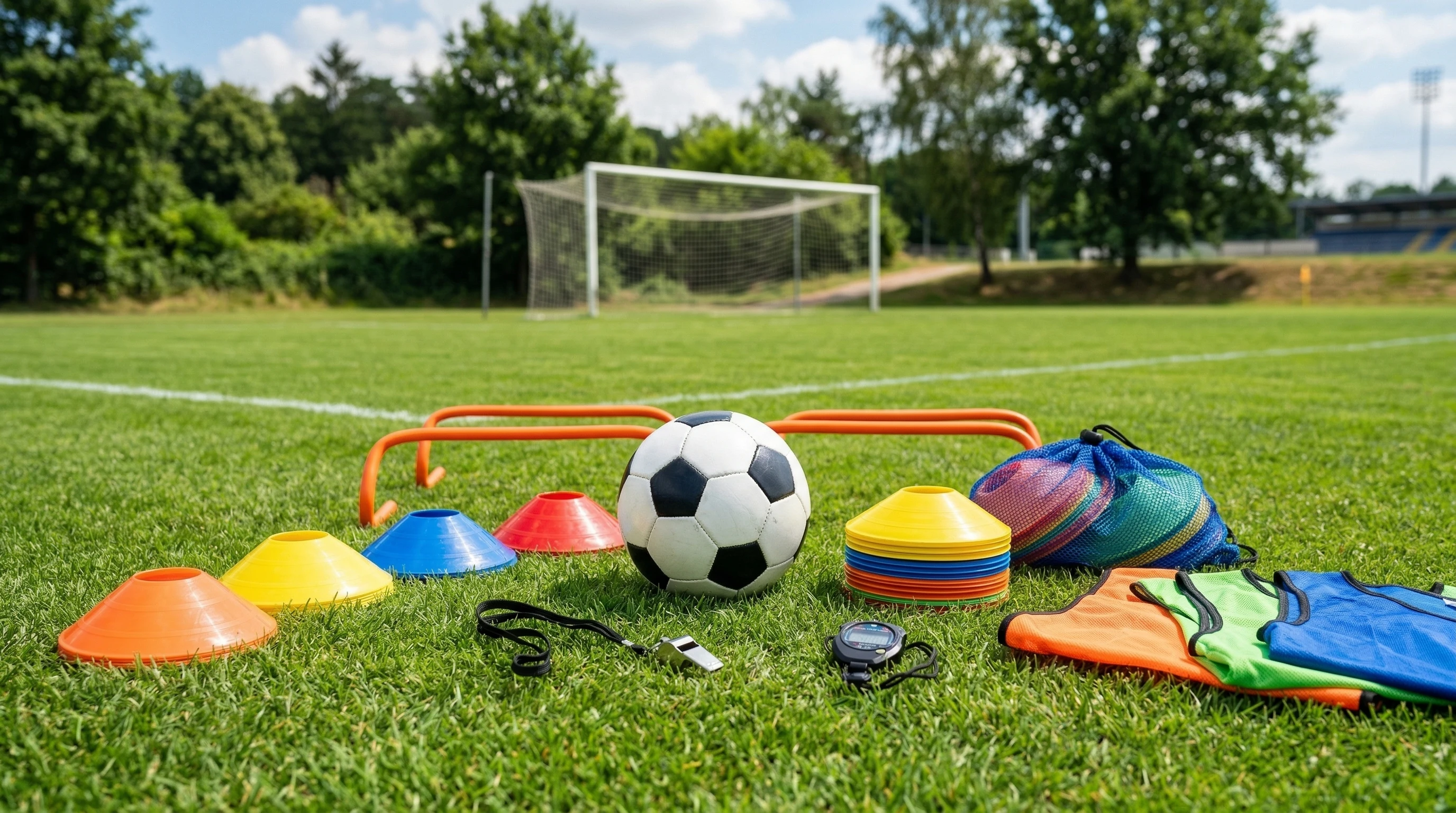
Before jumping into drills, there are a few basics you need. The good news is, the list is pretty short. Here’s what I always keep handy for at-home or park training:
- Soccer Ball: A size 4 ball works well for most beginners up to around age 12; size 5 is standard after that.
- Space to Move: A small section of grass at the park, your backyard, or even a driveway gives enough room to work.
- Cones or Markers: Anything—old shoes, water bottles, or actual training cones, works for marking spots.
- Comfortable Shoes: Cleats are great, but any athletic shoes are fine for learning the basics.
No need to stress about special gear. Just make sure the space you use is safe and flat enough to avoid tripping. If you feel like adding a bit of safety, bring a water bottle and sunscreen if you’re outside on a sunny day. Staying hydrated and comfortable is important, especially when starting out.
Top Beginner Soccer Drills
Drills work best when they’re simple and keep you moving. These beginner drills are tried and true; in fact, most youth coaches use some version of them. Here’s a look at the basics I recommend for anyone just starting out:
Dribbling Drills
- InsideOutside Dribble: Set up a short line of cones or markers about three feet apart. Start at one end and weave through the markers using only the inside and outside of your foot. Try to keep the ball as close as possible. Gently speed up as you get more comfortable. This one helps improve both ball control and balance.
- Dribble and Stop: Start dribbling at a slow jog, then stop the ball under your foot when you hear a signal—like a timer, a clap, or a coach’s whistle. Restart and repeat. Learning quick stops is super important for real games.
Adding a challenge can keep dribbling lively. For instance, you can time yourself to see how quickly you can finish the course without losing control. Or, if you have a sibling or friend, set up mini-races through your cones. These simple tricks can make solo skill-building more fun and rewarding.
Passing and Receiving Drills
- Wall Pass: Find a sturdy wall or rebounder. Pass the ball against it, then receive it back, focusing on using the inside of your foot for both passing and trapping. Try for accuracy, not power. This solo drill really helps in building your touch and control.
- Gate Passing: Place two markers a few feet apart to make a gate. Stand on one side and pass the ball through the gate to a partner, or come around and receive the ball on the other side. Gates help you focus on passing precision at a close range.
If you’re working alone, aim to hit the same spot on the wall each time, improving your passing accuracy. If you’re with friends, you can turn Gate Passing into a competition: who can make the most accurate passes in a row without missing the gate?
Shooting Drills for Beginners
- Target Shooting: Use cones or even articles of clothing to mark out a small goal on a fence or wall. Take shots from varying distances and try to aim for different spots in the goal. Focus on accuracy first and power second.
- Shoot and Follow: After shooting, always run to “collect your rebound” or chase down the ball. This drill helps build habit and keeps you moving just like in a real match.
If you like a bit more of a challenge, set up targets within the goal area to “knock over” or “hit” for points. This encourages focus while adding some friendly rivalry if you’re working out with someone else.
First Touch Drills
- Self Toss Control: Toss the ball a couple of feet in the air, let it bounce once, and then bring it under control with your foot, thigh, or chest. The aim is to cushion the ball and keep it close, not knock it away.
- Partner Pass First Touch: Pass back and forth with a partner, focusing on taking the first touch to set up your next move (dribble, pass, or shoot). Try both right and left feet for balanced skill development.
Difficulties Beginners Might Face (And How to Get Around Them)
Learning soccer isn’t always smooth sailing. I see a lot of beginners run into similar challenges:
- Keeping Control When Nervous: Big open spaces and new situations can make you nervous, which often means kicking too hard or losing control of the ball. Focusing on short, controlled movements and slow dribbles can calm you down and help you stay under control.
- Getting Tired Quick: Soccer involves constant movement, and those new to the sport might get tired fast. Building up stamina is best done through short drills and gradually lengthening your sessions; there’s no need to go all in on day one.
- Using Both Feet: Most new players only use their dominant foot at first. Intentionally practicing drills with both the left and right foot is really important for longterm growth, even if it feels awkward at first.
- Passing Without a Partner: Not everyone has a friend to train with. Walls, bounceback nets, and even sturdy fences make great passing partners for solo practice.
Managing Early Frustration
Some days you’ll feel stuck or like you’re not improving quickly enough. That’s normal, and it happens to everyone. Stay patient and keep your training light and fun at the start. I sometimes switch from focused drills to just free play when I hit a wall, and it almost always helps unblock that feeling.
Beginner Soccer Drill Tips
Getting the most from your drills isn’t about fancy footwork or speed; it’s about consistency, patience, and small improvements. Here are a few tips I believe make practice more effective:
- Keep Sessions Short: For new players, 20 to 40 minutes is plenty. You’ll absorb more if you’re fresh and focused, rather than tired and sloppy.
- Work on Weak Spots: Take note of which skills feel awkward (maybe it’s your left foot or shooting accuracy) and add extra reps on those each session.
- Make It Fun: Mix in little games or challenges, like timing yourself through cones or counting successful passes in a row. Making things fun is key to sticking with the game.
- Document Progress: Snap a quick video or jot notes about your speed, accuracy, or confidence level every week or so. Looking back at these can be really motivating.
It also helps to practice at a regular time each week, which builds routine and keeps you showing up even when your motivation dips. Sometimes, inviting a friend to join you for a weekly session can keep things fresh and offer new skills to check out together.
To make your training more effective, consider using some of these beginner-friendly soccer training tools:
Recommended Soccer Training Equipment
⚽ Soccer Training Cones
Perfect for dribbling courses, agility drills, and passing gates.
Recommended Products:
- Amazon Basics Training Cones
- Franklin Sports Soccer Cones
⚽ Soccer Rebounder Nets
A rebounder acts like a training partner, helping you improve passing accuracy, first touch, and ball control.
Recommended Products:
- QuickPlay PRO Rebounder
- SKLZ Quickster Soccer Trainer
- PowerNet Soccer Rebound Net
⚽ Agility Ladder
Build foot speed, balance, coordination, and quick direction changes.
Recommended Products:
- GHB Agility Ladder
- Yes4All Speed Ladder
⚽ Soccer Ball for Beginners
Training with the correct ball size is important for skill development.
Recommended Options:
- Adidas MLS Club Ball
- Nike Academy Soccer Ball
- Select Numero 10 Training Ball
Where Beginner Drills Pay Off On the Field
I’ve seen firsthand how beginnerfriendly drills translate into valuable skills during games or pickup sessions. For example, a player who started with simple dribbles and passing gates usually feels more comfortable with ball control and is ready to take on a defender. The ability to trap a pass or quickly change direction is built through these early drills, not by copying pro moves on day one.
- Improved Confidence: Nothing beats the boost you get from noticing small improvements, like sharper passes or smoother dribbles.
- More Enjoyment: When you don’t have to chase after a runaway ball every few minutes, soccer becomes a lot more fun.
- Preparedness for Team Play: Team sessions move quickly. Working on core skills at home is a big advantage when you want to join group practices or scrimmage games.
The real payoff comes when you play with others and realize you can hold your own, make quick decisions, and really enjoy the flow of the game. Simple drills make the soccer field a less intimidating place and let you focus on improving even when things get tough.
Frequently Asked Questions
Here are a few questions that often come up when someone starts with soccer drills:
Question: How often should I practice beginner soccer drills?
Answer: Practicing 2 to 3 times a week works well. It keeps your body learning without wearing you out. If you want to play more, just remember to rest in between!
Question: Can I do these drills alone?
Answer: Absolutely. Most drills can be done solo with a wall or just space to move in. If you have a friend or sibling, add them for passing and some friendly competition. Even setting up challenges for yourself—like number of touches or shots on goal—works when you’re on your own.
Question: How do I know if I’m getting better?
Answer: Record your progress, either with notes or short videos, and notice small wins. Maybe you’re dribbling faster, passing more accurately, or feeling more balanced after a few weeks. Celebrate these steps and you’ll stay motivated to keep going.
Question: What if I don’t have much room to practice?
Answer: Even a small piece of flat ground is enough for basic dribbling and passing drills. Adapt your drills to fit the space, use lighter touches, and focus on control—you’ll see progress even in tight spots!
Take Your Soccer Skills to the Next Level
Every great soccer player started with the basics. The difference between players who improve quickly and those who struggle often comes down to one thing: consistent practice. The beginner drills in this guide are designed to help you build confidence, improve ball control, and develop the core skills you’ll use in every match.
If you’re serious about improving your game, commit to practicing these drills 2–3 times per week. Even just 20–30 minutes per session can lead to noticeable improvements in your dribbling, passing, shooting, and first touch.