
Dribbling And Ball Control Mistakes: Online Coaching For Better Touch , If you’re like most players trying to step up your soccer game, dribbling and ball control can either make you shine or leave you stuck. Getting a smoother touch and tighter control opens up space, lets you keep possession under pressure, and turns you into the kind of player who feels comfortable with the ball at your feet. Online coaching has started to play a bigger role for anyone looking to work on those finer details from home or between practices. I’m here to walk you through some of the usual mistakes with dribbling and ball control, plus show you how online coaching makes a real difference for your skill development.
Affiliate Disclosure: This article contains affiliate links. As an Amazon Associate, I may earn from qualifying purchases at no extra cost to you. I only recommend soccer gear that can genuinely help improve speed, comfort, and performance on the field.
Why Dribbling and Ball Control Matter
Pretty much every coach out there says it. ball control is the building block for almost every part of soccer. When I’ve worked with players who struggle to keep the ball close, they often hesitate under pressure and end up losing the ball more than they’d like. Great dribblers don’t just look cool weaving through defenders; they make it easier for their team to keep the ball moving and create scoring chances. So, tightening up your dribbling and control isn’t just about flashy moves. it’s about being a reliable teammate and a stronger player overall.
In modern soccer, players are expected to operate in tight spaces, control difficult passes, and get past defenders quickly. Coaches and scouts notice those players who can keep the ball glued to their foot, even when the pitch is crowded. That’s why focusing on ball control early gives you an edge that’s tough to ignore—no matter your position on the field. Plus, superior ball control means you can take on defenders in one on one situations, shield the ball with confidence, and open up more passing angles. These skills are just as important for defenders and midfielders as they are for strikers.
Common Dribbling and Ball Control Mistakes
Even experienced players can fall into simple traps with their dribbling and touch. Spotting these trouble spots is the first step to improving them. Here are some mistakes I see all the time, both in person and from reviewing training videos online:
- Poor First Touch: A heavy first touch sends the ball too far, giving opponents an easy challenge. Good first touch, on the other hand, keeps the ball right where you want it. close and under control.
- Watching Your Feet: Newer players often get caught up looking down at the ball instead of scanning for teammates, spaces, or approaching defenders. When you’re not aware of what’s around you, your decisions slow down and you miss easy plays.
- Using Only One Foot: Most people have a dominant foot, but always relying on it limits your movement and lets defenders predict your next move. Great dribblers use both feet for changes of direction and controlling tricky passes.
- Dribbling Too Fast: Trying to fly past everyone usually ends with the ball getting away from you. Dribbling needs control, so you want quick, small touches, especially in tight areas.
- Ignoring Body Position: When your upper body is too upright or stiff, you lose balance and can’t shield the ball. Staying low and flexible improves both balance and agility.
These errors can creep into your play without you realizing, which is why video review and targeted feedback can have a big impact. Even small mistakes in your posture—such as standing too tall or not using your arms for balance—can hurt your ability to get out of trouble. Asking your coach to double-check these little details on video will make your corrections faster and more effective.
Why Online Coaching for Dribbling and Ball Control Works
Online coaching for soccer has picked up serious steam, especially for skills like dribbling that need lots of repetition and individual focus. I’ve had good experiences trying remote sessions and sharing practice videos for feedback. it’s a totally different way of picking up on things that might get missed during a crowded team practice. Whether you’re in the off-season or want to add extra training outside of scheduled practices, online coaching makes it easy to stay sharp and motivated. Many players are surprised by how helpful it is to get corrections and encouragement right in their inbox from a coach who’s seen hundreds of players before.
Some reasons online coaching is pretty handy for ball control and dribbling:
- Personalized Feedback: Coaches can break down your video, frame by frame, and show you things you can’t spot while playing. These breakdowns point out those sneaky habits and suggest concrete drills to tackle them.
- Flexible Scheduling: You don’t need to match up complicated team practice times. You set up your phone, record a drill, and send it off when it works for you.
- Drill Libraries: Many platforms offer tons of drill videos, so if you want to focus on weak foot control or tighter dribbling moves, you can pick and choose what fits your needs.
- Progress Tracking: Keeping a video record of your sessions lets you literally watch your progress. It’s super motivating to see quicker touches and sharper moves after a few weeks of effort.
- Community Support: Some online coaching platforms also include group challenges, forums, or live sessions, which allow you to compare progress and share motivation with other players at your level.
Simple Drills for Better Ball Control at Home
Here are a few at-home drills that online coaches commonly recommend. I use these myself and have seen solid improvements in players who stick with them:
- Toe Taps and Foundation Touches: Alternating toe taps and insideinside touches helps you stay light on your feet and teaches control with both sides.
- Figure 8s Around Cones: Dribble the ball in 8 patterns through two cones, focusing on supersmall touches. Switch feet and direction to build confidence and balance.
- Wall Juggles: Kick the ball off a wall and try to control it with one touch before knocking it back. Rotate using inside, outside, and sole of the foot.
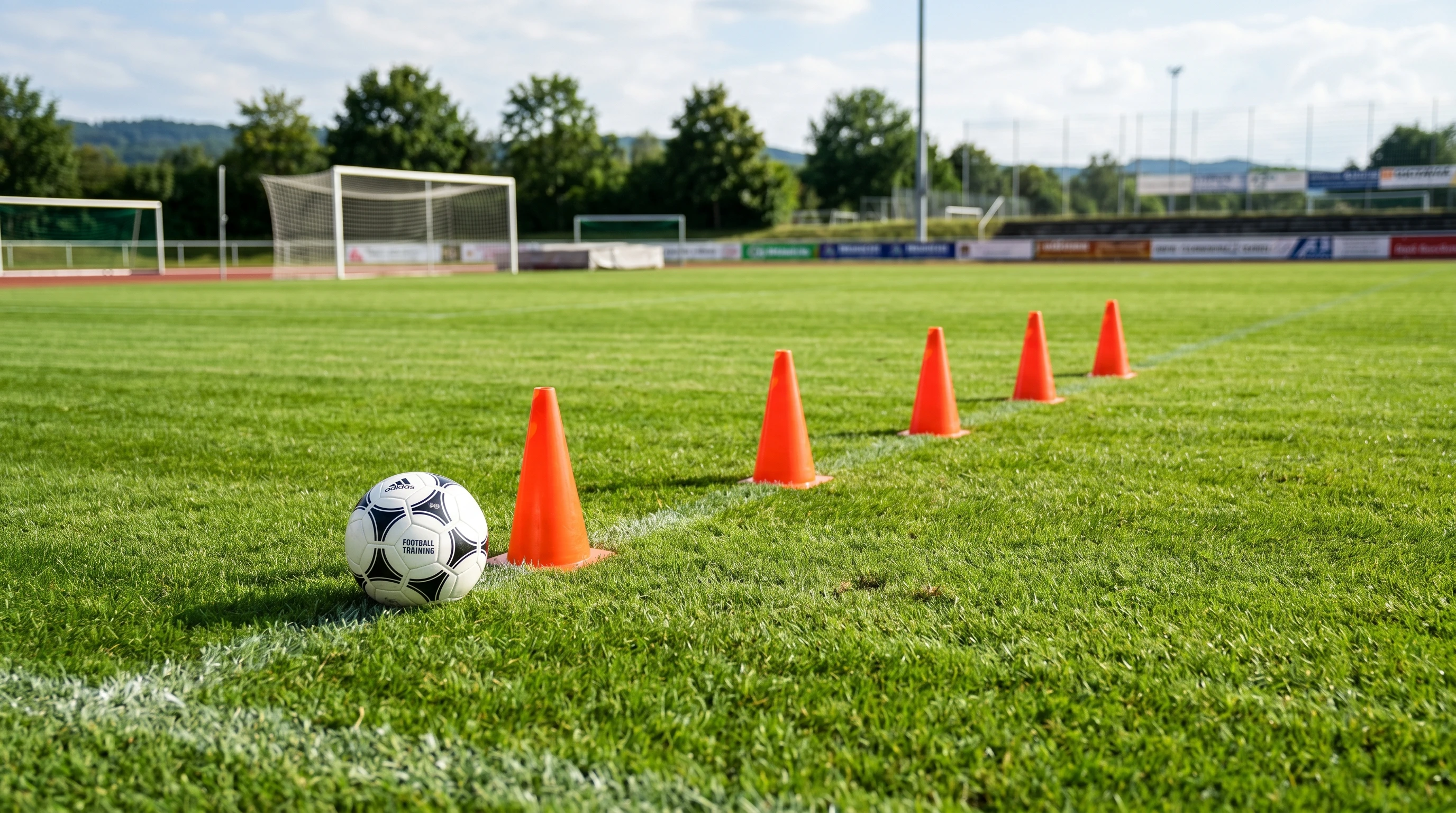
- CloseCut Changes: Place cones a few feet apart and practice weaving through them as tight as possible. Aim for quick cuts without losing the ball outside the cones.
- One Foot Sole Rolls: Gently roll the ball forward and backward with the sole of your right foot for 20 seconds, then switch to your left. Concentrate on smooth motion and balance. This drill trains quick adjustments and gives your supporting leg a workout too.
- Weak Foot Only Drills: Spend a few minutes each session using only your less dominant foot. Whether you’re doing toe taps, dribbling in a straight line, or juggling, the improvement over a few weeks is easy to spot on video reviews.
Using video with these drills gives you an outside perspective and helps pick up on poor habits faster than just practicing on your own. If you want to challenge yourself, try timing your drills and tracking how many clean touches you can get in 30 seconds, then aim to beat your score each week. Adding this element of friendly competition can boost your focus and enjoyment while practicing!
Things to Consider Before Signing Up for Online Coaching
Online soccer training isn’t one size fits all. A few things to think about when deciding if online coaching is for you:
- Equipment Needs: Minimally, you’ll want a soccer ball, several small objects (cones or water bottles), and a phone or tablet for filming. Some platforms need a subscription or app downloads, so double-check details first.
- Internet Access: Uploading and watching videos regularly is a part of most programs. A steady connection makes the back and forth easier and helps you get feedback quicker.
- Experience Level: Some online coaching is aimed at total beginners, while others get more advanced with tactics or highlevel technical work. Pick a coach or service that matches where your game is at right now.
- Coach Credentials: Not all online coaches offer the same level of insight. Look up their playing or coaching history and reviews from other players. The more you know about who’s on the other end, the better value you’ll get out of your training sessions.
- Learning Style: Consider if you’re more of a visual learner, someone who likes notes, or prefers live video chat. Many online programs now offer combinations, including slow motion video analysis and written tips tailored to your preferences.
Equipment Tips for Smooth Sessions
Clear video is really important. When I record, I set my phone on a tripod or lean it against something sturdy at about waist height, far enough back to capture the whole drill. Outdoor light helps, and I always check afterward that my touches are visible and the sounds aren’t drowned out by wind.
Balancing In Person and Online Practice
I find a mix of solo, online, and team training delivers the best results. Online sessions are perfect for technique, but you also want to test those skills under real game pressure. Share your solo progress with your team coach, too—they often have tips for blending your new skills into matches. Regularly switching things up between online drills, scrimmages, and team sessions helps every type of player build confidence while making training fun and sustainable over the long term.
Practical Applications: How Better Dribbling Changes Your Game
Improved ball control does more than help you avoid embarrassing turnovers. Here are a few ways sharper dribbling makes a difference on the field:
- Holding Possession Under Pressure: If you can keep the ball at your feet, defenders can’t knock it away easily, and you’ll set up better passes or shots on goal.
- Quicker Direction Changes: Good dribblers lose their marker faster and find space, which means they’re harder to defend against.
- More Confidence: It’s pretty simple. better control leads to more comfort on the ball, so you enjoy the game more and take bigger risks when it comes to taking on defenders or creating plays.
- Sparking Team Play: When you’re trusted to hold the ball, your teammates play off you better, leading to quicker passing and improved team dynamics. Plus, coaches love a player who can make something happen from a tricky situation!
Soccer at a high level is packed with moments where a splitsecond touch or dribble decides the outcome of a play. That’s why players who put in solo work, especially with helpful remote feedback, see faster improvements and more opportunities in games. In fact, many top players use home drills and video review to work on the tiniest details. so if the pros do it, there’s no reason not to give it a shot.
Recommended Affiliate Products for Beginner Soccer Players
You can naturally place these affiliate recommendations before the conclusion or in a “Recommended Gear” section:
Essential Soccer Training Gear
- ⚽ adidas Training Soccer Ball – Durable, reliable, and ideal for daily practice.
- 🥅 SKLZ Quickster Soccer Goal – Perfect for backyard shooting drills.
- 🔄 SKLZ Rebounder Net – Great for solo passing and first-touch training.
- 🔶 Agility Cones – Useful for dribbling, footwork, and speed drills.
- 👟 Nike or adidas Soccer Cleats – Improve traction and comfort during training and matches.
- 🦵 Soccer Shin Guards – Essential protection for beginners and competitive players.
- 🎒 Soccer Equipment Bag – Keeps all training gear organized and ready for practice.
Frequently Asked Questions
Here are a couple of questions I hear a lot from players taking their first steps with online ball control coaching:
Question: Can I actually get better at dribbling just by training online?
Answer: For sure! Repetition and honest feedback are what matter most. As long as you practice drills regularly and use your coach’s video pointers, you’ll see your touch and control improve.
Question: How long does it take to fix my poor first touch?
Answer: Everyone’s timeline is different. Some see clear progress within a few weeks, while others need more time. Staying consistent and reviewing your own video helps identify what to focus on each session.
Question: What if I don’t have a proper field?
Answer: Any open, flat area works. asphalt, backyard, garage. just make sure it’s safe. Most online control drills use small spaces, so you won’t need a full field to see results.
Bringing It All Together
Dribbling and ball control mistakes can really slow down a player’s progress. Working with an online coach, even just parttime, gives you focused feedback and practical drills you can try anywhere. By spotting your own habits on video and sticking with targeted exercises, you’ll notice a real improvement in touch, confidence, and creativity on the ball. Whether you’re just looking to stop giving the ball away or want to start playing like the pros you watch online, online coaching has something to offer at any skill level.
Keep pushing, get creative with your drills, and don’t get discouraged if those smooth touches don’t come overnight. steady effort and honest feedback are what help most players get where they want to go. With the comfortable pace and structure online coaching offers, you can fit training into your busy schedule and check out resources anytime you need them. Over time, these little efforts add up and transform your entire approach to soccer training and gameplay.