
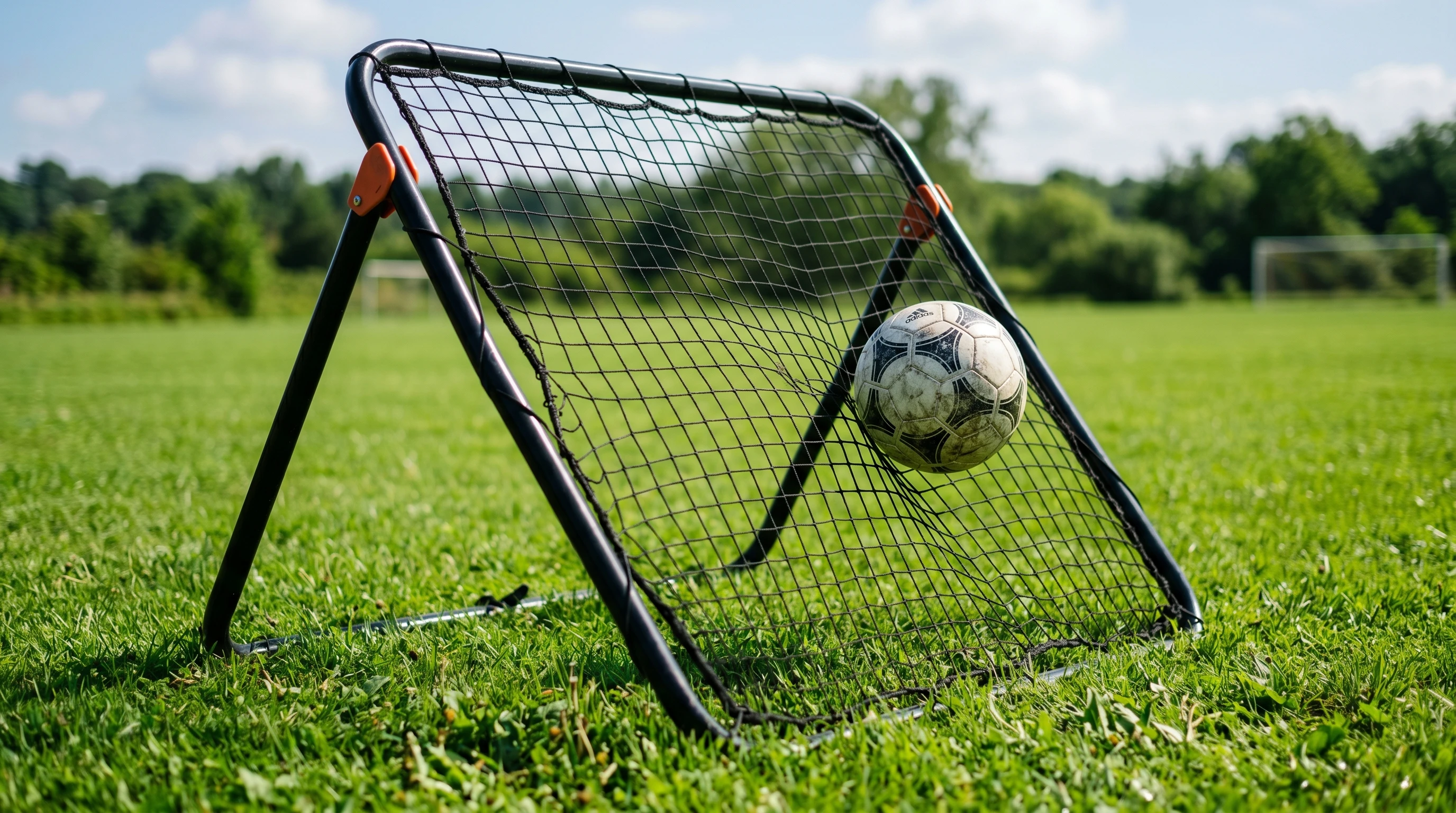
 Solo soccer training is all about giving yourself more chances to practice skills, sharpen your reactions, and build muscle memory. One tool that makes this kind of training super effective is a soccer rebounder net. It’s a portable and versatile piece of gear that helps players of all skill levels work on passing, shooting, ball control, and even goalie reflexes, all without needing a training partner.
If you want to get in extra touches, practice at home, or push your progress between team sessions, a rebounder net is a solid investment. You don’t need a huge yard or fancy setup to benefit either. The right net will fit anywhere, from a driveway to a backyard.
Here, I’m breaking down what makes a rebounder net worth your money, sharing handy tips for solo training, and reviewing a few of my favorites for different needs and budgets. Whether you’re a young player, an advanced athlete, or a parent shopping for your kid, you’ll find options and advice that can help you train smarter.
Affiliate Disclosure
Affiliate Disclosure: This article contains affiliate links. As an Amazon Associate, I may earn a commission from qualifying purchases at no additional cost to you. I only recommend soccer training equipment that I believe provides real value for improving skills, confidence, and performance on the field
1. Why a Soccer Rebounder Net Is Perfect for Solo Skill Building
Soccer rebounder nets aren’t just for passing time. They’re designed to help players work on technique and quick reactions by bouncing the ball back at game-like speeds. With the right net, you can improve first touch, passing accuracy, shooting, and aerial control—even if you’re practicing by yourself.
- Consistent feedback: The net bounces the ball back repeatedly so you can repeat drills and really lock in good habits.
- Works for all skill levels: From total beginners to serious players, rebounders can be tweaked for challenge and intensity.
- Makes practice more fun: Getting fast, unpredictable returns helps break up routine drills and keeps things exciting.
- Good for small spaces: A rebounder net is pretty compact, so you don’t need a fullsize field to get in hundreds of touches in a session.
In addition to these benefits, using a soccer rebounder net encourages you to stay active at your own pace. You can structure your sessions to focus on weaknesses or simply enjoy some skill time on your own schedule, which is especially useful for busy athletes or students. Many top youth players say using a rebounder every week is a big part of their personal improvement, and coaches often encourage it for increasing ball familiarity. These nets are practical tools that work just as well in tight urban spaces as they do on sprawling fields.
2. What to Look For in the Best Soccer Rebounders
Buying a soccer rebounder looks straightforward, but I always look out for a few key details. These points usually make the difference between a great net and one that just gathers dust in the garage.
- Size and portability: Choose a net size that fits your yard or training area. If you plan to move it around, check that it’s light enough and easy to assemble or fold.
- Sturdy frame: Metal frames last longer and handle hard shots better, but high quality plastic can work well for young players.
- Net tension: The tighter the net, the faster and cleaner the rebound. Adjustable tension is a bonus if you want to switch up your training pace.
- Adjustable angles: Some rebounders let you change the angle so you can practice high volleys, ground passes, or even goalie drills.
- Weather resistance: If you’ll leave your net outdoors, make sure it’s coated or treated to survive rain, sun, and wind.
While comparing models, think about who will use it most. If it’s for a child, lighter and more compact designs help with regular use. For competitive teens or adults, a sturdier steel frame and strong net tension are key. If storage is limited, folding legs or quick-disassembly options come in handy. Many nets now come with carrying bags, making transport between the park, driveway, or friend’s house smooth and stress free. Price can differ a lot, but the best rebounder for you is one that matches your training goals and fits your space.
3. My Top Soccer Rebounder Nets for Solo Training
There are tons of choices on the market, but only a few stand out as really reliable for serious or regular solo training. Here are three I think are worth checking out, each with its own perks:
Quick Play PRO Rebounder
- Sizes: Multiple, from 3’x3’ up to 7’x7’
- Features: Steel frame, quick fold down, adjustable angles, strong net tension
- Why I like it: It’s solid enough for powerful strikes, and you can angle it for both ground and aerial returns. Sets up fast and packs small for storage, so you don’t lose motivation dragging it out each session.
SKLZ Quickster Soccer Trainer
- Size: About 5’x3’
- Features: Two nets for ground and air rebounds, super quick assembly, lightweight
- Why I like it: Super portable and good for those with limited space. The dualnet design is pretty handy for mixing up passes and volleys. It’s a nice pick for younger players or anyone who wants to keep things simple.
PodiuMax Upgraded Portable Soccer Trainer
- Size: 4’x3’
- Features: High tension net, very lightweight, comes with carry bag
- Why I like it: Budget friendly and easy to move, this one is ideal for backyard use or quick setup at the park. It’s not as sturdy as steel frame models, but it’s good enough for moderate use without breaking the bank.
All of these rebounders have earned great reviews and are proven on real grass, turf, and driveways. When deciding, always consider what drills or skills you want to focus on—some nets excel at precise ground passes while others handle intense volleys. Also, read up on warranty policies, since frequent use may eventually wear down parts over several seasons.
4. Effective Solo Drills with a Soccer Rebounder
Just having a rebounder isn’t going to take your skills up a notch; you get out what you put in. Here are a few drill ideas I always recommend, whether you’re a beginner or looking for advanced challenges:
First Touch Control
- Stand 10-15 feet from the net, pass the ball in, and focus on cushioning the return with your foot, thigh, or chest.
- Alternate feet and surfaces to make sure you’re balanced going both directions.
Passing and Accuracy
- Mark a spot on the rebounder with some tape or chalk. Try to hit the target spot consistently while passing from different angles.
- Push yourself to use both your strong and weak foot. This is one of the best ways to get comfortable under pressure during real games.
Volley and Finishing Practice
- Angle the net to pop the ball up on the return, then practice volley shots, headers, or powerful finishing attempts.
- Set a timer and try to rack up as many quality touches as you can in a short period without losing control of the ball.
Goalkeeper Reflexes
- If you’re a keeper, stand opposite the net and toss or kick the ball in from different positions. React to whatever comes back, focusing on speed and positioning.
- Ask a friend or sibling to mix things up for even more game-realistic surprises during your session.
To get the most from your solo drills, video yourself and watch for weak points in your technique. Many athletes pick up subtle flaws or habits that are harder to track during regular team practices. Consistency is key. Even 20-30 minutes of focused solo work a couple of times per week can lead to noticeable gains in confidence and touch.
5. Care Tips and Safety for Your Rebounder Net
A soccer rebounder isn’t high maintenance, but basic care helps it last a long time:
- Check the net and frame after every use for any signs of wear. Replace any stretched netting or loose bolts quickly.
- Bring the net indoors during heavy storms or harsh winters to prevent rust or weather damage. This step helps preserve the frame and keeps the net tight for longer.
- Make sure the net is stable and weighted down if you’re training on windy days.
- Always set plenty of space behind and around the net to avoid chasing stray rebounds into traffic or hazards. If you have pets or younger kids playing nearby, keep them out of the zone during intense drills.
If you treat your rebounder with care, it can last for years—even with regular use. Occasionally wipe down the frame to remove dirt, and double-check any moving parts for rust or fatigue. A little attention after each session saves money and frustration in the long run.
Essential Training Equipment to Use with Your Rebounder
To get even more from your solo training sessions, consider adding these training tools:
- Soccer Training Cones
- Agility Ladder
- Size 5 Training Soccer Ball
- Portable Soccer Goal
- Speed and Agility Hurdles
- Soccer Training Vest Set
Final Thoughts
Investing in a soccer rebounder net is a low-stress way to build skills and give your training a boost during solo sessions. Consistent practice with a good rebounder can help anyone improve, from kids learning the basics to adult players chasing the next level. Focus on what works for your space, budget, and goals, and try a few creative drills to keep things fresh. I’d love to hear which model or training method works best for you or your player. Drop your experiences or questions below, and keep kicking toward better skills!