
Mental development often gets less attention than footwork or fitness in youth soccer, but it’s actually the foundation for building smarter, more adaptable players. Game intelligence isn’t just a natural gift; it’s shaped over time, especially during those early years when the brain is soaking up new skills and habits fast. This kind of growth can give young players an edge not only on the field but in other parts of life. Here’s my take on supporting and encouraging mental growth in youth soccer, complete with steps you can use right away.
Affiliate Disclosure
This article contains affiliate links. If you purchase through these links, we may earn a small commission at no extra cost to you. We only recommend products we genuinely believe support youth soccer development.
Why Game Intelligence Matters in Youth Soccer
Game intelligence describes how well a player can read situations, make decisions quickly, and adapt as play unfolds. In youth soccer, it appears in how kids position themselves, anticipate opponents’ moves, and pick the smartest passes. Even those who aren’t the fastest or most technically skilled can shine just by making solid choices on the field.
Growing this mental edge early means players are much more likely to contribute at higher levels as they grow older. Modern coaches and clubs realize that smart players with a sturdy mental toolkit tend to be more resilient, more creative, and easier to coach, leading to stronger teams overall.
Mental Skills Young Players Need Most
Mental skills, much like dribbling or shooting, can be practiced every day. Here are some of the important ones that help shape strong game intelligence in young players:
- Awareness: Seeing what’s happening everywhere on the pitch, not just following the ball.
- Decision making: Deciding when to pass, move, shoot, or hold possession based on what’s happening—sometimes in the blink of an eye.
- Problem solving: Working out how to react when something unexpected pops up during play.
- Focus: Keeping attention sharp, even when the game gets wild or a mistake happens.
- Confidence: Trusting in their own choices, even following a misstep.
- Soccer Intelligence for Youth Players – builds awareness and decision-making through real match scenarios
Building Decisionmaking Skills in Training
Good decision making forms the heart of game intelligence. Nobody is born with flawless decisions; they come with challenges and repetition. Some helpful training methods include:
- Small-sided games: These involve more touches and frequent decision making moments. With fewer players and tighter spaces, kids have to read the game and react quickly, helping them think more actively under pressure.
- Drills with options: Run practices where players have two or three choices—for example, they might decide between a forward pass, a dribble, or a safer sideways option. Sometimes I pause the drill and ask, “What else might you have tried here?”
- Guided questioning: Rather than just telling, I’ll ask things like, “What did you notice before making that pass?” or “Why did you choose that spot?” This gets players reflecting on their actions and learning for the next time.
Confidence and Handling Pressure
Pressure comes in all forms in youth soccer, from heated matches to tough practices. Players who keep calm and trust themselves make better calls and recover faster from mistakes. Here’s what works for me:
- Normalize mistakes: Everyone stumbles—even the pros. Reminding kids that mistakes help them learn takes away a lot of the fear.
- Positive support: I highlight smart choices, effort, and teamwork just as much as goals. This makes sure players feel acknowledged for the things that matter most.
- Simulate pressure: Short games with time crunches, score deficits, or mini-challenges create safe experiences with nerves. Facing these situations repeatedly gets players prepared for the real deal.
- Breathing and reset routines: Teaching basic breathing exercises or a quick mental reset helps younger players shake off errors and keep their minds in the game.
- 👉 Helpful Tool:
🧠 Mindset Training Cards for Youth Athletes
Role of Coach-Parent Communication in Mental Growth
It’s essential that coaches, parents, and players are all on the same page for steady mental progress. Here’s how I make sure support is aligned:
- Clear expectations: Early on, I talk with parents about how growth goes far beyond goals or wins. When parents cheer on teamwork and good decisions, it really sticks.
- Sharing progress updates: I give feedback not just about goals, but also about traits like awareness or resilience. This helps keep parents tuned in and players inspired to progress in more ways than one.
- Encourage self reflection: After matches, I’ll ask players and parents to point out a good choice or share something they noticed that made a difference to the team.
- Open conversations: If a player seems anxious or stuck, I touch base with parents to see if there’s anything they’ve noticed at home or at school. This teamwork helps craft better ways for each kid to thrive.
Common Challenges in Mental Growth and How to Handle Them
- Over instruction: Too many directions from the sidelines can freeze kids, making them rely too much on coaches. Some freedom, especially during practice, helps players trust their instincts.
- Negative self talk: Lots of players get embarrassed after messing up. I emphasize, “It happens, what’s your next move?” to keep their mindset on solutions rather than slip-ups.
- Wanting quick progress: Building mental skills takes time—some players get it quickly, while others develop confidence and awareness over a season or two. Patience is key.
Practical Activities to Give Youth Game Intelligence a Boost
- Video reviews: Watching quick clips together and pausing to ask, “What would you do here?” opens kids’ minds to the wider picture on the pitch.
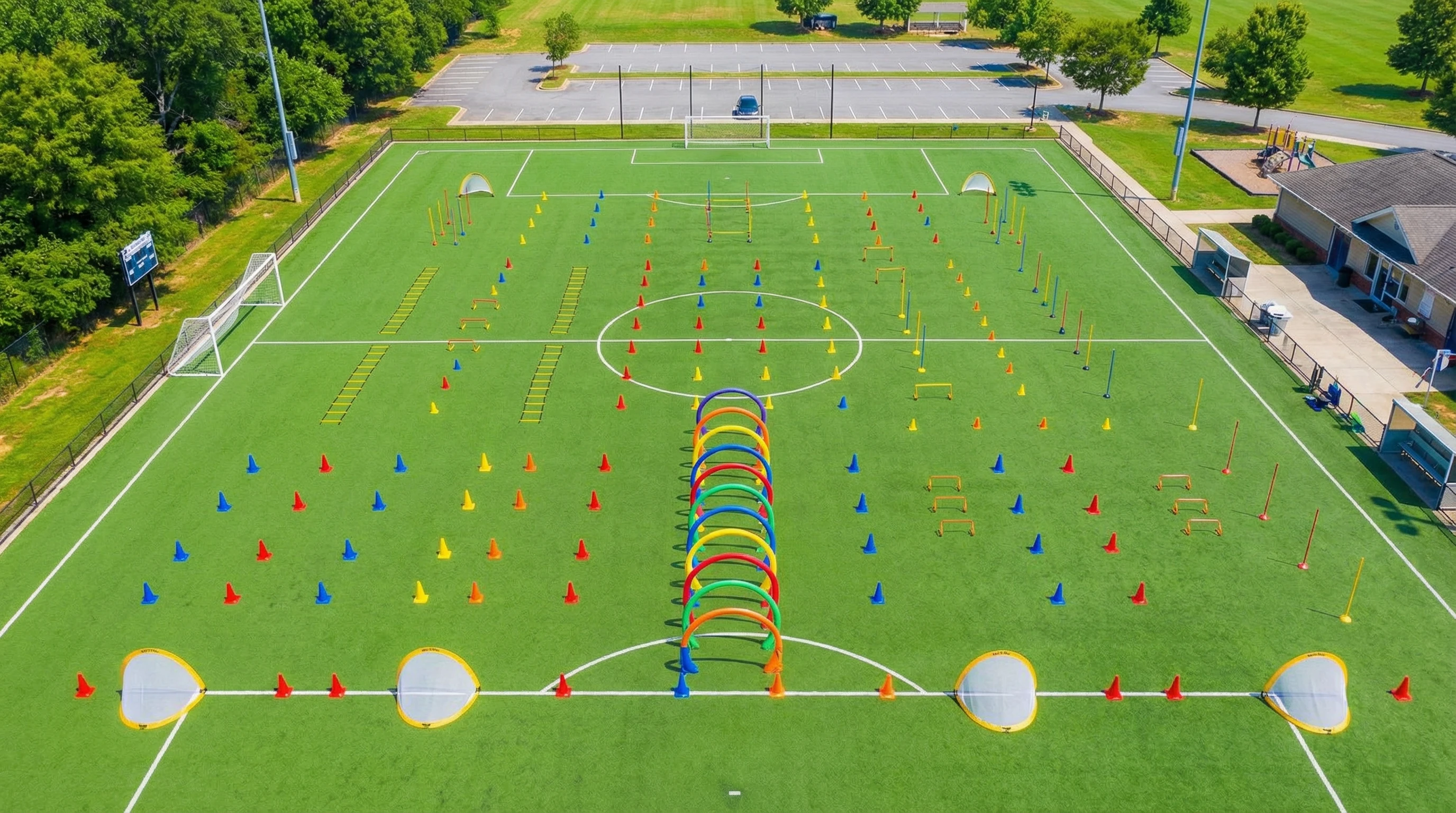
- Decision making relays: Set up different colored cones—for example, pass at yellow, dribble at red—which encourages instant choices and builds good habits under pressure.
- Tactical chats: After drills, I take a moment to talk about what worked. After a passing game, maybe we’ll discuss the value of moving into open space or calling for the ball to help the team.
- 👉 Coach Favorite:
🎥 CHECK FOR PRICE : Youth Soccer Tactical Board (Portable)
FAQs: Mental Growth in Youth Soccer
Question: How can I encourage my young player to think while playing, rather than just chasing the ball?
Answer: Try using stop-and-think drills or pause often to ask open-ended questions. If you consistently highlight smart plays, it will become a habit with time.
Question: What’s the best way to help a child who gets nervous during games?
Answer: Simple breathing routines, talking about nerves as normal, and focusing attention on a player’s positive moments rather than the final score can work wonders.
Question: Is game intelligence really something you can teach, or does it depend on natural ability?
Answer: You can absolutely nurture it. While some pick things up more naturally, every young player improves with practice in awareness, quick thinking, and reflection—steady encouragement is the secret.
Want to raise a smarter soccer player?
Explore our recommended youth soccer training books and tools designed to improve decision-making, confidence, and game awareness.
Building game intelligence early in soccer opens up a world of possibilities for young players. By focusing on awareness, smart decisions, and coping with pressure, while keeping coaches and parents moving in the same direction, kids can grow as both athletes and confident problem-solvers. The mental side is every bit as important as physical skills, and putting time into this area pays off for a lifetime, on and off the pitch.