
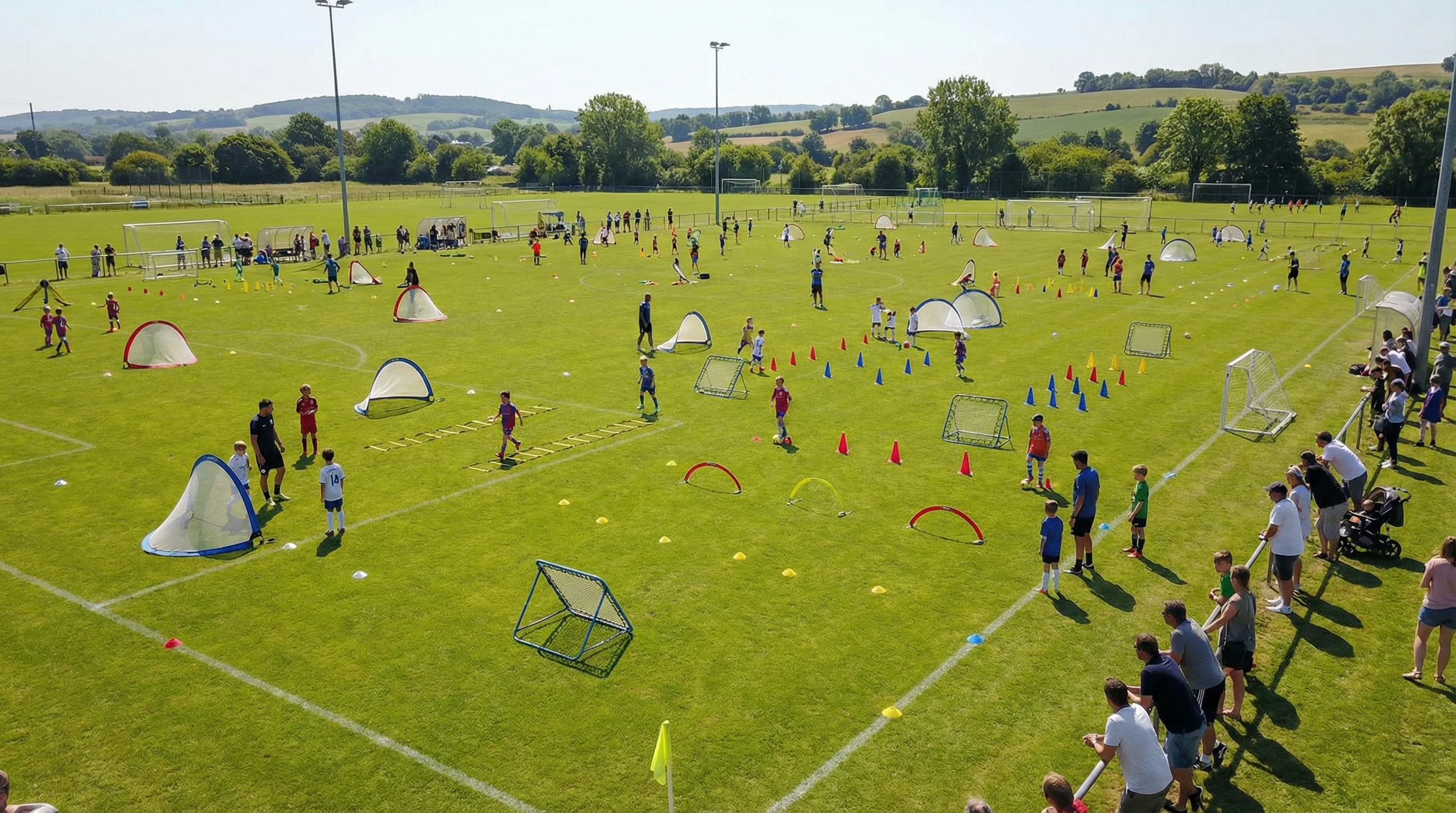
Organizing youth soccer practice isn’t just about running drills or scrimmaging for an hour. A solid structure creates a fun, safe, and learning-focused environment where kids not only build skills, but genuinely enjoy showing up. The setup can change a lot depending on the age group, so it pays to consider what works best for each developmental stage. Here’s how I break down youth soccer practice structures by age, with tips and real experience from years of being on the pitch with various age brackets.
Disclosure: This article may contain affiliate links. If you purchase through these links, we may earn a small commission at no extra cost to you. We only recommend soccer training tools and programs we believe genuinely support youth player development.
How Practice Structure Changes With Age
Understanding what kids need at different ages helps coaches, parents, and helpers deliver age appropriate practice sessions that keep everyone engaged. Soccer’s not just about learning skills; it’s also about social development, teamwork, and helping kids build confidence. The main switches by age revolve around attention span, physical development, and the reason they’re out there in the first place. So let’s break it down by general age groups.
Practice Structure for Kids Age 4-6 (U6)

Working with the youngest soccer players, I always focus on keeping things super simple and fun. Kids this age learn best by moving and playing, so rigid structure usually doesn’t hold their attention very long. At this level, practices aren’t long; usually 30 to 45 minutes is plenty.
- Warm up (5 minutes): Start with tag games or freeze dance. The idea is to get bodies moving, not worry about drills.
- Basic Ball Skills (10-15 minutes): Simple activities like dribbling through cones or “Red Light, Green Light” with a ball at their feet work well. Keeping every kid with their own ball helps them stay involved.
- Fun Games with the Ball (10-15 minutes): Games like “sharks and minnows,” where some kids dribble while others “chase,” let them practice control and agility without even realizing they’re working on soccer skills.
- Mini Scrimmage (10 minutes): Usually small sided, like 3 vs. 3. No positions or goals, just everyone getting a turn with the ball.
- Wrap up and Cheer (5 minutes): End with a quick huddle, high fives, and praise for effort over performance.
The best thing I’ve seen in this age group is energy and inclusion. The emphasis is on fun, not tactics or results.
Recommended Beginner Training Tools
- ⚽ Size 3 Youth Soccer Ball
- 🥅 Pop-Up Soccer Goals
- 🟠 Training Cones Set
- 📘 Fun Soccer Games for Kids (Coaching Guide)
👉 [Check Beginner Soccer Training Tools Here]
Practice Structure for Kids Age 7-9 (U8-U10)
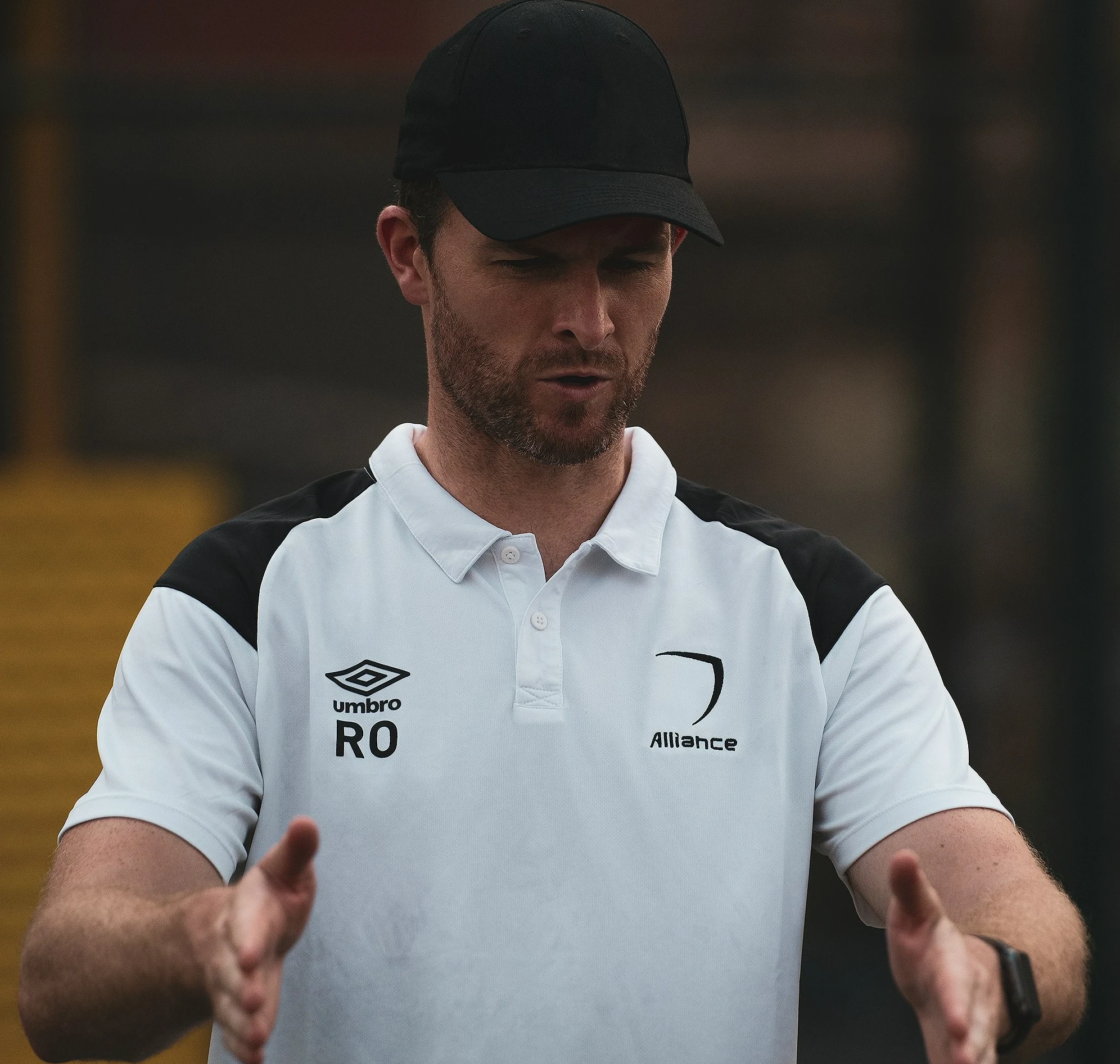
By the time kids reach this stage, they’re often ready for a bit more structure and are eager to try real soccer moves. Practices can stretch out to 60 minutes (sometimes a little longer), but keeping up the pace and variety matters a lot. Here’s what I’ve found works well:
- Dynamic Warm up (10 minutes): Activities like relays or follow the leader. It’s still playful, but gets everyone focused and moving in soccer specific ways.
- Technical Skills (15-20 minutes): Short rotations between stations: say, dribbling, passing, and shooting. I’ve had success splitting kids into small groups, each with their own focus, and rotating every few minutes so it never gets dull.
- Skill Challenge or Game (10-15 minutes): Soccer tennis, shooting competitions, or passing “knockout” games keep things competitive but friendly.
- Small sided Scrimmage (15-20 minutes): 4 vs. 4 or 5 vs. 5 with plenty of touches. I encourage trying the skills we’ve covered. Limiting stoppages and letting play flow keeps engagement high.
- Team Chat and Cool Down (5 minutes): I like ending with a team circle, quick feedback, and a few stretches. Kids this age enjoy feeling included and heard.
This is the age where players start developing favorites— favorite positions, moves, or even teammates. Encouraging them to try everything gives them confidence and helps keep them open minded.
Skill Development Essentials
- Agility Ladder for Footwork
- Rebounder Net Trainer
- Ball Mastery Training Program (Digital Course)
- Dribbling Cone Set
👉 [Explore Skill Development Tools]
Practice Structure for Kids Age 10-12 (U12)
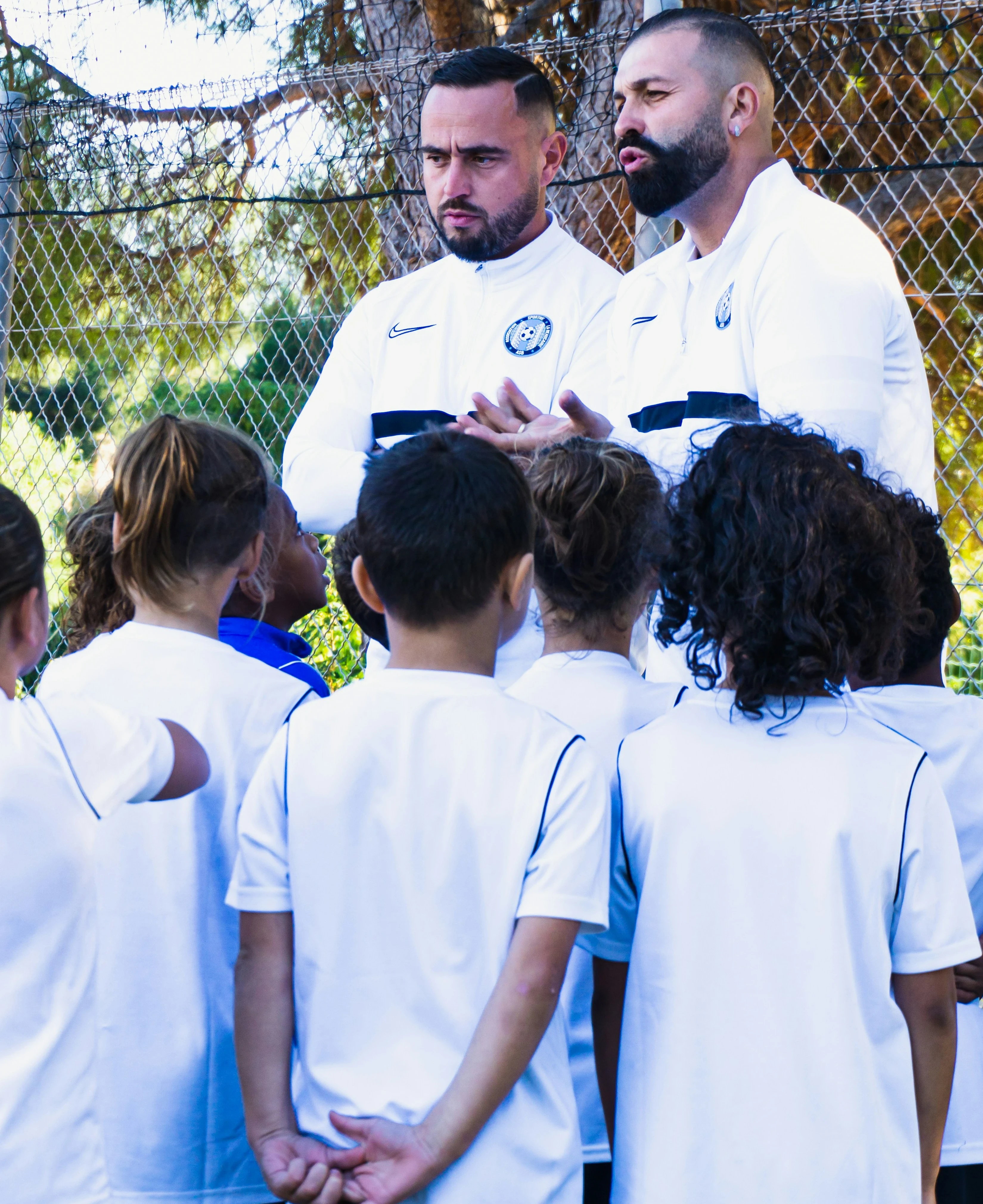
Players at this stage are more aware of the game and can start handling a bit more complexity. It’s a sweet spot for both skill development and teamwork. Practice nudges toward 75-90 minutes, but intensity, focus, and variety help the session fly by.
- Warm up With the Ball (10-12 minutes): Typical dynamic warm ups now include the ball; things like ball mastery, partner passing, or dribbling with changes of direction. Linking warm up activities directly to skills practiced later keeps kids on their toes.
- Technical and Tactical Drills (20-25 minutes): Half the group may focus on dribbling and foot skills, while the other half works on combination play or defending basics. Switching halfway through gives exposure to both. Kids start applying skills to actual gameplay.
- Conditioned Games (15-20 minutes): Small sided setups with extra rules, maybe two touch play, or requiring a certain number of passes before scoring. This is where game understanding builds fast.
- Expanded Scrimmage (20-25 minutes): A game like environment, maybe 7 vs. 7. Set up periodic “coaching stops” to talk about positioning, decision making, or movement off the ball.
- Reflection and Cool Down (5-10 minutes): Kids this age want real feedback. I open it up for questions or highlights from the session. Cool down can double as team bonding before everyone heads home.
By this age, some players may think about playing more competitively. Balancing skill building, fun, and game awareness is super important to keep everyone motivated and coming back.
Tactical & IQ Development
- Soccer IQ Training Workbook
- Coaching Clipboard & Tactical Board
- Passing & First Touch Training Guide
- At-Home Technical Training Program
👉 [View Tactical Development Resources]
Practice Tweaks for Teens (Ages 13+)
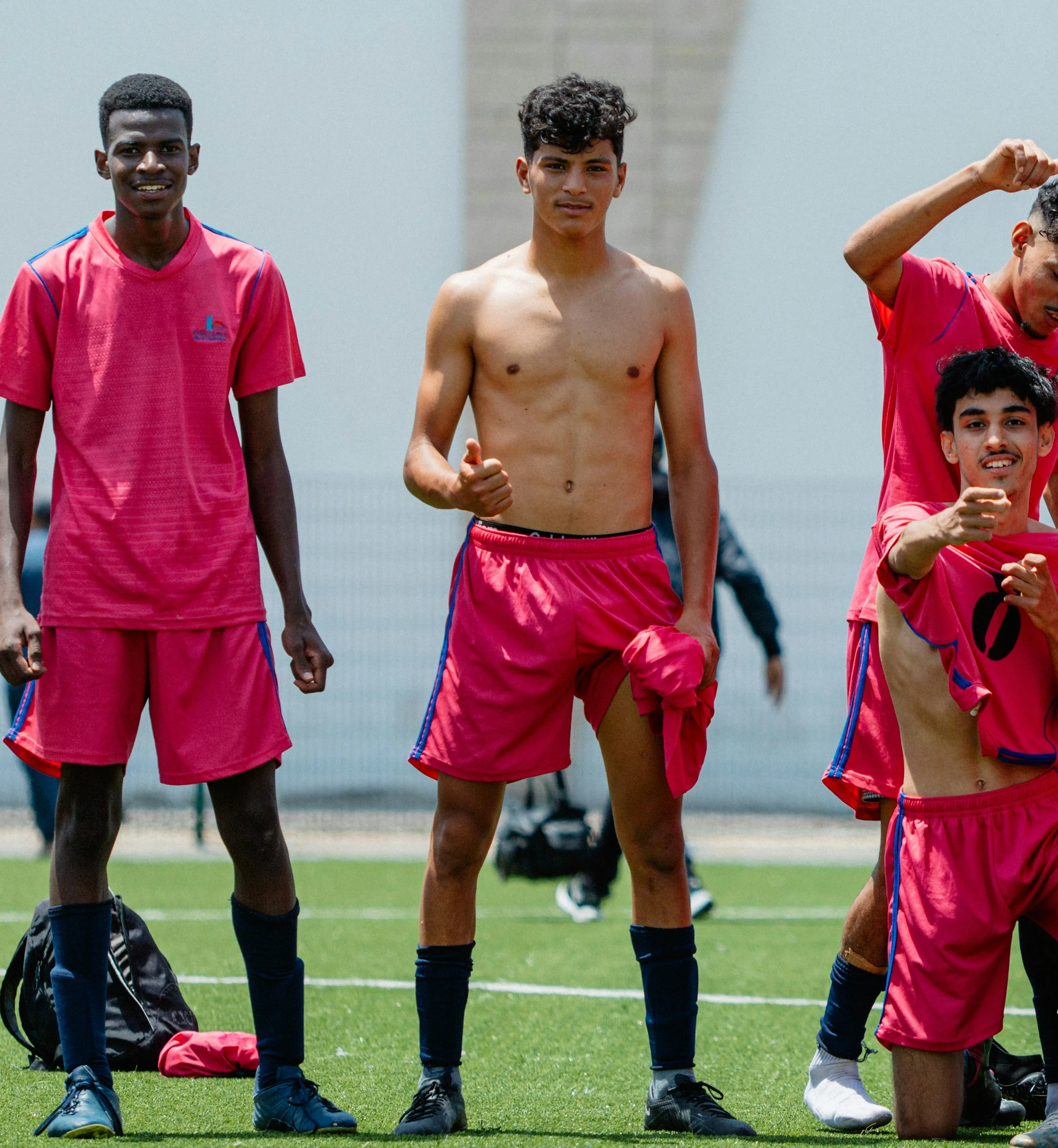
Teen soccer players are ready for advanced drills, tactical work, and physical conditioning. Practice usually runs 90 minutes or a bit longer, and quality is more important than quantity. Player input becomes really valuable here, too.
- Proper Physical Warm up and Mobility (10-15 minutes): Includes dynamic stretching, running, and activation routines. Preventing injury takes center stage at this age.
- Technical Tune up (10-15 minutes): Fast paced passing grids or shooting reps. Still plenty of touches, but with pointed, specific feedback.
- Tactical Walkthroughs or Set Pieces (15-20 minutes): Working through formations, pressing triggers, or defensive shape. This is the time for diagrams, cones, and bigger picture thinking.
- Situational or Conditioned Games (15-20 minutes): 5 vs. 5 transition games, or keep away drills with tactical goals (like create overloads or build from the back).
- Full sided Scrimmage (20-30 minutes): A focus on implementing tactical points worked on earlier. Coach input is shorter and more focused between phases of play.
- Team Talk and Recovery Cool down (10 minutes): Wrap up with a team discussion. A mix of individual and team feedback works best. Cool down can include basic stretching or light jogging.
Teens benefit from open communication. I always invite them to share what they’d like to work on, talk about challenges, or celebrate even small wins as a group. Including their goals and feedback can really give a boost to their commitment.
Academy & Competitive Prep
- Strength & Conditioning Program for Soccer
- Speed Training Parachute
- Resistance Bands for Soccer
- Mental Toughness Training Course
👉 [Explore Academy Prep Programs]
Tips For Coaches to Keep Practice Engaging
- Keep Things Moving: Downtime loses kids, especially the younger ones. I prep all equipment beforehand, and use visual aids (like cones and pinnies) to show the next activity quickly.
- Make it Gamelike: Kids love the excitement of playing. Gamebased drills are more memorable and help everything stick.
- Focus on Small Wins: Celebrate progress, not just goals or wins. A good first touch or a clever pass deserves just as much praise as scoring a goal.
- Encourage Questions and Creativity: Ask players what they want to work on. Sometimes their ideas are the best ones. Opening up for suggestions gets them involved and sometimes uncovers hidden leadership skills.
Along with these ideas, it’s important to adapt your approach based on what works for your unique group. Being flexible, welcoming input, and making changes on the fly keeps things lively and fun for everyone.
Common Challenges At Different Ages (And How to Handle Them)
Staying Focused
Short attention spans in younger ages are totally normal. I use quick transitions, lots of movement, and positive reinforcement. Mixing up activities every 5 to 10 minutes helps, and including plenty of opportunities for kids to get involved keeps energy up.
Dealing With Frustration
Older kids can get frustrated when they don’t master something fast. It’s helpful to break skills down into steps and praise effort, not just outcome. Sharing my own stories about struggling with new skills often helps them relate and feel understood.
Participation Gaps
Some kids are naturally more involved than others. I try to set up activities where every player gets plenty of touches and is urged to try. Rotating roles and teams each week helps players mix and builds new connections. Including everyone and giving encouraging feedback can even the playing field for quieter participants.
Frequently Asked Questions
Question: What’s the best way to keep young kids interested in practice?
Answer: Short, fun activities that include everyone are really effective. Avoid lines, waiting, or lots of talking; let them play and move. Keep instructions simple and the pace upbeat so no one feels left out.
Question: How long should practices be for different age groups?
Answer: Under 6 years: 30-45 minutes. Ages 7-9: 60 minutes. Ages 10-12: up to 90 minutes. Teen players: 90+ minutes, depending on level and league.
Question: When should tactics or positions be introduced?
Answer: Around age 10 or 11, it’s a good idea to start including tactical ideas like basic positions and spacing while still encouraging freedom. Earlier ages shouldn’t worry about positions; focus on playing and having fun! Emphasize creativity and give kids a chance to try all roles.
Wrapping Up
If you’re unsure whether your child is progressing correctly for their age group, check out our complete guide on Academy Readiness & Development Milestones.
Practice structure in youth soccer is all about matching activities to the age and stage the kids are at. A flexible, well mapped session keeps training fun and valuable, which is really important for long term enjoyment and growth. Whether you’re coaching a bunch of four year olds just learning to kick or a team of motivated teens eyeing the next level, understanding how structure changes by age can make every practice a hit. Keep the focus on growth, fun, and helping kids love the game— that’s the mark of a great coach. Stay open to new ideas and adjust as you go to create the best experience for everyone involved.