

Staying fit for soccer is about more than just running laps or hitting the gym every once in a while. Building real match fitness is a constant process, and it’s pretty easy to slip into habits that slow down your progress or leave you tired on game day.
If you notice yourself dragging toward the end of matches, getting sidelined by cramps, or never quite feeling “match sharp,” you’re definitely not the only one. Most players (yes, even the dedicated ones) make mistakes that hold back their fitness. The good news is these mistakes are fixable.
I’m breaking down the top soccer fitness mistakes I’ve seen players make, plus real advice on how to dodge them. If you want to boost your endurance and get an edge over your competition, these tips are for you.
📌 Affiliate Disclosure
This post contains affiliate links. As an Amazon Associate, we earn from qualifying purchases at no extra cost to you. These products are carefully selected to support coaches with practical, proven resources.
1. Ignoring the Need for Sport Specific Fitness

Soccer demands a special mix of strength, speed, and stamina. Just jogging every day or maxing out on the bench press isn’t enough. “General fitness” can’t mimic the quick changes of pace, sprints, and recovery needed throughout a soccer match.
Many players just focus on one type of training, usually distance running or strength work. This builds a fitness base, but it doesn’t prepare you for the high intensity actions of soccer. That’s why players often feel great in warmups but start to fade when games get intense.
Better Approach:
- Mix in soccer style intervals (sprints and rest, repeated).
- Use agility ladders, cone drills, and short shuttle runs that mimic match movement.
- Include bodyweight exercises, balance drills, and even ball work to keep your training game ready.
The more you make your fitness training resemble what actually happens in a match, the better your performance will be.
2. Overtraining or Undertraining Without a Plan
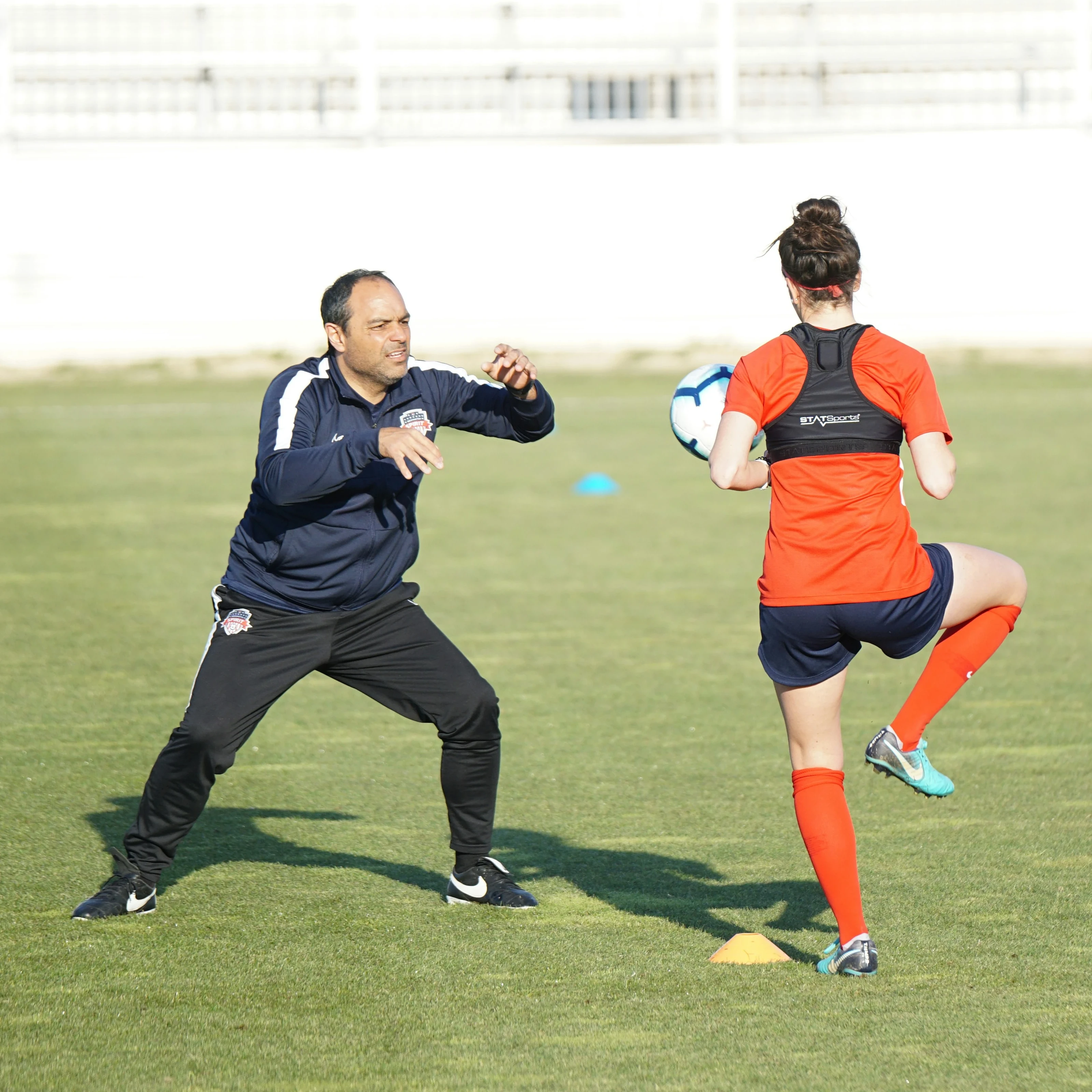
Some players train too much, thinking extra effort always leads to better results. Others barely train outside of practice, hoping to save energy for game days. Both approaches backfire over time.
Overtraining leads to burnout and injury. Your body needs rest to recover and get stronger. Undertraining, on the other hand, leaves gaps in fitness that show up when you’re chasing back late in a match.
Spotting the Problem:
- If you’re constantly tired, sore, or picking up small injuries, you might be overtraining.
- If you gasp for air after a short sprint or can’t keep up with teammates, your training may not be enough.
Getting It Right:
Schedule regular sessions, build in rest days, and focus on quality rather than just quantity of work. Having a simple game plan takes away the guesswork about how much is enough. You can also check in with a coach or trusted teammate if you’re not sure whether to push harder or take a night off. Many elite players use heart rate monitors or fitness apps to measure whether they’re overdoing it or not quite pushing enough. Even jotting down how you feel after workouts can help you track trends and adjust accordingly.
Heart Rate Monitor or Fitness Tracker – Helps you train smarter, not harder.
3. Skipping the Warm Up or Cool Down
Jumping straight into training or games without warming up is super common, especially when time is tight. Many players also skip the cool down as soon as the final whistle sounds.
A good warm up preps your muscles and joints, lowers your risk of injury, and helps you perform better from the very first minute. Cooling down helps your body recover, loosen up tight spots, and keeps delayed soreness at bay.
Tips That Work:
- Start with dynamic stretches, light jogging, or ball work before hitting match pace.
- Finish sessions with easy jogging and static stretches, especially for hamstrings, calves, and hips.
Even five minutes before and after can make a real difference over the season. If you struggle to stick to warm ups or cool downs, try making it a team ritual or setting a playlist that fits the perfect timing.
4. Forgetting About Nutrition and Hydration
No matter how much you train, eating poorly and skimping on fluids will drag down your performance. Soccer players burn serious calories and sweat a lot, so mistakes like skipping meals, downing energy drinks, or playing on an empty stomach are pretty common.
Dehydration cuts your endurance fast and increases the chances of muscle cramps. Junk food leaves you sluggish and doesn’t help your body recover. Proper fuel and hydration—before, during, and after games—make a huge difference.
What I Recommend:
- Eat balanced meals with protein, complex carbs, fruits, and veggies, especially after tough sessions.
- Drink water throughout the day, not just before or after games.
- Skip heavy or greasy foods right before playing.
- If you sweat a lot, add a little salt or drink a sports beverage with electrolytes after games to replace what you lost.
Small changes in your diet and hydration routine often have a big impact on how you feel on the pitch. Think of eating well as another part of your training plan, not just something to do when you remember.
5. Neglecting Recovery and Sleep
Training hard but never taking time to rest is a mistake I see all the time. Without quality recovery, your muscles stay sore, your reaction times slow, and it’s a lot easier to get injured.
Many players also cut their sleep short for school, work, or just late night screen time. That missed sleep piles up and leaves you flat come practice or match day.
Best Recovery Habits:
- Make sleep a priority. Aim for 7-9 hours, especially before games.
- Use ice, stretching, foam rolling, or even just putting your feet up after heavy sessions.
- Listen to your body. Rest days help you come back stronger.
- Try relaxation techniques like deep breathing or gentle stretching before bed to help you fall asleep easier.
Remember, good sleep also boosts your mood and mental focus. Making rest part of your regular schedule is important for staying healthy and sharp during the whole season.
6. Relying Only on Team Training
Team practices are useful, but they’re usually focused on strategy, tactics, or technical drills, not pure physical conditioning. Relying only on team practice means you might miss out on the fitness edge you need.
If you want to stand out, adding solo or small group fitness work is the way to go. This is especially important for players aiming to move to the next level or recovering from a slump in form.
How to Supplement:
- Schedule regular personal workouts, such as intervals, circuits, endurance runs, or agility drills.
- Track your progress. Fitness apps and simple journals can help you measure improvements and stay motivated.
- Find a buddy for extra accountability—a training partner can keep things fun and help you push through tough days.
Making time for solo work is easier than you think. You can fit it in on rest days from team practice, or on lighter training days. Even a 20-minute session done regularly adds up fast. Over a few weeks, you’ll notice a real boost in stamina and recovery during actual games.
7. Underestimating Flexibility and Mobility
Most soccer players focus on running faster or getting stronger, but flexibility and mobility matter just as much for both fitness and injury prevention. Forgetting about these can limit your athletic ability and raise chances for muscle pulls or joint issues.
What Helps Most:
- Static and dynamic stretching, especially for hips, quads, hamstrings, and calves.
- Simple yoga or mobility routines added to your weekly schedule.
- Foam rolling or massage, if your muscles feel extra tight.
Flexibility training doesn’t have to take long. Just add it after regular workouts or before bed. Sticking with it keeps you feeling smooth and free moving on the pitch. Over time, you’ll also find your stride and overall movement get a lot better in matches.
👉 Recommended Resource:
📘 SoccerTutor – Coaching Tactics & Training Manuals
Perfect for coaches looking for ready-made drills, tactical diagrams, and session plans.
 Check SoccerTutor coaching resources here
8. Developing Tactical Awareness in Young Players
Tactical understanding should start early. Young players can grasp pressing, spacing, and movement when taught the right way.
Youth Coaching Tips
- Use small-sided games to encourage quick decisions
- Ask guided questions instead of constant instructions
- Keep sessions fun, competitive, and engaging
Confidence and creativity grow when players are allowed to think for themselves — with smart guidance.
🎯 Recommended Affiliate Product for Coaches
📘 Soccer Coaching Tactics Board & Training Planner
A must-have tool for organizing sessions, explaining tactics, and planning matches clearly.
✅ Perfect for:
- Match-day preparation
- Tactical explanations
- Training organization
View Soccer Coaching Tactics Board on Amazon
Final Thoughts
Getting fit for soccer is about working smart, listening to your body, and training with purpose, not just doing more for the sake of it. Avoiding these common mistakes goes a long way toward boosting your consistency, confidence, and stamina in every match. The fitness habits you start today make a huge difference a few months down the road.
🔥 Ready to take your soccer fitness to the next level?
Start by fixing just one mistake from this list this week.
👉 Check out the recommended training and recovery tools above to support your journey
👉 Bookmark this guide and revisit it throughout the season
👉 Share it with a teammate who always fades late in games 😉
Train smart. Stay consistent. Dominate for 90 minutes. ⚽💪
Which of these soccer fitness tips will you try first? I’d love to hear how your game changes!