If you want to coach soccer with impact and develop players who can truly read, adapt, and influence a match, you’ll want to understand Tactical Periodization. It’s a method for shaping tactical understanding and performance in a super organized, realistic, and game-like way. I’ve spent a lot of time working with different teams, and no other approach has made me rethink my training plans quite like this one.
Here’s a quick breakdown of key points to get you oriented, then I’ll dig into what Tactical Periodization actually is, how it works, and why so many top coaches back it.
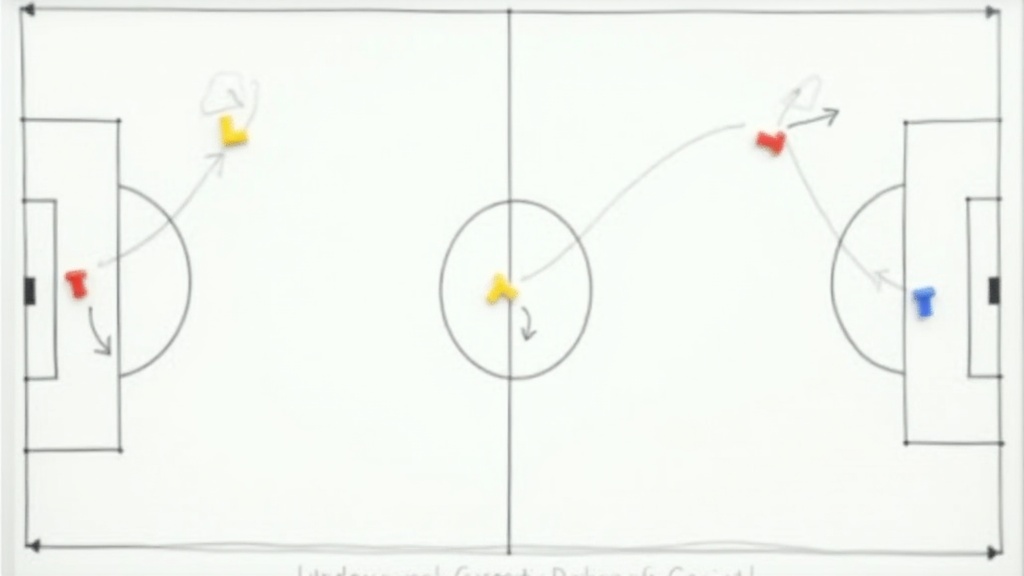
Tactical Periodization Quick Facts
Core Idea: All training sessions are built around your game model (the way you want your team to play in real matches).
Origin: Developed by Vítor Frade (FC Porto), popularized by elite coaches like Mourinho.
Benefits: Boosts tactical intelligence, sharpens physical fitness, reduces injury risk through careful planning.
Key Focus: Tactics control everything: Physical work, technique, and mental skills are all shaped around tactical habits.
Recommended Resource: Tactical Periodization Resources at SoccerTutor
I’m going to break down exactly how this method works, what sets it apart from more traditional soccer training, and give you plenty of practical guidance for using it yourself. If you want players who really get your game model and are ready for the real thing, this is worth checking out.
What Is Tactical Periodization?
Tactical Periodization is a type of training method built around one main idea: The way your team trains always matches the way you want your team to play. Instead of separating fitness, technique, and tactics into different sessions, you build every single drill, exercise, and plan around tactical realities of your game.
The system was originally developed by Professor Vítor Frade at FC Porto in Portugal in the 1980s. It became famous after it was picked up by big names like José Mourinho and Andre Villas-Boas, among others. I’ll be honest, I was skeptical at first, coming from an oldschool background, but once I tried merging my physical and tactical work the way Tactical Periodization recommends, things started to click for my squads.
What you get with Tactical Periodization isn’t just a fresh way to schedule training. It’s a blueprint for developing “football brains.” Every training session targets the tactical ideas you want players to master, so they start making great choices fast under pressure.
Meet the Creator: Vítor Frade and the Rise of This Method
Any real credit for this idea goes to Vítor Frade. Professor Frade worked at FC Porto and brought this idea to life well before it got popular with Champions League winners. While Mourinho and Villas-Boas put Tactical Periodization in the spotlight, Frade was the one building the foundations.
If you’re into deep reading, you’ll see Frade compared tactical learning to language learning: Just like grammar is best learned in sentences, not isolated word drills, tactics are best learned in realistic, game-like situations, not isolated sprints or cone drills. That stuck with me when I first started using this approach.
Here’s a bit of what sets the key people and roots of the method apart:
- Frade: Focused on how different aspects of play, tactics, physical, technical, mental, are always blended in a match. Training should match that.
- Mourinho: Used Tactical Periodization to guide Real Madrid and Chelsea to big results, famously never doing isolated physical fitness without a tactical purpose.
- Modern Spanish and Portuguese Coaches: Many top academies and pro teams use Tactical Periodization roots now to build youth talent.
This approach is now global, and you’ll find elements of it wherever youth academies care about developing smart players.
Check out all-in-one guides and session designs at SoccerTutor here
Key Principles of Tactical Periodization
I started out treating Tactical Periodization as just another word for “tactics training.” It’s a lot more specific. If you boil it down, there are a few pillars:
- Everything is Built on Your Game Model: That’s your team’s understanding of how you want to play—style, formation, moments of the game.
- Four Main Moments: Coaches plan training around four key moments: Attacking, Defending, Transition to Attack, and Transition to Defend.
- No Isolated Training: You never train fitness or technique alone. Every drill includes a mix—tactical, technical, physical, and mental.
- Specificity: Each exercise must reflect the same demands—physical, technical, mental, tactical—that you want in a real game.
- Periodization by Intensity: There is a weekly (microcycle) plan that organizes big sessions, recovery, tactical detail, and match readiness.
This is different from how I was taught. One day you’d run laps for physical, next might be passing lines for technique, and then maybe a scrimmage for tactics. In Tactical Periodization, these all blend together in one session.
The Four Moments of the Game
Your training sessions are always connected to at least one (sometimes more) of these game moments:
- Attacking: What you do as a team in possession. This is how you build up, create chances, stretch opponents, and finish.
- Defending: Actions your team takes without the ball. Pressure, compactness, winning it back, controlling space.
- Transition to Attack: What you do instantly after winning the ball. Counter, secure, or hold.
- Transition to Defend: What you do instantly after losing the ball. Immediate pressure, regroup, tactical fouls.
By making each day in the week focus on a single main moment, players learn habits calmly and clearly, without switching back and forth in the same session. This single focus, day by day, builds real clarity for your squad.
Why Specificity Is So Important
Specificity means you only develop skills in the exact way you plan to use them on game day. Instead of generic fitness, you’ll do sprints inside a tactical pressing drill, with targets, direction, and purpose matching real match demands.
Here are some easy examples I like:
- If your game model is high pressing, your main fitness work comes inside pressing drills and not generic sprinting laps.
- If you want possession based play, your rondos, buildup games, and technical drills are always constrained by in-game information, like space and opposition, etc.
It’s a rock-solid way to make sure that everything you do in training actually improves how your team plays a match.
How Tactical Periodization Looks in a Typical Week
This was the big game-changer for me. Tactical Periodization isn’t just about choosing good drills. It’s a whole way of mapping out your week. The classic weekly training cycle (microcycle) leads up to the match day. Here’s a quick look at how a “typical week” might be set up for a Saturday game:
- MD-4 (Tuesday): Focus on the main collective attacking concepts. Large spaces, higher intensity, lower fatigue from the weekend.
- MD-3 (Wednesday): Defending themes, slightly smaller spaces, more detail to lines and compactness.
- MD-2 (Thursday): Transition work (both ways), explosive fitness within transitions, reduced space for quick reactions.
- MD-1 (Friday): Pre-game rehearsal, tactical walkthrough, set pieces, low intensity work, maximize freshness.
- MD (Saturday): Match day.
- MD+1 (Sunday): Recovery for those who played, small group technical or tactical for others.
The main point is that every session is connected not just to a random skill, but directly to your tactical game plan for the weekend. So if you want your players to master a 4-3-3 high press, you design your attacking sessions and defensive sessions to reflect those exact moments, not generic 1v1s or fitness laps.
Example Weekly Map
Here’s a sample plan I’ve used with my own teams:
- Monday: Rest or Recovery
- Tuesday: Main Team Attack (possession patterns, positional play)
- Wednesday: Main Team Defend (organization, lines, pressing triggers)
- Thursday: Transitions (small sided, high speed action, reaction drills)
- Friday: “Clean up,” tactical fixes, set pieces, match rehearsal
- Saturday: Match Day
You can adjust this based on your group’s age and physical needs, but the idea is to have a main “focus moment” each day and link all learning to the weekend’s game model.
Building Your Game Model (The First Step Everyone Needs)
Everything in Tactical Periodization hinges on your “game model.” This is way more than picking a 4-3-3 or a 3-5-2 formation. Your game model is an allinone blueprint for:
- How you want your team to play in possession, out of possession, and in both transitions.
- What your priorities are for each phase (High press? Sit deep? Fast counters?).
- What roles you expect from every player in every tactical situation.
I used to think of my game model in broad strokes, but this approach pushed me to get super specific. For example, it’s not enough to say “press high,” you need to answer:
- Who initiates the press?
- How do midfielders support the press?
- What triggers pressing or dropping?
Once you have these details on paper, every part of your week can be connected to them. Players then get loads of repetition, feedback, and tactical thinking that actually lines up with match day.
If you’re coming from a more traditional background, it can take a while to build out your game model with this kind of depth. But trust me, it’s worth the effort. There’s a great resource at SoccerTutor for detailed examples, templates, and guides.
How to Integrate Physical, Technical, and Psychological Elements
This was the biggest change to my coaching routine. Traditional methods often have a “fitness day,” a “skills day,” and then a tactics walkthrough later. Tactical Periodization insists that none of these elements are ever separate.
Physical Demands
Physical work like fitness, endurance, speed is always wrapped inside context. So, if I want my players sharp enough to transition from attack to defense, I’ll create a drill that involves quick ball loss, instant sprinting, and recovery in a game-like shape, not just open field sprints.
Technical Demands
Ball work and technical skills are always applied in real game situations, under real pressure. No more disconnected passing lines, everything involves opposition, decision making, and real movement.
Psychological Demands
Players get used to the mental intensity and concentration needed in matches, since every exercise involves tactical decision making. Drills force players to pay attention, switch focus, and communicate, just like when they play for points.
The biggest upside here? Players develop skills, fitness, and game sense, all at once. That means they “learn by doing” under conditions that really stick. Fewer generic drills, more match-winning habits.
Session Structure: How a Typical Day Is Built
Here’s a breakdown of what a typical training session might look like when using Tactical Periodization:
- Warmup: Always includes tactical awareness or decision making. For example, rondos with transitions or positioning constraints.
- Main Drill 1: Larger gamerelated exercise focusing on the day’s key tactical moment (like building out under pressure if it’s a possession day).
- Main Drill 2: Progresses in space or difficulty, maybe adds neutral players or transitional actions.
- Smallsided Game: Wraps multiple tactical situations, forces real communication and decision making at speed.
- Cool Down & Reflection: End with feedback, key reminders, and sometimes a targeted review of video from the session.
I’ll often layer in positionalspecific work, especially if there’s a tactical problem to fix, but the overall theme is always guided by the team’s game model. It’s never random.
Why This Structure Works
- Boosts retention, so players actually “get it” for game day.
- Reduces fatigue by building up and tapering intensity in cycles.
- Keeps involvement high. Players love drills that feel like real games and have clear tactical demands.
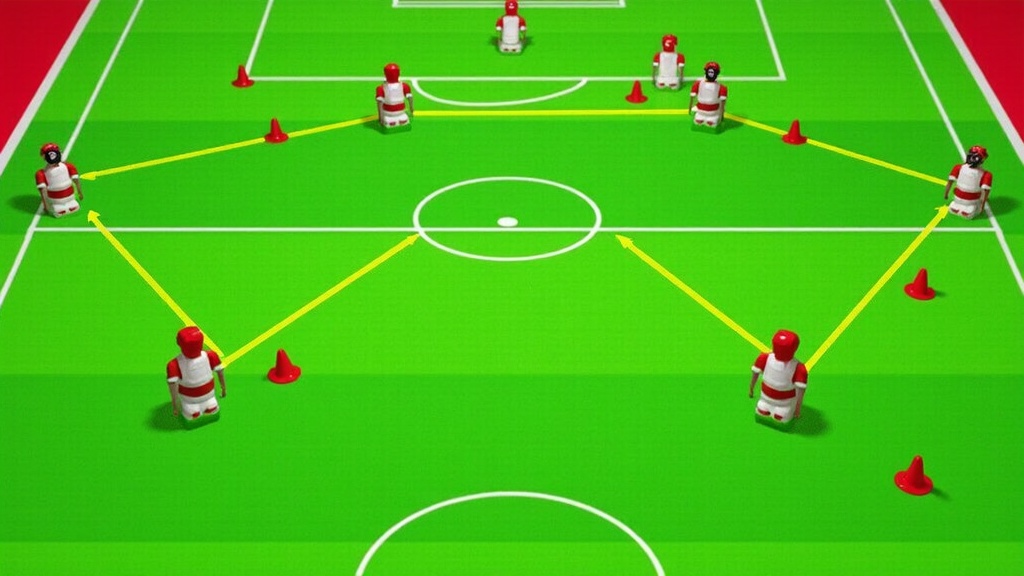
Benefits of Tactical Periodization
I get the appeal of oldschool training: run hard, tech up, then “add tactics” later. But Tactical Periodization totally flipped my perspective. Here’s what I’ve found most useful:
- Sharper Tactical Awareness: Players pick up patterns, movements, and game management with way less drill to match “translation lag.”
- Higher Quality Physical Fitness: All fitness built in is specific to game actions, so players adapt in real scenarios and not generic beep test endurance.
- Reduced Injury Risk: With planned microcycles matching recovery, intensity, and freshness, injuries have dropped off considerably on my teams.
- Better Mental Focus: Because everything is built around real moments, players stay sharp mentally and are less likely to switch off.
- Clear Identity: Teams develop a recognizable style much quicker; identities last longer because every drill reinforces it.
I’ve coached teams where it took months for the playing style to “stick.” When every exercise matches your tactical model, learning speeds up and matches start to look like your practice sessions much earlier. It also makes the step up from training to matches way smoother for your players, especially younger groups.
Common Myths and Misconceptions
As with anything new, there are plenty of myths around Tactical Periodization. I’ve had questions like this come up a lot:
- “Don’t players miss out on fitness?”
No, players actually get more game fit. The intensity comes inside real football actions, so there’s no wasted energy on nonfootball tasks. - “What if my team isn’t professional?”
This isn’t just a prolevel thing. I’ve used tactical periodization with youth, amateurs, and even smallsided teams. You adjust the complexity based on your group’s ability, but the structure still works. - “Do players get bored of always working on tactics?”
The method is super varied. Because every session is game-like, players are usually more interested than in standard routines. Even fitness comes laced with competition and challenges related to their jobs in the match.
Challenges and Solutions When Adopting Tactical Periodization
I’ll tell you straight, it’s not always simple to switch into this way of working, especially if your players or staff are used to the old “split up fitness, technique, and tactics” model. But from experience, here are a few snags you might hit, and how to get past them:
- Challenge: Overcomplicating the Game Model
Solution: Start simple! Focus on the main ideas (like style, tempo, and a core defensive or attacking principle). Add detail once your team is comfortable. - Challenge: Balancing Intensity and Recovery
Solution: Carefully plan your weekly “microcycle.” Make sure hard days are followed by lower intensity or tactical focus, not just random sessions back to back. - Challenge: Staff and Player BuyIn
Solution: Show how session activities link to match behaviors. After a few weeks of seeing drills transfer to Saturday success, everyone gets on board.
If you’re switching from old routines, keep track of your team’s workload and adjust quickly if you need more recovery. The smart move is to ask your assistant coaches and player leaders often. They’ll tell you what’s working and what feels confusing. Don’t be afraid to make adjustments for your group.
Tactical Periodization for Youth and Developmental Teams
This approach isn’t just for pros or even highlevel teens. I’ve used Tactical Periodization principles with U12s up through U17s, and it’s made a difference with their understanding and confidence. The key is making the game model age appropriate: chunk ideas into simple core rules, and use fun but realistic games to build habits.
Adapting for Younger Players
- Use smallsided games where each rule reflects your main team principle, like always play forward in possession days or press together on defending days.
- Build intensity through fun challenges, like “first to 3” or “defenders win a bonus if the press works.”
- Praise football intelligence when you see players using tactical ideas you’ve trained, even if the technical part breaks down.
I’ve seen big jumps in tactical maturity and problem solving by using this approach with developmental groups. Parents commented their kids “see the game” much quicker.
Integrating Tactical Periodization into Existing Training Programs
If you already have a training plan in place, don’t stress—you don’t have to start totally over. Try this:
- Identify the main “moments” you want to focus on each week.
- Choose one or two core tactical ideas per moment.
- Design your main exercises around these—wrap in your fitness and ball work, using opposition and constraints that reflect real match play.
- Gradually reduce isolated drills in favor of tactical context games.
Even a slow switch builds real tactical awareness. The main thing is to always ask yourself: “Is this session helping players get better at the way I want us to play on the weekend?” If the answer is yes, you’re on track!
Tools & Resources I Recommend
There are plenty of good resources to help take your understanding deeper. These are the ones I’ve leaned on:
- Tactical Periodization resources at SoccerTutor (top books and session plans by pro coaches)
- Interviews and breakdowns from coaches like Mourinho and Leonardo Jardim (tons on YouTube and coaching podcasts)
- Custom session planners or match analysis tools—loads of free templates or affordable software options online
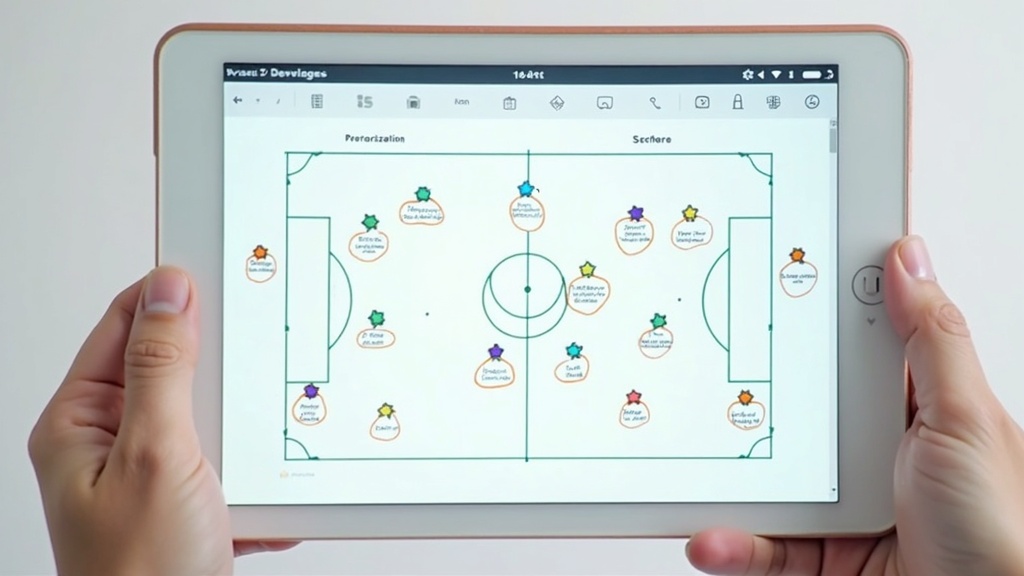
Sample Drills and Exercises
Here are some simple, practical session ideas you can plug straight in, all of which anchor to a tactical moment from your game model:
Pressing Activation (Transition to Defense)
- Set up a 7v7+2 game: Two teams of 7, 2 neutral players in the middle. When possession changes, the team that wins the ball presses to win it back within five seconds.
- Key focus: Player triggers for pressing, group reactions, communication.
Positional Play Rondo (Team Possession)
- 8v4, two teams, keep ball in a set grid (size matches your team’s ability). Progress by shrinking space.
- Key focus: Support angles, movement off the ball, speed of decision.
Tactical BuildUp (Attack Construction)
- Set up your team shape. Play “11v7+GK”: Back four and midfield three build out from the back against seven defenders (plus GK behind). Play out through lines under different constraints.
- Key focus: Movement, options on the ball, triggers for advancing or recycling.
Find more session examples here
Case Studies: Teams Using Tactical Periodization
Still wondering if this method really delivers? There are plenty of big names and even smaller clubs who swear by it. A few that come to mind for me:
- FC Porto (Frade and Mourinho Era): Used detailed tactical preparation to win in Europe, despite going up against richer squads. Built team identity and resilience using periodized training.
- Chelsea FC (Mourinho): Sessions always built around tactical moments. Resulted in a super disciplined, hardtobreak side with clarity in every game phase.
- Youth Academies in Spain & Portugal: Tactical Periodization is now standard in highlevel youth programs where the focus is on developing “game intelligence.”
I’ve seen amateur teams pick up similar methods and start making big jumps in tactical organization inside a single season, too. It works wherever you have a group ready to buy in and a coach willing to do the planning.

Frequently Asked Questions (FAQ)
Here are the biggest recurring questions I get about Tactical Periodization (and the answers that have worked for me):
- “How do I convince my players to buy in?”
Be open with your players. Show how training connects directly to game day. Share video highlights when a match situation mirrors a session drill. Players love seeing their hard work actually matter. - “What if we only train twice per week?”
Use the big moments as your daily theme; don’t overlap too many topics. For two sessions, try one main attacking theme and one defending or transition focus each week. Stay specific and avoid cramming five topics into one day. - “Will this method make my sessions boring for kids?”
Not if you focus on game-like, fun challenges. Wrap core ideas in smallsided games, add targets, or let players create rules within your structure. Kids get involved when learning feels real AND enjoyable. - “What if I don’t really know my own game model?”
Start simple. Outline your preferred formation, style, main defensive or attacking priorities, and work those into your drills. You can always add tactical depth each month.
Final Thoughts and Where to Go Next
I know making a change in your training approach takes time and some trial and error. It’s not about copying pro teams exactly, but about bringing more meaning and alignment into everything you do with your players. Tactical Periodization has become the framework I lean on most, whether coaching adults, teens, or even younger kids, because it gets everyone thinking, reading, and reacting in ways that pay off every match.
If you’re ready to get into more detail, want drills, or need templates, check out SoccerTutor’s Tactical Periodization resources. They have practical session plans, videos, and even stepbystep guides for building your game model.
Have questions about putting this into practice with your team or want to share your own experience? Drop your thoughts below or connect with me through the coaching community forums. The more we share, the better we all get at developing smarter and more adaptable soccer teams.