
Soccer referees carry a lot of responsibility every time they step onto the field. Their decisions during a match aren’t just about enforcing the rules; they play a big role in shaping how a game unfolds and how players, coaches, and fans experience the sport. There’s a lot that goes into figuring out how referees make calls, the kind of judgments they have to make on the spot, and why some decisions turn into huge talking points. I’ve spent years watching, playing, and even officiating amateur matches, and I’m always fascinated by how referee decisions in soccer can spark so much debate and drama. So, I’m breaking down the world of soccer referee decisions for anyone who’s ever cheered, groaned, or scratched their head over a call.
The Role of the Soccer Referee
Soccer referees are tasked with managing the game, applying the rules set out by FIFA, and keeping everything under control on the pitch. While it might look like they’re just blowing the whistle and running up and down, there’s a lot more happening. The main referee works with two assistant referees (and sometimes a fourth official) to keep an eye on every aspect of play. They watch for fouls, offside calls, timewasting, unsporting behavior, and loads of other details. It’s a fast paced job that demands quick thinking and strong communication.
So many people assume a referee’s job is only about calling fouls or giving out cards, but it’s also about game management, like diffusing tense situations, talking to players, and making judgment calls that keep everything fair and safe. Years of training go into learning how to spot a dangerous tackle from a fair challenge or when a warning is better than a yellow card. The referee is constantly working to maintain control, making countless small decisions beyond what you might notice on TV or from the stands.
⚠️ Affiliate Disclosure
This article contains affiliate links. This means I may earn a small commission if you click and make a purchase, at no extra cost to you. I only recommend products that I’ve researched and believe will genuinely help improve your soccer performance.
Why Referee Knowledge Matters
From a player’s perspective, knowing how referees think gives you an edge:
- You avoid unnecessary fouls and cards
- You learn how to play “smart” under pressure
- You understand game flow and positioning better
👉 This ties directly into improving your soccer IQ, which I cover in more detail here:
➡️ Interlink: How to Become a Better Soccer Player (Soccer IQ & Game Awareness guide)
Types of Referee Decisions
Referee decisions fall into a few main categories, all of which have a direct impact on the flow of the game. Here are a few of the main types:
- Fouls and Misconduct: Tackles, pushing, and dangerous play all fit here. The referee decides if something is careless, reckless, or with excessive force, which changes whether it’s a free kick, yellow card, or even a red card.
- Offside: Assistant referees help with this one, flagging if a player is in an offside position when actively involved in play.
- Handball: One of the most controversial decisions. The referee has to determine if a hand or arm was used to play the ball, and whether it was intentional or accidental.
- Penalty Kicks: Awarded when a foul happens inside the penalty area. These can be game changing moments and are usually hotly debated.
- Goal Decisions: Referees and their assistants check if the whole ball has crossed the line between the goalposts and under the crossbar.
How Referees Make Difficult Calls
Many decisions happen in the blink of an eye, and referees often get only one look at the action. They’re trained to focus on the ball, anticipate play, and stay positioned so they get the best possible angle. Sometimes, even with the best view, certain situations are super tricky to judge, like deciding if a slight trip in the penalty area deserves a penalty kick or if a player is simulating (diving).
- Positioning: Good referees are always moving to keep play in front of them and avoid being screened by players. That way, they’re in the best spot to see who does what.
- Teamwork: Referees rely on their assistants for offside calls and anything happening on the flanks, like determining who touched the ball last before a throwin.
- Game Context: The way the match is going impacts decisions, too. For example, referees might use a quiet word to calm things down, or use a yellow card early to set the tone. Sometimes, setting the atmosphere in the first fifteen minutes makes all the difference for the rest of the game.
- Communication: The best refs explain decisions to players and, where possible, keep things transparent.
A Quick Guide to Referee Decision Tools
Referees get help from a few tools and rules designed to support their decision making:
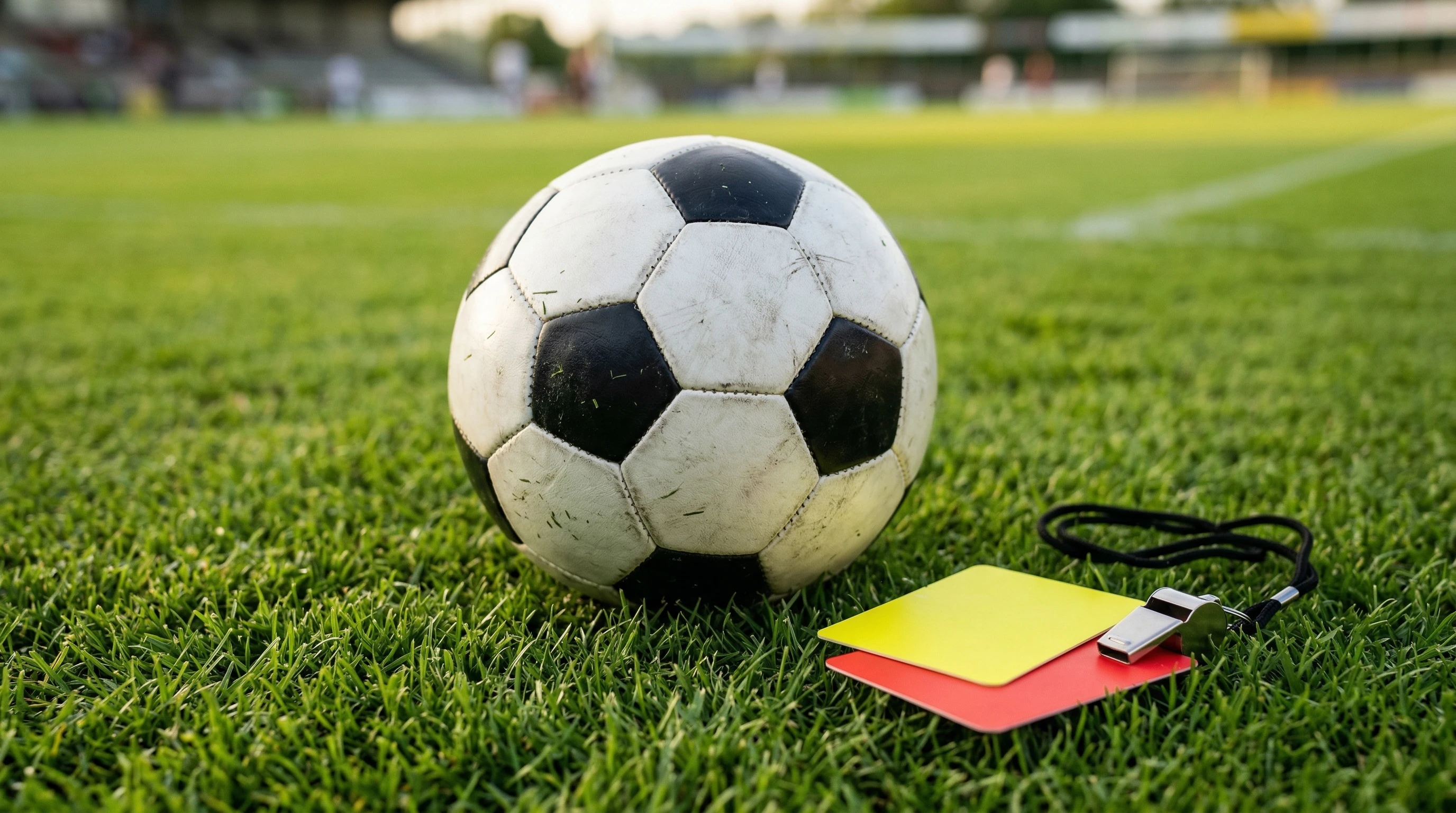
- Whistle: Used to stop and restart play, signal fouls, and get attention when needed.
- Cards: Yellow and red cards manage unsporting behavior. Yellows act as warnings, while reds send players off.
- VAR (Video Assistant Referee): Used in major competitions to review goals, penalties, direct red cards, and mistaken identity.
- Goalline Technology: Automatically alerts officials if the whole ball crosses the goal line.
- Assistant Referees’ Flags: Raised to signal offside, fouls, or when the ball goes out.
All these tools are meant to increase accuracy. There are still judgment calls and grey areas, but technology aims to reduce the number of glaring mistakes. Many top leagues now rely on these systems week in, week out.
Common Challenges and Controversies
No one’s perfect, and some calls get fans and pundits talking for days. Here are some of the biggest challenges referees face:
- Subjectivity: What looks like a clear foul to one person can seem harmless to another. Slow motion replays at home make everything look more obvious than it does to a ref in real time.
- Player Simulation: Some players exaggerate contact or dive to win free kicks or penalties. Referees have to spot these tricks and deal with them on the spot.
- Pace of the Game: Soccer moves fast, and refs are sprinting to keep up. It’s easy to be just out of position for a key moment.
- Pressure from Players and Fans: The crowd, coaches, and players all react loudly to calls. Staying strong and clearheaded in that noise is not easy.
- VAR Troubles: Even though screens help with clear errors, VAR has sparked new debates, especially about how long reviews take and whether some calls are still subjective.
Referee Errors and Learning
Mistakes do happen, and even the top officials admit that they’re always learning. After matches, referees often review footage and talk with their team to improve future decision making. Regular training and feedback help reduce errors. The unpredictable nature of the sport means no game will ever be 100 percent perfect. In lower leagues without technology, learning from mistakes is important. In the professional game, video analysis and peer support go a long way toward improvement.
Decision Making in Action: Real World Scenarios
I’ve seen referees handle wild matches where tempers flare, the crowd’s roaring, and both teams are fighting for every inch. In these situations, the way a referee manages decisions can either smooth things out or increase tensions. An early yellow card for a reckless tackle can calm players down, but sometimes a missed foul turns up the temperature, leading to more aggression and controversy.
A good example came up last season in a high stakes cup final I watched. The ref gave a penalty for handball after consulting with VAR. Half the crowd thought it was harsh; the others felt it balanced out a previous error. It’s situations like this where the ref’s decision isn’t just about obeying the rulebook; it’s about keeping the game flowing and the players focused. Sometimes, the psychological side is just as important as the written laws.
- Penalty Decisions: A ref needs to weigh whether a challenge inside the box actually denies an obvious goalscoring opportunity. These moments can determine the outcome of a whole tournament.
- Red Cards: Sending off a player is a big deal, so refs only do it when they’re sure the conduct was serious, like violent tackles or denying clear chances with a handball.
- Offside Confusion: Tight decisions on goals called back or allowed because of offside almost always create drama. Good teamwork with assistants helps get these calls as accurate as possible.
🏆 Want to Improve Your Own Decision-Making?
If you’re a player or coach, improving your awareness is just like training your body.
👉 Combine knowledge with practical training tools:
- Cones for positioning drills
- Rebounders for reaction training
- Agility ladders for movement timing
➡️ Best Soccer Training Equipment for Skill Development
🔥 Recommended Training Gear (Affiliate Picks)
To improve your game understanding and reaction speed, here are beginner-friendly tools:
👉 Agility Ladder (Speed & Footwork Training)
➡️ Check for price
👉 Soccer Rebounder Net (Improve Passing & Reaction)
➡️ check for reviews
👉 Training Cones Set (Positioning & Drill Setup)
➡️ TrainingCones price
These are simple tools, but they directly help you read the game faster—just like referees do.
Advanced Tips: Appreciating and Understanding Calls
If you want to get better at understanding or even predicting referee decisions, here are a few handy tips:
Know the Laws: FIFA updates the rules every season, and staying on top of the changes can help fans, coaches, and even players keep up with why something was called one way or another. Remember, even a small rule change can affect what looks like a foul or offside in a big game.
Watch Player Behavior: Spotting patterns in how players react or try to influence the ref gives you a real insight into what the ref is seeing and hearing. The smart players know how to work within the rules and draw attention to fouls, which can influence decisions.
Check Official Reports: Referees often explain major decisions in postgame reports, especially in leagues with transparency policies. Reading these can give fans and media more clarity about the calls that shaped the match.
Respect the Official: While it’s totally normal to get passionate about a call, showing respect for the referee as a person and a professional makes the game better for everyone. Soccer, at every level, relies on officials who give their best every match.
And remember, referees are juggling not just the written rules but also the emotions and energy of everyone involved—a skill set that deserves recognition, even when we don’t agree with every call.
Frequently Asked Questions About Soccer Referee Decisions
These are a few questions that I run into pretty often, especially from new fans or those just starting out in coaching or refereeing.
Question: Why do referees sometimes let play continue after a foul?
Answer: Referees can use the “advantage” rule when the team that’s been fouled keeps possession or has a better chance to attack. They’ll let play continue and only bring it back if the advantage doesn’t work out.
Question: How does VAR change a referee’s job?
Answer: VAR gives referees backup on clear errors or missed incidents. However, the final call is still made by the head referee. It adds another layer of review, but also more pressure and scrutiny.
Question: Can referees change their minds after making a decision?
Answer: Yes, if they realize they’ve made a mistake and play hasn’t restarted. Assistant referees and VAR can help reverse a call if new information comes in before the next play starts.
Why Understanding Referee Decisions Matters
Soccer referees don’t just enforce the rules; they keep the game fair, safe, and enjoyable for everyone. Having an appreciation for the nuances involved helps fans and players enjoy the sport more. The next time a big moment happens on the pitch, having some insight into what referees juggle might just change how you see the game. Every call, every whistle, and even every missed foul is part of a bigger challenge that keeps soccer exciting.
So, whether you’re shouting at the screen, standing on the sidelines, or even considering picking up a whistle yourself, getting to grips with referee decisions will definitely add to your soccer experience. It’s one more way to get into the heart of this incredible game and appreciate everything that happens on and off the pitch. Respect for the referees, even when we question their choices, is key to keeping the game we love fair and fun for everyone involved.
If you want to level up your soccer game beyond just playing:
👉 Start learning the rules like a referee
👉 Train your awareness with the right tools
👉 Practice decision-making in real situations
⚽ Ready to improve your soccer IQ and performance?
👉 Check out beginner soccer training gear here