
 Soccer tests your fitness like nothing else, and from my own experience, the difference between a great game and getting left behind often comes down to conditioning and strength. Fast feet, a powerful shot, and the stamina to press nonstop are built long before match day.
If you’ve been getting tired before halftime, nursing persistent knocks, or just want to move sharper on the pitch, it’s actually very achievable with the right approach. I’ve put together the most practical and effective workout strategies for soccer players, focusing on what truly helps with both conditioning and strength. That way, you can peak on game day and feel better off the field, too.
This breakdown covers what to work on, how to organize your workouts, and the tweaks that make a real difference for soccer athletes. For anyone looking for drills and a full library of soccer strength plans, check out my top resource here: Online Soccer & Elite Athlete Training.
1. The Foundation: Why Conditioning Matters in Soccer
Soccer isn’t just about technical skill; it’s a nonstop test of physical capacity. Whether you’re sprinting to close down an opponent or pushing late into stoppage time, endurance and work rate are what keep you competitive.
Game stats show that players cover anywhere from 5 to 9 miles in a single match, including hundreds of sprints, direction changes, and recovery runs. Being fit enough to manage this for the whole match gives you a serious edge every time you step on the pitch.
Main Conditioning Benefits:
- Run harder, for longer, with less fatigue
- Recover faster between sprints or high-intensity moments
- Reduce risks of injury, cramp, and burnout
- More energy to stay sharp and make quicker decisions under pressure
2. Key Elements of an Effective Soccer Conditioning Program
The best programs mix different types of workouts, targeting both aerobic (endurance) and anaerobic (intense, short bursts) systems. I’ve found mixing it up with these basic session types pays off:
Interval Runs
These mimic the stop-start bursts of a real game. Alternate periods of intense sprinting with slower jogs or walks.
- How to structure it: 30 seconds sprint, 60 seconds jog—repeat for 15 minutes
Tempo Runs
Run at a steady, challenging pace that’s just below an all-out sprint. Super useful for building the ability to sustain high speed through the game.
Agility Ladders and Cone Drills
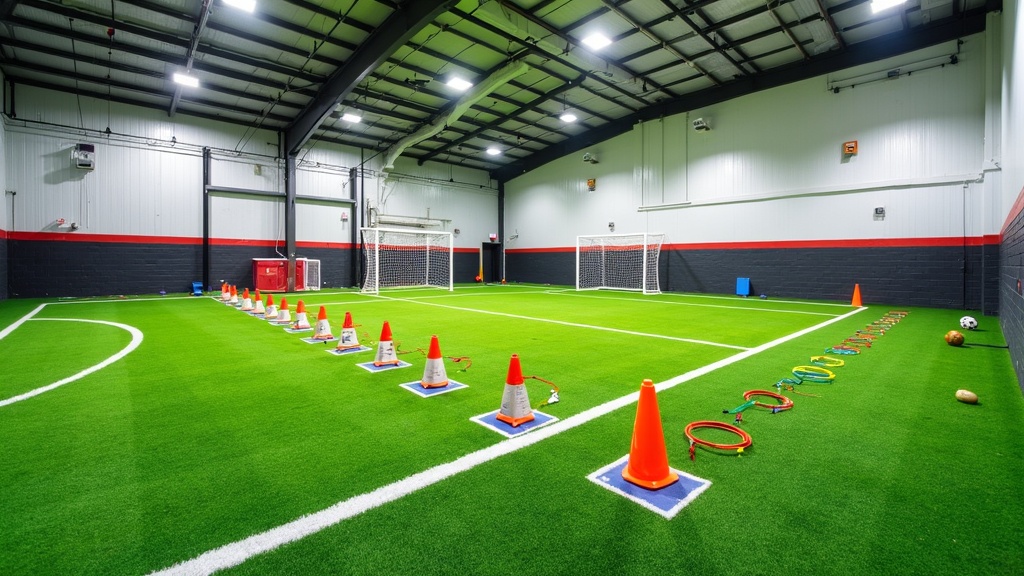
Working on footwork with ladders or cones helps reaction speed, and it makes your conditioning more soccerspecific. It’s way more fun than just running endlessly.
Fartlek Training
This is a mix of speed play; vary your pace between easy, moderate, and hard efforts in one longer run. It keeps your body guessing and is a great way to shake things up.
To get even more from your conditioning, throw in short sprints at the end of your runs. Not only does this simulate late-game situations, but it also builds that mental toughness you need in crucial moments. If you have a partner, try relay sprint drills for a friendly challenge.
3. Building Soccer Strength: The Power Players Need
Building strength is not about bulking up like a bodybuilder. Especially for soccer, it’s about developing the kind of powerful legs, core stability, and upper body strength that helps you win tackles, hold off defenders, and strike the ball harder.
Focus Areas for Players
- Leg power: Squats, lunges, deadlifts, and plyometric exercises like box jumps
- Core strength: Planks, Russian twists, and rotational exercises that help with balance and shooting power
- Upper body: Pushups, pullups, and lightweight rows for shielding and aerial battles
It’s smart to hit strength training at least two times per week, mixing bodyweight moves and resistance exercises. Consistency is what helps these tricks deliver big results. For anyone short on time, even working in 10-minute sessions a few days per week will give a boost.
Don’t forget singleleg work—unilateral training, like singleleg squats or lunges, builds balance and helps prevent injuries. Strong glutes and hamstrings are crucial to avoiding muscle pulls and boosting your pace.
Check more : if you want to learn like a pro where you will get all information
4. Sample Weekly Conditioning and Strength Plan
I’ve found a schedule like this keeps things balanced and helps with steady progress, even when things feel hectic outside of the sport:
- Monday: Strength (lower body and core)
- Tuesday: Interval conditioning (sprint/jog repeats)
- Wednesday: Agility and footwork circuit
- Thursday: Strength (upper body and core)
- Friday: Fartlek run or tempo run
- Saturday: Rest or a relaxed technical session/active recovery
- Sunday: Match, scrimmage, or rest (depending on your schedule)
Recovery days are really important for results. I always notice that good sleep, hydration, and stretching sessions help my legs bounce back faster every week. Try adding foam rolling or yoga for extra muscle relief and flexibility.
5. Warm-Ups and Cool-Downs: Don’t Skip These
Skipping warmups is a quick way to pull a hammy or strain a groin. A solid 10-to-15-minute warmup with dynamic stretches, light jogging, and movement-based drills gets your body ready for high effort. Arm circles, high knees, sideshuffles, and controlled kicks are pretty handy for this. Aim to break a sweat before you really start working, and don’t forget to change up your routine if you start to feel bored.
Cooldowns with static stretching and gentle jogging help flush lactic acid and reduce soreness. This means better recovery and far fewer injuries over the long haul. Making this a habit can add years to your playing career and keep you feeling fresh even after tough matches.
6. Extra Tips for Getting the Most Out of Your Soccer Workouts
- Track your progress: Jot down run times, reps, and how you feel. Over time, you’ll see improvements and spot when to push harder.
- Mix things up: Change exercises every few weeks to challenge your body and avoid getting bored.
- Don’t overtrain: Rest and recovery are just as key as the workouts themselves. Listen to your body—extra fatigue is a sign to take it easy.
- Feed your muscles: Hydration and post-workout snacks (protein and carbs) help your body rebuild, keep your energy up, and reduce soreness.
- Buddy up: Training with a teammate keeps you motivated and makes workouts more fun. Set small challenges to keep improving together.
- Mental training counts: Visualizing plays, practicing breathing, and positive self-talk can help boost your confidence alongside your physical gains.
7. Drills and Resources Worth Checking Out
If you’re serious about taking your game up a level, I recommend looking at professional training resources. The Online Soccer & Elite Athlete Training library has all-in-one season plans, video explanations for drills, and super useful advice for players at every level. It’s loaded with ideas to shake up your routines and add technical skill work to your sessions.
Additionally, consider community sessions or local soccer camps during off-season months. Joining a group can introduce you to new drills and create a bit of healthy competition, which many players find helpful for leveling up quickly.
What are your thoughts about this topic?
Getting fitter, stronger, and faster for soccer is the kind of thing that rewards you week after week. Dial in some of these routines and you’ll feel the difference in your lungs, legs, and game confidence. Got your own favorite soccer workout or drill? Share your tips and let’s boost each other’s training!