
Planning soccer coaching sessions is a super practical way to get the most out of every practice, whether you’re working with beginners or advanced players. Putting time into preparation can really help you stay focused, keep everyone motivated, and make sure players are actually building on what they learn week by week. I’ve pulled together a bunch of tried and true soccer coaching session planning examples, including some basics, tips for mixing up your drills, and advice for staying organized so your players have fun and improve on the field.
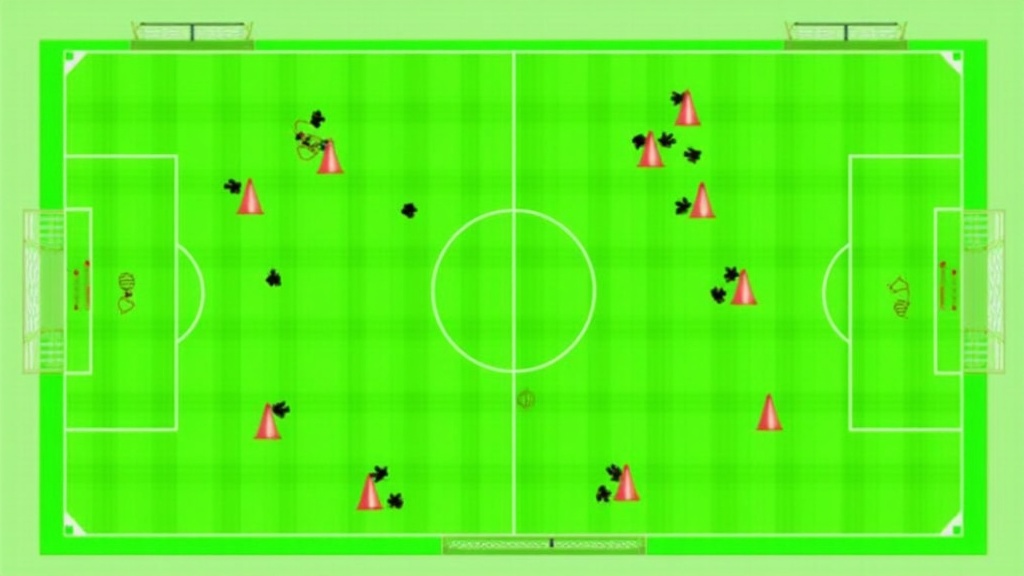
Understanding Soccer Coaching Session Planning
Soccer coaching sessions work best when there’s a plan that balances technical skills, physical fitness, team play, and fun. Good plans make for smoother runs through drills, routines, and small sided games. A clear structure keeps things on track and helps every age group, from kids to teenagers and even adults, benefit from what you’re teaching.
Most coaches break down a training session into clear phases: warm-up, technical or tactical work, small sided games, and cool down. Having these sections mapped out helps both the coach and the players know what to expect and where to focus their effort at different points.
Essential Elements of a Soccer Coaching Plan
Before writing out specific drills and exercises, I start by thinking about the overall structure of the session. Here are the main parts I focus on:
- Objective: What’s the main theme or skill for this session? Maybe it’s passing, defending, or first touch.
- Session Breakdown: A simple outline for how long each activity will last, like warm-up (10 minutes), main activity (30 minutes), small sided game (20 minutes), cool down (10 minutes).
- Equipment Checklist: List balls, cones, pinnies, small goals, and any extra gear needed. Staying organized keeps things running smoother on the field.
- Coaching Points: Key things to highlight during each drill, such as body positioning, communication, or movement off the ball.
- Progression: I keep optional changes ready in case things run fast or slow, especially if my group is struggling or breezing through certain tasks.
Writing everything out makes it easier to glance at my notes during training, keeping me organized even if things get a little chaotic with high energy players.
Beginner Soccer Coaching Session Plan Example
For younger, less experienced players, I focus on basic skills and keeping the energy up. Here’s a simple session plan that works great for players ages 7 to 11:
- Objective: Improve dribbling and ball control.
- Warm-Up (10 minutes): Fun tag game with every player dribbling their own ball. It wakes everyone up and gets them touching the ball right away.
- Main Activity (20 minutes): Set up a “dribbling maze” with cones where players navigate at different speeds. I call out commands to stop, turn, or accelerate so kids practice control and direction changes.
- Small Sided Game (20 minutes): 3v3 or 4v4 games on short fields. Encourages lots of touches and gets everyone involved. I keep scoring simple and rotate teams so nobody sits out for too long.
- Cool Down (10 minutes): Gentle passing and stretching circle. Great time for a quick recap and a bit of team bonding before wrapping up.
I always remind younger players (and their parents) that mistakes are part of learning, so cheering effort is more important than getting every move perfect.
Intermediate Session Plan Example
With slightly older or more experienced players, I start mixing in tactical ideas. Here’s a favorite plan focusing on passing and movement:
- Objective: Quick passing, support runs, and communication.
- Warm-Up (10 minutes): Keep away game in tight space. Good for raising the competitive spirit early.
- Main Activity (20 minutes): “Pass and move” circle drill. Players pass and immediately sprint to a new open space, teaching awareness and fitness at the same time. I keep coaching points clear: head up before passing, good first touch, communicate with teammates.
- Progression: Add defenders or limit players to two touches for an extra challenge.
- Game Scenario (20 minutes): 5v5 game with a two touch rule on passes. Forces faster decision making and creative movement.
- Cool Down (10 minutes): Players do a 5 minute slow jog and then stretch together, finishing with a short team chat where I point out progress and mention a few highlights from the session.
As players grow, adding tactical challenges helps keep them engaged and gives them a mental workout as well as physical.
Advanced Soccer Coaching Session Plan Example
For advanced youth or adult teams, sessions can target detailed tactical awareness and team chemistry. Here’s an example aimed at defending as a unit:
- Objective: Improve defensive organization and quick transitions from defense to attack.
- Warm-Up (10 minutes): Dynamic stretching and agility ladders to get everyone physically and mentally switched on.
- Main Drill (25 minutes): “Defend and Break” exercise. One side defends in a small grid, aiming to win possession and then quickly counter by passing to a target player outside the grid. Coaching points: Pressure the ball, support teammates, communicate constantly.
- Team Tactics (25 minutes): Half-field game focused on shifting as a defensive line and covering space. Players practice stepping up together and dropping together, learning the basics of zonal marking and coordinated movement.
- Cool Down (10 minutes): Group stretching and a short Q&A. We talk about what went well and what can be worked on at home or in future practices.
This session keeps intensity up and helps advanced players master the decisions that set top teams apart, like when to press and how to recover after losing the ball.
Tips for Mixing Up Soccer Drills
Switching things up keeps players interested and gives everyone a chance to develop different skills. Here are my best tips for mixing things up through the season:
- Rotate Focus: Move between technical, tactical, fitness, and fun challenges. Maybe one week is all about possession, the next is shooting accuracy, and the following practices transitions.
- Vary the Group Size: Some drills work better with pairs or groups, while others benefit from full team participation. Small sided games, relays, and skill stations target different abilities and keep everyone active.
- Use Real Game Scenarios: The more you make a drill feel like a real match, the more likely your players are to use those skills when it counts. Set up situations that mirror attacking, defending, or high pressure moments.
- Involve Players in Planning: Ask players which drills they enjoy most or what skills they want to work on. This can keep motivation high and help you adjust your sessions to meet their needs.
- Keep Things Competitive: Add challenges, races, or rewards for effort and teamwork. Small prizes or bragging rights can turn a tough drill into something players look forward to.
Staying Organized as a Soccer Coach
Every good session starts with a clear plan, but it pays to keep little tricks for staying organized over days, weeks, and the whole season:
- Journals or Apps: Keeping your sessions written down (or using a coaching app) helps you track progress, remember what worked, and avoid repeating drills too often.
- Prep Ahead: Arrive early to set up equipment, mark fields, and walk through drills in your head. It gives you a head start and keeps transitions fast.
- Checklists: Make a habit of reviewing your gear bag and making a list before heading to practice. That way there are no surprises on the field.
- Clear Communication: Send out quick updates to players or parents so they know when and where you’re practicing. Email, messengers, or team apps all help keep everyone in sync.
Staying organized frees you up to focus more on coaching and means every session feels useful and fun for everyone involved.
Common Pitfalls and How to Avoid Them
A few issues can come up again and again when planning soccer coaching sessions. Staying sharp can help you catch them before they ruin a practice:
- Lack of Variety: Doing the same drills each week makes players zone out. Mix in small changes or switch up activities to keep things fresh.
- Poor Timing: Letting a drill run too long bores players. Keep things moving and adjust the length of activities as needed during the session.
- Complicated Instructions: If players look confused, break down drills clearly and get everyone demoing together before they start at full speed.
- Underusing All Players: Make sure everyone is moving. Stay away from long lines and use drills with lots of touches for each kid.
- Skipping the Cool Down: Always budget time for stretching and a quick debrief. It helps prevent injuries and builds a team atmosphere.
Putting effort into planning soccer coaching sessions can set your team and each player up for real growth through the season. Mixing up drills, focusing on different skills, and staying organized makes every minute count. Don’t be afraid to experiment, ask your players for feedback, and adjust your approach as you go. No two teams or seasons are exactly alike; the best coaches are the ones who make learning both fun and challenging. Here’s to your next successful practice and a season full of improvement and excitement on the pitch!