
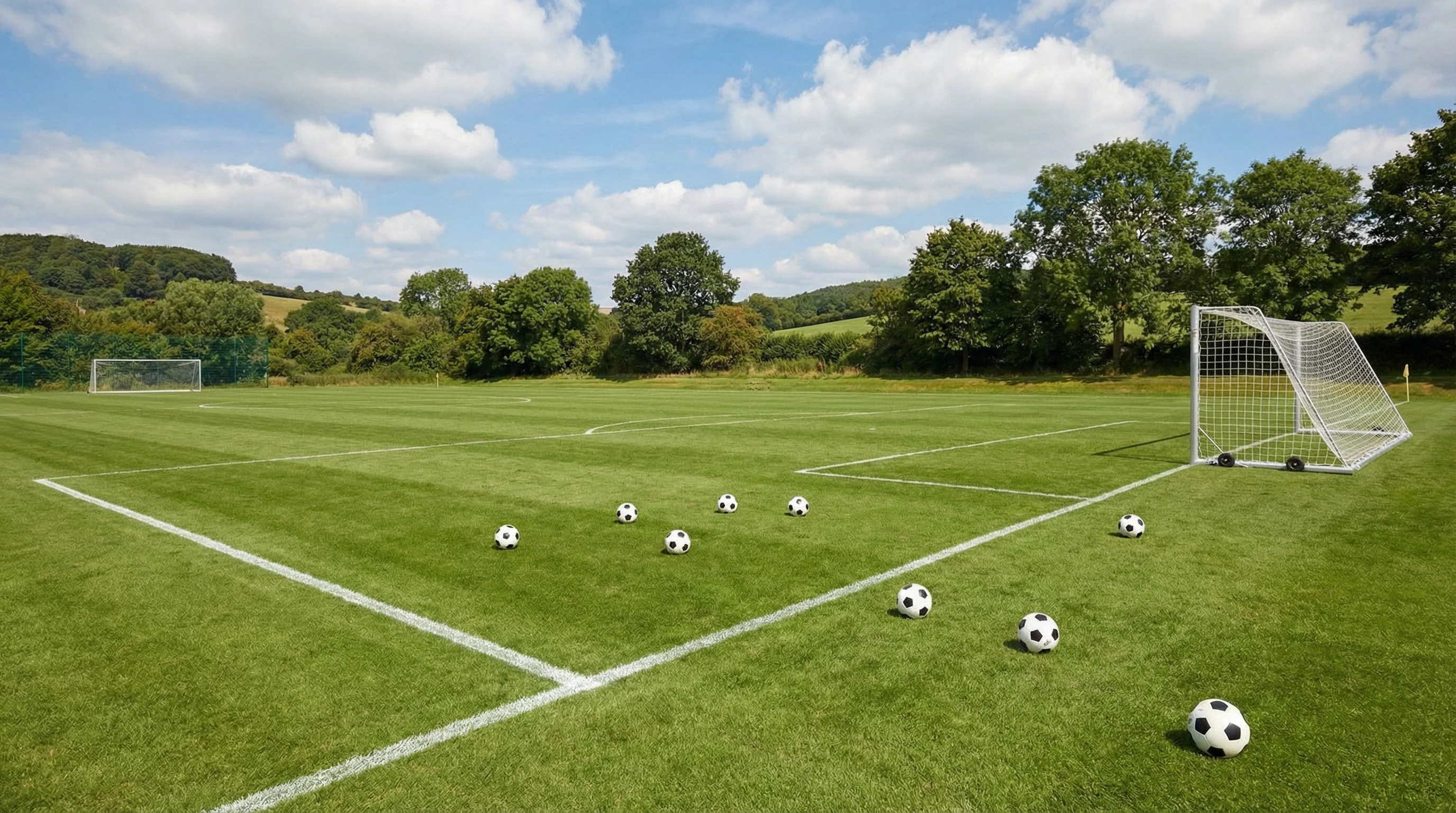
Soccer is easily one of the most popular activities for kids, but not every soccer experience is the same. As a parent, you’ll probably come across two main pathways: recreational (often called “rec” soccer) and academy soccer. Both options can look pretty similar from the outside, but they offer very different experiences for kids, and for families. So, how do you figure out which one is right for your own child?
Recreational soccer is pretty much about having fun, getting some exercise, and learning the basics of the game in a relaxed setting. Academy soccer, on the other hand, is more focused on serious player development with a higher level of coaching, more travel, and a bigger time commitment.
If you’re at that crossroads and trying to pick the right direction, this guide covers everything you need to know about both pathways: what they cost, what the environments are like, myths to watch out for, and some honest advice about who will enjoy each one the most.
Affiliate Disclosure
This article contains affiliate links. If you purchase through these links, we may earn a small commission at no extra cost to you. This helps us continue creating free, trustworthy youth soccer guidance for parents and coaches.
Recreational Soccer: What to Expect
How Recreational Soccer Works

Recreational soccer is typically run by local leagues, community centers, or city programs. Anyone who signs up gets to play. Teams tend to be mixed ability, and the atmosphere is supportive. If the schedules work out, siblings might end up on the same team, and there’s often a big focus on teamwork, good sportsmanship, and building confidence.
Who Recreation Soccer Is Best For
- Kids who want to have fun, socialize, and try new things
- Families looking for a lower pressure environment and easier schedules
- Players who are still figuring out if soccer is their favorite sport
Pros & Cons of Recreational SoccerPros:
- Friendly, supportive setting
- Lowest cost and fastest signup process
- Games and practices usually held close to home
- Flexible and relaxed schedules
- Cons:
- Coaching is often done by volunteers (sometimes with little soccer experience)
- Skill development can be slower
- Big skill gaps on teams can lead to boredom (for advanced kids) or discouragement (for beginners)👉 Related read: [How Recreational Soccer Supports Long-Term Player Development]
Academy Soccer: What Sets It Apart
How Academy Soccer Works

Academy soccer is run by clubs specifically aiming to develop competitive players. Most academies require players to try out, and teams are formed based on skill. Training is ramped up, and the coaches are usually parent volunteers with experience or licensed soccer coaches hired by the club. There’s a lot more travel, as teams often play in leagues that span across cities or even states. The idea is to train players for the highest possible level, so there’s a bigger focus on tactics and advanced skills.
Who Academy Soccer Is Best For
- Kids who are passionate about soccer and want to grow their skills
- Families who are okay with a bigger time (and money) investment
- Players with dreams of playing varsity soccer, college soccer, or even higher
Pros & Cons of Academy SoccerPros:
- High level coaching and opportunities for skill development
- Teamwork with committed, likeminded players
- Access to more tournaments, showcases, and chances for college recruitment
- Stronger competition
- Cons:
- Higher cost (sometimes several thousand dollars per year)
- Family schedule can get packed, with lots of practices and travel games
- Pressure to perform can be stressful for some kids
Side by Side Comparison: Recreational vs Academy Soccer
- Cost
Recreational: Usually between $75–$250 per season, including uniforms and registration.
Academy: Can run anywhere from $500 to $4000+ per year, plus travel, tournament fees, uniforms, and sometimes private training. - Coaching Quality
Recreational: Volunteers, often parents learning with the team.
Academy: Licensed or experienced coaches. Many clubs follow nationally developed curriculums. - Time Commitment
Recreational: 1–2 activities per week, usually weekends.
Academy: 2–4 practices per week, games and sometimes tournaments on weekends. - Competition & Player Development
Recreational: Games are casual; equal playing time is typical. Focus on learning and trying new positions.
Academy: Playing time is earned. Teams are selected based on skill and commitment. Focus is on growth, tactics, and preparation for harder competition. - Pressure & Expectations
Recreational: Coaches focus on building confidence and sportsmanship.
Academy: Coaches set high expectations. Some clubs evaluate players after each season and may not guarantee a spot next year. ⚽ Recommended youth training tools
👉 Agility cones, size-appropriate balls, home training aids (Affiliate)
Deciding Factors: Which Pathway Is the Best Fit?

How to Tell if Your Child Is Ready for Academy Play
Signs your child might love academy soccer include: wanting to practice all the time, asking for extra training, handling challenges with a positive mindset, and thriving in competitive situations. Some kids love the focus, the drills, and the challenge. Others might just enjoy the game and want to play with their school friends. Neither answer is better; it’s about what makes your child happiest in the long run and what your family can reasonably manage in terms of time and commitments.
👉 Read next: [Youth Soccer Development Pathway Explained by Age]
When Recreational Soccer Is the Better Pick
If your family is juggling multiple activities, or your child wants to try lots of different sports, recreational soccer makes more sense. It’s also great if your child is new to soccer, or if you aren’t sure how seriously they’ll want to take it. Plenty of players jump from rec to academy after a couple of seasons when they’re ready for more.
How to Spot Burnout (And Avoid It)
Younger kids can get tired of soccer if the environment is too intense or if they’re pushed before they’re ready. Some children enjoy playing all year, but others need a break to stay excited. I’ve seen a lot of players leave soccer entirely because they felt too much pressure early on. Watch for signs like moodiness after practice, suddenly wanting to skip soccer, or getting overly nervous before games. If that happens, sometimes taking a step back, even to recreational soccer, can bring back the spark and a positive attitude toward the game.
Family communication is key. Encourage your child to share their thoughts about practice and games, and really listen to their perspective. Allowing breaks or moving between leagues is totally normal and can actually keep their love of soccer strong.
Myths Parents Believe About Both Pathways
- All the best players start in academy soccer. Many high level players started in recreational leagues, only switching to academy play when they were older.
- Rec soccer teaches bad habits that are hard to fix later. Good habits and technique can be learned at any stage. If your child is having fun, they’re learning.
- Academy is the only way to get a college scholarship. Talent, work ethic, and the right support matter a lot more than which league a kid started in. College scouts look all over for great players.
- Rec soccer isn’t “real” soccer. That just isn’t true. Plenty of recreational leagues have great coaches and provide fantastic experiences for kids.
- Moving to academy is an all or nothing decision. Kids can, and do, switch between pathways as their interests change. What works for your child this year might not be the same next year.
Helpful Resources & Tools for Parents
Choosing the right pathway often comes down to knowing your child and understanding your own family’s needs. Staying informed is the best way to help your kid have a great soccer experience. Here are some resources that can help:
- US Youth Soccer Parent Resources – Covers youth development, player safety, and questions to ask potential coaches.
- Soccer Parenting Summit – Videos and advice from coaches, sports psychologists, and former players.
- Changing the Game Project – Focuses on positive sports environments and guides for parents wondering if their child is in the right program.
If you’re looking for practical evaluation tools, many clubs offer free trial sessions where your child can see if they enjoy a certain environment. Also, checking out guided coaching plans can help parents support their kids at home, whether in rec or academy soccer.
Whether you go with recreational soccer, academy teams, or even a mix of both, the main goal is for your child to develop a love for the game, build friendships, and pick up life skills that will last long after the final whistle. At the end of the day, supporting your child’s enjoyment and growth should be at the heart of the decision. Stay flexible, ask questions, and remember that your family’s soccer adventure can keep evolving in whatever way fits best.
🎯 Call to Action
👉 Not sure which path fits your child best?
✔ Compare programs confidently
✔ Ask the right questions before committing
✔ Support your child without pressure
📥 Download our Parent Soccer Decision Checklist (free)
or
⚽ Explore youth soccer development resources here (Affiliate)