
Coaching a mixed ability soccer team is both rewarding and challenging. With players at different skill levels, motivation, and backgrounds, you get the chance to witness real progress over the season when you approach it the right way. Through my years of coaching youth and adult teams, I’ve picked up reliable strategies that help every player walk away with something valuable, no matter where they begin.
Understanding Mixed Ability Soccer Teams
Mixed ability teams almost always include players with varying technical skills, fitness levels, experiences, and even different degrees of confidence. Sometimes, you get a few who’ve kicked soccer balls since they could walk right alongside total newcomers. The range of ability is often wide, especially in grassroots or school settings, but you’ll notice it anywhere you coach.
This kind of diversity brings challenges, but it also injects a lot of energy and creates truly memorable moments. Handling this mix well means crafting an environment where advanced players thrive yet newer ones feel welcomed and supported. Some players, even the shyest ones, transform when they get the right attention. Over several seasons, I’ve seen a quiet player step up as an unexpected playmaker thanks to patient coaching and the right team setting.
Affiliate Disclaimer
This article may contain affiliate links. If you purchase through these links, we may earn a small commission at no extra cost to you. We only recommend products that help coaches and players improve their soccer training.
Getting Started: Setting the Right Culture
The foundation you lay from the first session shapes everything. Mixed ability teams work best when everyone respects each other. I always emphasize that each player, whether they have a silky first touch or simply communicate well, has something unique to offer. Giving everyone a voice (no matter their age) goes a long way.
Team-building activities build early trust and unity. Name games, icebreakers, and fun partner exercises help beginners settle in and allow everyone to relax. Early on, we set some ground rules about encouragement, respect, and giving people space to learn. This standard isn’t just for kids; adults benefit as well. When everyone knows that put-downs or impatience have no place here, you create a safer, more positive environment for growth.
For more coaching tips, read: Beginner Soccer Training Guides
Drills, Games, and Practice Tips for Mixed Ability Players
Effective practice for a mixed group means using variety to keep all players active and included. I like to break skills down into stages—starting with the basics so everyone is on board, then introducing challenges for those ready to be pushed further. If you keep practice flexible and allow each person to push at their own pace, you’ll see better results for everyone. Here’s what’s worked for me:
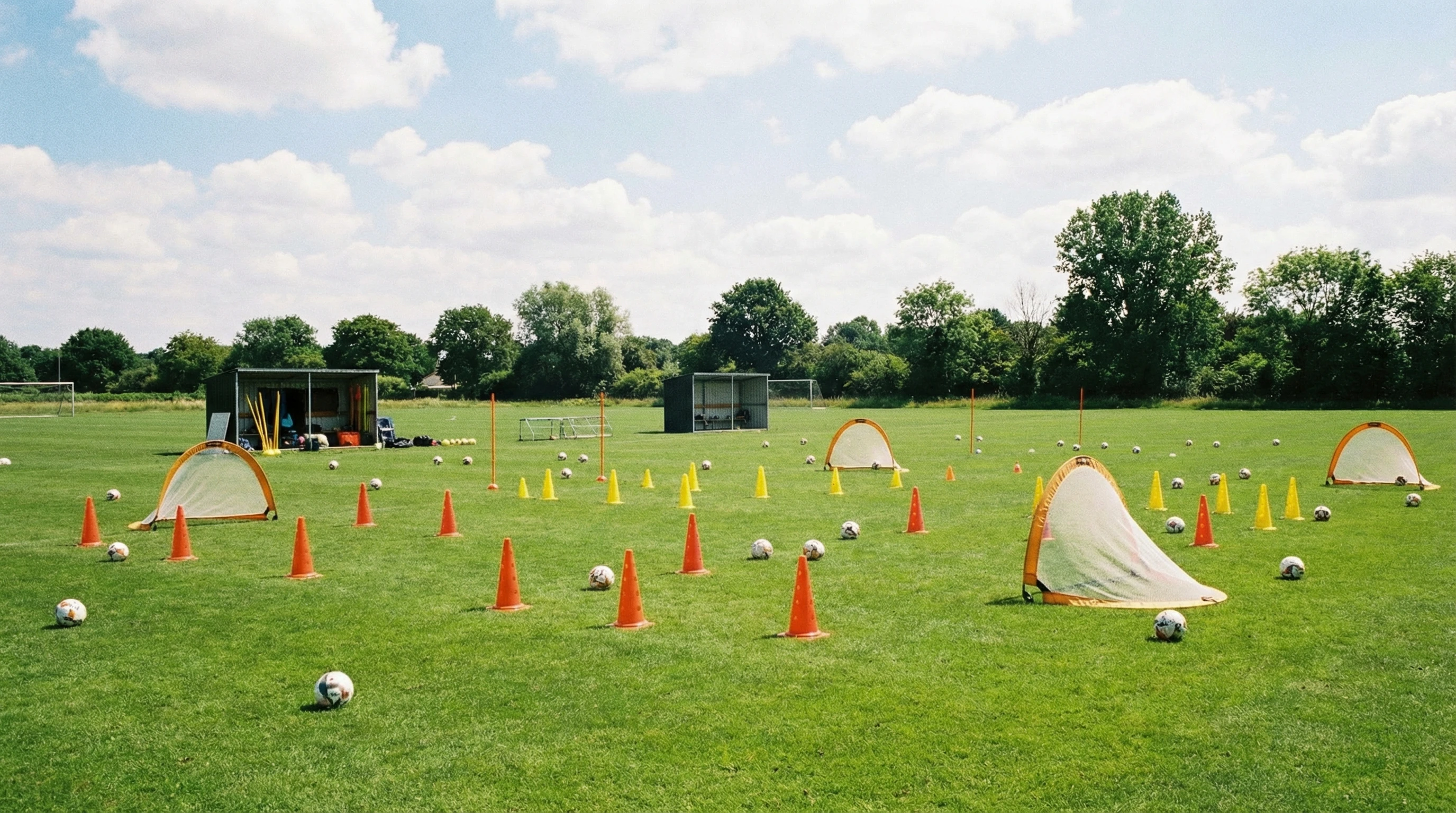
- Stations or Rotations: Set up different skill areas for dribbling, passing, shooting, and defending. Make each station challenging in a way that suits the specific level of the players in that group. This approach helps every player work at their pace while experiencing new skills.
- Progressive Drills: Start everyone with a simple drill like passing or dribbling. Once players get the hang of it, add complexity for those who are ready—for example, have them pass while moving, or keep possession under pressure from a defender.
- Small Sided Games: Create four-on-four or five-on-five games with small goals. These formats guarantee more touches for everyone, letting less confident players get involved more often. Try mixing teams each game to keep things fresh.
- Paired Learning: Pair up stronger and newer players, so the experienced one gives pointers. This helps both sides: advanced players grow as leaders, and beginners get support without feeling singled out.
For more fun ideas, check out reputable coaching resources or watch how professional coaches structure all-in-one sessions online. These formats can provide fresh inspiration when you start feeling stuck.
Creating Meaningful Roles for Every Player
Everyone wants to know their spot on the team matters. Some are born strikers, others excel as defenders or midfield engines, while a few shine as positive teammates, cheering everyone on. Here’s how to make sure your players know they’re valued:
- Flexible Positions: Rotate your players through different spots during the season. Advanced players won’t get bored, and less experienced ones can discover hidden strengths. It keeps everyone on their toes and engaged.
- Leadership Opportunities: Give ownership over small group activities or captaincy. Even something as simple as leading stretches, collecting cones, or picking a warmup song can build confidence.
- Personalized Shoutouts: Recognize contributions beyond goal-scoring. Praise good tackling, smart passing, quick recovery after losing the ball, or simply helping a teammate find their place on the field.
Balancing Challenge and Support
It takes real focus to balance stretching advanced players without overwhelming those still learning. I like splitting drills into challenge groups, so advanced players get extra technical tasks (like controlling a bouncing ball or practicing with their weaker foot), while newer players get simpler but just-as-important successes.
Each session, set goals that are both personal and achievable. Advanced players might try a “no-look” pass challenge, while beginners focus on using both feet or finding space. Remember, variety keeps boredom away and lets everyone find a new way to shine every week.
Encouraging Peer Coaching
Letting players teach each other is powerful. I regularly ask experienced players to run short warmups or explain a favorite drill to the group. Sometimes, just watching a teammate overcome the same challenge is more motivating than hearing it from a coach. Peer support creates leaders and builds a more united squad.
Handling Common Challenges in Mixed Ability Coaching
No matter how well you plan, challenges appear every season. Here are some I see, and how I handle them:
- Frustration: Sometimes higher-level players lose interest if things feel too easy, or beginners get discouraged when they struggle. Communicate openly. Give advanced players new challenges, and help beginners celebrate small progress so they stay motivated.
- Lack of Confidence: Developing players are often afraid to make mistakes. Encourage teammates to cheer every effort, highlight improvement in feedback, and create a safe space for taking risks. Reinforce a growth mindset by focusing on learning and effort above perfect execution.
- Physical Differences: Especially in younger groups, players develop physically at different rates. Include agility and coordination drills rather than just tests of speed or power, ensuring all players have a chance to stand out.
Dealing with Uneven Playing Time
One common concern is making sure everyone gets to play. I’m transparent about rotating positions and game time, particularly with novice and intermediate teams where development is the goal. Over time, even the shyest players gain confidence. Patience here pays off when a quiet player makes a breakthrough later in the season.
Advanced Strategies for Growth
After building a solid routine, try these methods to keep your team improving:
- Video Feedback: Share short, upbeat clips of practice or games, pointing out smart teamwork or good technique. This visual feedback can help players quickly notice their own improvements and pick up new things to try.
- Individual Goal Setting: Work with each player to set a personal aim each session, like using their left foot more or talking on defense. Tracking progress keeps everyone motivated—even on tough practice days.
- Effort-Based Competitions: Set up friendly challenges or ladders that reward hustle, teamwork, and respect as much as technical skills. This motivates everyone and values effort equally with ability.
Essential Equipment and Resources
You don’t need fancy gear, but the right tools make it easy to run smooth, inclusive sessions. Here’s what I keep on hand:
- Here are some tools many coaches recommend.
Soccer Training Gear
➡️ Improve your team training with professional equipment:
⚽ Agility Ladder for Speed Training
⚽ Soccer Training Cones Set
⚽ Portable Soccer Goals for Small-Sided Games
⚽ Training Bibs for Team Practice
Don’t forget a whistle and a stopwatch for managing time, or even a portable speaker to add some energy with music during drills. For extra ideas, I check trusted coaching websites, YouTube for skill breakdowns, and national soccer association guides. Dig into these resources when looking for new games or troubleshooting tips.
Common Questions About Mixed Ability Soccer Coaching
I hear these questions regularly from parents and new coaches. Here’s how I usually answer:
Question: How can I keep advanced players improving while supporting beginners?
Answer: Offer a range of options for each drill, pairing simple tasks with advanced versions. Let stronger players lead small groups or demonstrate skills—it keeps them challenged and gives beginners a role model.
Question: What if a player refuses to shoot or dribble?
Answer: Try offering different field roles, like defender or goalie, and celebrate their success in those positions. Over time, many reluctant players gain comfort in low-pressure spots and gradually try new skills.
Question: How do I handle huge differences in motivation?
Answer: Build relationships with your players and talk to them about their goals or interests. Sometimes a new role or challenge gets their interest back, or they just need more encouragement to feel like part of the team.
Want to improve your soccer training sessions?
Check out the best soccer training equipment used by coaches worldwide.
👉 Shop Recommended Soccer Training Gear Here
Coaching a mixed ability soccer team is all about blending skill, patience, and real care for each player’s improvement. The magic comes from building a safe, respectful atmosphere, making training flexible and purposeful, and making sure every player finds something to celebrate each session. Over time, tightly bonded mixed ability teams often become the most supportive and fun squads you’ll ever be part of. Enjoy every step, and celebrate the little victories—the real reward will be seeing your players grow together, both on and off the field.