
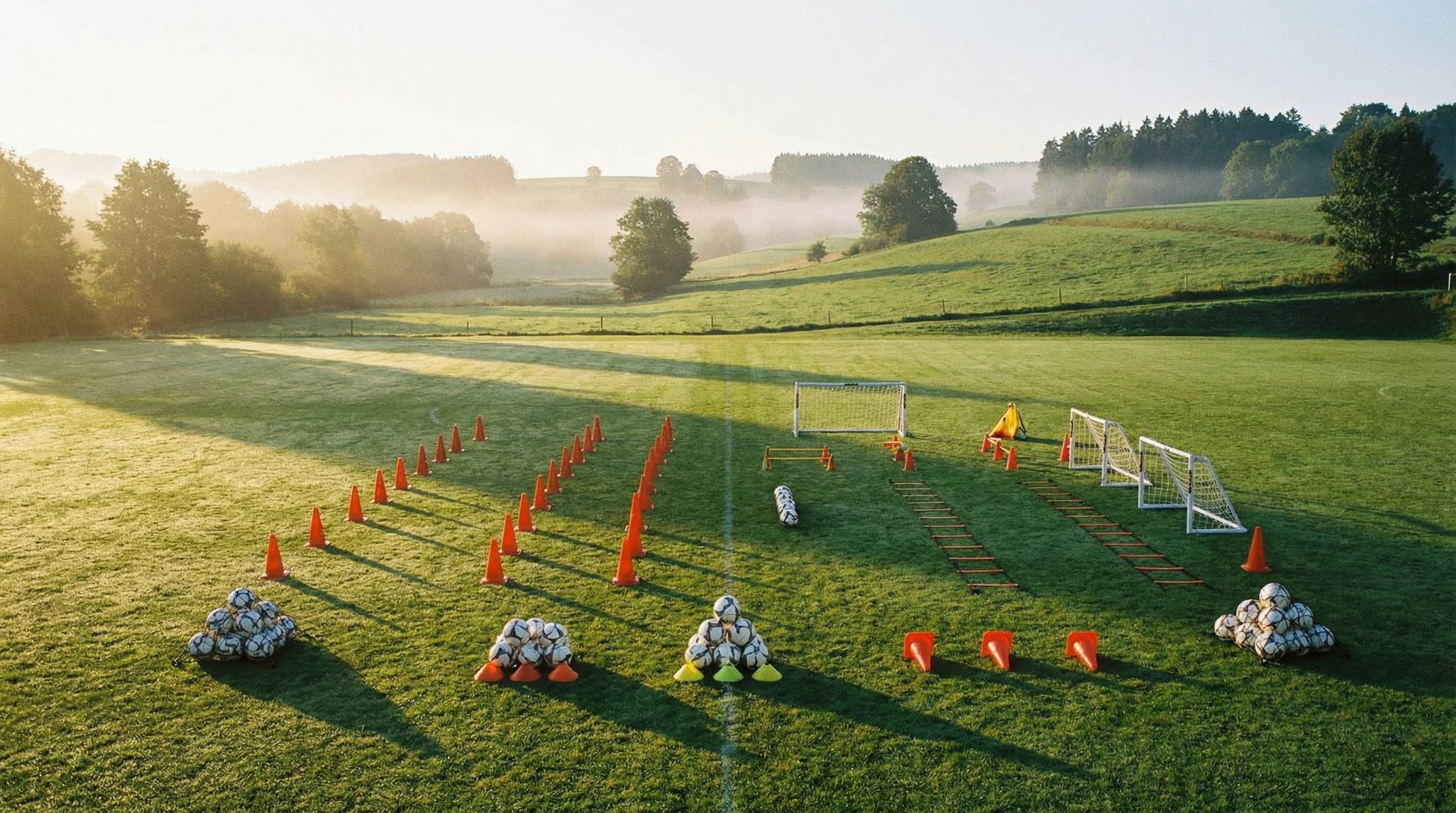
 Spotting talent on the soccer field can look a bit like magic, but there’s a lot more going on than just picking out the kid who scores the most goals. I’ve spent plenty of time at youth tournaments, tryouts, and training sessions, and professional coaches have their own set of things they keep an eye on. Many aren’t obvious at first glance.
From the outside, it’s tempting to think talent is about tricks or raw speed, but what stands out to the pros goes deeper than that. Coaches are looking for players who have skills they can shape and potential they can unlock, not just mini superstars playing hero ball. Here’s a behind-the-scenes look at how professionals actually spot potential stars in youth soccer.
Affiliate Disclosure:
This article may contain affiliate links. If you purchase through these links, I may earn a small commission at no extra cost to you. I only recommend tools and programs that genuinely help young soccer players develop.
What Coaches Really Look For in Young Players
You might think scouts zero in on highlight-reel goals or slick dribbling, but that’s only part of the story. When I chat with coaches at tournaments or club academies, certain patterns come up almost every time. They’re not always searching for the most polished player in the lineup. Instead, they focus on the raw ingredients that can develop with the right training and attitude.
Body Language and Attitude
- Effort and Commitment. Coaches watch how hard a player works off the ball, whether they hustle in drills, and if they bounce back after making mistakes.
- Willingness to Learn. Players who listen, adapt quickly to feedback, or try new things—even if it means failing at first—stand out as coachable.
- How They Treat Teammates. Pros pay close attention to things like communication, encouragement, or how a player celebrates others’ successes, not just their own.
Game Intelligence
- Reading the Game. It’s a big deal when a young player spots dangerous spaces, anticipates where the ball might end up next, and makes smart runs without the ball.
- Decision-Making. Quick, correct decisions under pressure show a player thinks one step ahead, even if they don’t always pull off the perfect play. Training Solution:
Game intelligence can be trained.
👉 Explore Youth Soccer IQ Training Programs & Video Courses - Spatial Awareness. Can a player stay aware of who and what is around them even while dribbling or defending? Coaches notice the kids who keep their heads up and know what’s happening, not just their eyes on the ball.
Technical Quality
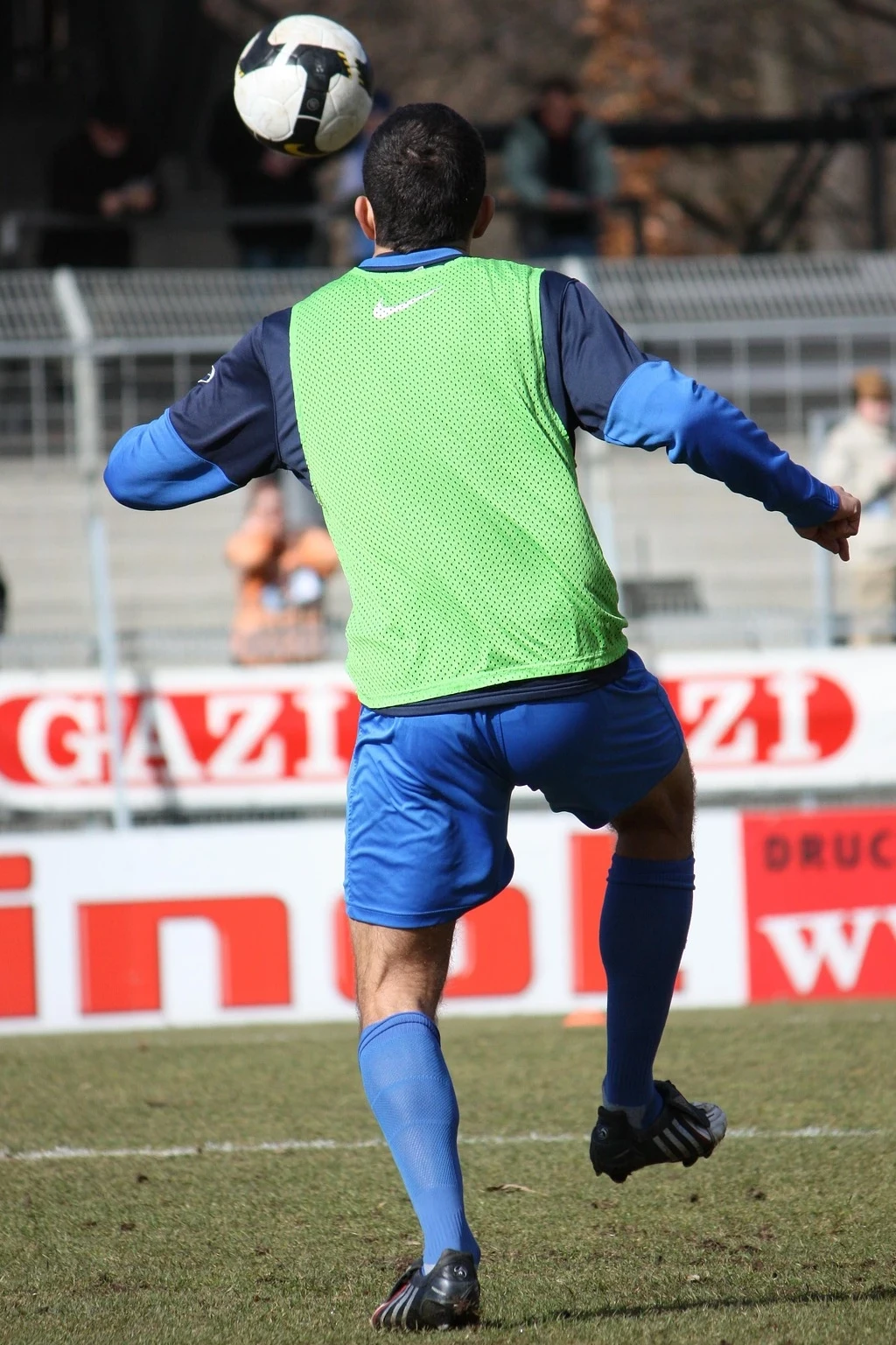
- First Touch. Clean ball control is a secret superpower. Pros want to see if a kid can bring the ball under control quickly, making it easier to pass or dribble away from pressure. If your child struggles with first touch, a rebounder can dramatically improve ball control at home.
👉 Check out this Top-Rated Soccer Rebounder for Home Training - Passing Under Pressure. Simple, accurate passing in tough moments matters more than fancy tricks or show boating. READ MORE:“Is My Child Ready for Academy Soccer?”
- Dribbling with Purpose. Beating a defender is great, but coaches look for dribbles that actually open up a play, not just moves for the sake of showing off.
Raw speed and size definitely get noticed at early ages (especially by parents on the sidelines), but pro coaches know that these things even out as players grow older. Spotting potential is more about the foundation: technical basics, mentality, and game smarts come before being the biggest or fastest at 12 years old.
Understanding the Three Main Areas: Technical, Tactical, and Mental Skills
Professional coaches break down what they’re watching for into three big categories: technical skill, tactical understanding, and mentality. Each one tells them something different about how a player might develop down the road. Let’s check out each in detail.
Technical Skills
- Ball Control. First touch, tight dribbling, and the ability to shield or protect the ball are top priorities. Players who can settle bouncing passes or handle a tricky turn instantly catch the eye.
- Shooting and Passing Variety. How comfortable is a player with both feet? Is there accuracy on longer or one touch passes, not just short simple ones?
- Receiving Under Pressure. Does stress make a player panic, or do they stay cool when the opponent closes in? Technical skill is only useful if it holds up in the heat of the moment.
Tactical Awareness
- Positioning. Where do players move when they don’t have the ball? Those who see opportunities to fill gaps, create balance, or help both attack and defend stand out when coaches watch game footage later.
- Link Up Play. It’s not just what a player does alone, but whether they combine well with others: a quick give and go, timing a run from deep, or making space for teammates.
- Reading Play Developments. Some young players just have a knack for reading where the next play is going. Coaches are impressed by kids who intercept passes, anticipate through balls, or shut down attacks before they become dangerous.
Mindset and Mental Qualities

- Resilience. I’ve seen coaches scribble notes any time a kid messes up but immediately shakes it off, tries again, or doesn’t let frustration take over.
- Focus and Consistency. Keeping intensity up all game long matters. Drifting out of a match or getting distracted is pretty common, but steady focus stands out.
- Leadership Potential. This doesn’t mean shouting or bossing people around. Players who quietly organize a wall, help teammates settle down, or communicate throughout the match show leadership in action.
Developing these areas doesn’t always happen at the same pace. Some kids come in with impressive physical tools or slick skills, but mental toughness or tactical understanding lags behind. That’s normal, and coaches know growth isn’t instant. Building up all three pillars takes patience and a long term focus.
Mental Edge Builder:
Confidence and resilience can be developed through structured mental training.
👉 Discover Youth Soccer Mental Performance Programs
What’s Not as Important as Everyone Thinks
There are a few things that often get way too much attention from parents, players, and even some coaches: stuff that looks flashy on social media but matters less in a scout’s notebook.
- Being the Highest Scorer. Scoring goals is great, but a forward who never defends, ignores teammates, or can’t connect simple passes is actually less interesting to professional coaches.
- Trying Fancy Tricks at the Wrong Time. Great skills are fun, but scouts notice when showy moves lose the ball or break down team play. Simple, effective soccer usually gets higher marks.
- Early Physical Maturity. Some kids hit growth spurts early and look unstoppable for a couple of years. Once everyone catches up physically, those players may get left behind if they haven’t also developed the technical or mental side of the game.
The truth is, professional coaching is about long term potential. Scouts know skills and speed can change a lot as kids get older. Focusing on well rounded ability rather than single standout moments helps coaches spot true future stars.
How Professional Talent ID Actually Works
When I talk with coaches working in youth clubs or with pro academies, I hear a lot about their structured approach. Talent ID isn’t just guesswork; it mixes gut feeling, tools, and proven systems for spotting promising kids.
Scouting at Games and Tournaments
- Multiple Viewings. Coaches try to avoid snap judgments. They’ll watch players over several games or across whole seasons to see if flashes of talent hold up.
- Watching Under Different Conditions. Rain, a bad game, or facing tough opponents can all reveal how a player deals with adversity. Consistency is more impressive than a one off wonder.
- Match and Training Analysis. Sometimes the best signs of potential show up in practice, not just on Saturday match day. Training habits matter just as much as game performance.
Using Rating Sheets and Data
- Most pro setups use rating sheets for things like touch, movement, work rate, decision making, and focus. These help compare players fairly.
- Video analysis has become more common, even at younger ages. This lets coaching staff break down strengths and areas for growth in detail.
Teaming Up with Youth Coaches
- Academy and pro scouts often ask local club coaches for honest feedback. Coaches who’ve worked with a player for years can often tell if a kid is consistent and coachable.
- Reports aren’t just about skill level; they mention attitude, training effort, and how well a player handles both wins and losses.
In some clubs, scouts and coaches pull together their notes and compare observations over time. This team approach weeds out flukes and spotlights the players who are truly rising over the long run.
Physical & Lifestyle Factors that Matter (But Only to a Point)
Physical traits do come into the mix, but mostly in terms of potential: things like coordination, agility, and general athletic ability. Coaches pay attention to these, but they’re careful not to pick only the fastest or tallest kids. Growth curves play a role, and those who show the right attitude tend to get more chances to prove themselves, no matter their size.
- Coordination and Athleticism. Quick feet, balance, and agility help, but coaches know technical and tactical skills can outweigh pure athleticism.
- Injury History. Staying healthy is an advantage, but missing time with minor injuries isn’t always a deal breaker if the player’s attitude stands out.
- Lifestyle Habits. Kids who show discipline with nutrition, sleep, and recovery (even just listening to advice) often progress faster, though these things become more important in the older age groups.
The real value lies in how well these traits can be developed as players grow. Coaches love kids who are hungry to learn, put in extra effort, and have the patience to build their game over time.
⚽ Recommended Academy Prep Tools
To build the skills professional coaches look for, these tools help:
- 🎯 Ball Mastery Training Cones
- 🔁 Adjustable Soccer Rebounder
- 🧠 Tactical Coaching Books
- 📘 Youth Player Development Guides
- 🏃 Speed & Agility Ladder
What Great Coaches Do to Help Young Talent Shine
Spotting talent is just the start; the real magic comes in helping young players unlock that potential and keep improving. I’ve been lucky to watch plenty of top coaches in action, and they use a mix of strategies to give talented players a chance to shine and grow their love for the game.
Giving Players Challenges
- Mixing up practice groups, letting kids try tougher drills, and giving them new positions can reveal skills and leadership qualities nobody noticed before.
- Constructive feedback is gold. Great coaches let players know where they’re thriving and where they can take it up a notch, keeping things positive but honest.
Encouraging Risk Taking Without Fear
- Mistakes are part of the process. Players who feel safe making errors are way more likely to tap into their creativity and try new things in real games without holding back.
Balancing Development and Competition
- Winning isn’t the only goal at the youth level. Coaches focus on development, making sure talented kids aren’t just chasing results but actually improving their soccer brains and skills.
This approach helps players fall in love with the process and see long term results, which keeps them working hard and growing for years—not just chasing stats in youth leagues. Teamwork, communication, and versatility all come out when children are nurtured with this long haul mentality.
Encouragement from families makes a difference too. Players who get support for their curiosity and learning are better able to push through setbacks or plateaus, and they move forward with more resilience. Celebrating the small moments of progress and the effort given, rather than only results, leads to powerful, lasting confidence both on and off the field.
Frequently Asked Questions About Talent Identification
Can late bloomers still make it?
Absolutely. Some of the best professionals didn’t stand out at the U10 or even U14 level. Coaches stay open minded about players who show new strengths in their teens. Progress isn’t always linear.
What if a kid isn’t the fastest or biggest?
If their skills, soccer IQ, or mental qualities are really strong, they can make up for size with smart play. Smaller players with great awareness or technical skill often move up quickly with coaches who know what really wins games.
How soon do professional academies start tracking players?
Some big clubs start keeping notes as early as age 8 or 9, but most serious scouting and tracking ramps up around the U12 to U15 ages, once kids have more developed skills and coaches can project real growth potential. Player monitoring is ongoing and dynamic.
How important are club teams or tournaments for getting noticed?
Good exposure helps with being seen by more coaches and scouts, but coaches also watch school, community, and futsal matches. What matters most is consistently showing smart play and a positive attitude, wherever you’re playing. Persistence and visibility help, but skill development and character open doors over time.
Putting It All Together: The Real Secrets of Youth Soccer Talent
Talent ID in youth soccer isn’t about chasing early trophies or racking up wild stats as a kid. What matters most to professional coaches is a strong technical base, smarts on the field, and a standout mindset. Early physical size or flash doesn’t guarantee long term success. Lots of late bloomers and underdogs rise up because they’re coachable, focused, and keep improving.
Next Steps for Players and Parents
- Focus on technical quality every time you train. These are the skills that keep growing and payoff the most over time.
- Talk with coaches about what you can improve, not just what you do well right now. Honest feedback is gold for your development.
- Remember: how you handle setbacks and support your teammates is just as important as how many goals you score. Attitude is a secret weapon for getting noticed and promoted to the next level.
If you want to catch a scout’s eye, it’s less about being the flashiest kid on the field and more about showing your love of the game, willingness to grind, and hunger to keep getting better. That’s the real foundation for turning youth soccer potential into a bright and successful future in the sport.
Is Your Child Academy Ready?
Use this quick checklist:
- Strong first touch?
- Makes smart decisions?
- Handles pressure?
- Shows leadership?
- Trains consistently?
If not, start building those skills today.