
 Following the stories of soccer clubs is one of my favorite ways to uncover real-world lessons about tradition, rivalry, business, and community. Digging into their history gives you more than just cool trivia—it’s a glimpse at how cultures, cities, and fans have shaped the game over decades.
My own obsession with the beautiful game grew deeper once I started learning how the biggest clubs were born, how local teams became legends, and how modern soccer keeps evolving on and off the pitch.
If you’re curious about how soccer clubs came to be, and why their stories matter, you’re in the right place. Let’s jump into the stories that make soccer more than just a sport for so many people around the world.
Why Knowing Soccer Club History Is Worth It
Understanding the backstories of soccer clubs does more than put a few fun facts in your head. It helps you:
- See why certain rivalries get so heated.
- Appreciate what makes clubs so important to their communities.
- Understand how soccer has changed (and how some things never change).
- Connect more closely with the culture of the sport, even if you’re cheering from halfway across the world.
Some clubs have roots that stretch back more than a century. The ups and downs along the way are pretty wild, making each club’s timeline unique and important to the sport’s history.
How Soccer Clubs First Emerged
The earliest soccer clubs didn’t just pop up out of nowhere. Most of them were founded by groups of friends, workers, or students who wanted to organize regular games instead of just kicking a ball around in the street.
Back in the mid-1800s, England was the birthplace of organized club soccer. Teams like Sheffield FC (founded in 1857) and Notts County (1862) claim bragging rights as the oldest. These clubs wrote rules, built teams, and set the stage for what would become global traditions. At that time, almost every region had its own interpretation of the game, so clubs also played a big part in shaping what we now call soccer or football.
Why Clubs Caught On
- Workers from factories and railway companies formed teams to boost morale and foster teamwork off the clock.
- School alumni and local communities used clubs to stay connected, especially as cities grew during the Industrial Revolution.
- Newspapers started reporting on games, which brought even more excitement and organization to matches.
Over time, local matches became league competitions, and club loyalty became a way of life for players and fans alike. The sense of identity that came with a club’s colors and crest soon turned into lifelong loyalty passed down through generations.
Cool Moments That Shaped Club History
A few historic moments helped turn soccer clubs from casual groups into international icons:
- The Founding of The Football League (1888): English clubs banded together to form the world’s first football league. This made regular, competitive matches possible and inspired countries everywhere to organize their own clubs in a similar way.
- The Birth of Famous Rivalries: As more clubs sprang up, so did legendary matchups, like Celtic vs. Rangers in Scotland, or Barcelona vs. Real Madrid in Spain. These rivalries often trace back to political, social, or even religious divides, giving every game extra meaning.
- Spreading the Game Worldwide: British sailors, merchants, and migrant workers carried the club system to all continents. South America, Italy, Germany, and Africa all developed rich club cultures, too.
From tiny amateur teams, massive soccer empires were born. Clubs like AC Milan, Flamengo, and River Plate all started out in the early 1900s and now pack out stadiums with tens of thousands of fans every week. Even today, new clubs form and rise through the ranks, adding new stories to the sport’s history.
Modern Soccer Clubs and How They Changed the Game
Watching a top soccer club now feels totally different than a hundred years ago. These days, pro clubs act as big businesses as much as community hubs, and their influence goes way beyond sports.
- Professionalism: In the early 20th century, paying players became common, and clubs became employers. Transfer fees, player contracts, and sponsorship deals quickly followed.
- Superclubs Emerge: Clubs like Manchester United, Real Madrid, and Bayern Munich turned into global brands with fans on every continent. TV rights, marketing, and international tours brought big money into the game.
- Stadiums and Facilities: Modern clubs compete not just on the pitch, but in business, technology, and entertainment. Hightech stadiums, youth academies, and worldclass training facilities make a difference.
The basics stay the same: 11 vs. 11, aiming for one more goal than the other team. But today, a club might have its own TV channel, esports teams, and even luxury hotels as part of their operation. The reach of modern soccer clubs is truly eye-catching, and the fan experiences are more interactive with social media, apps, and digital content keeping supporters connected worldwide.
More clubs now focus on community programs, fan engagement, and global initiatives, showing how deeply embedded they are in their respective communities and beyond. The evolution from simple local teams to international organizations is one of soccer’s most significant stories.
Why Club Culture Means So Much
Every club has a personality. Some are gritty underdogs, while others flaunt flash and star power. The history of a club shapes who they are and how the world sees them.
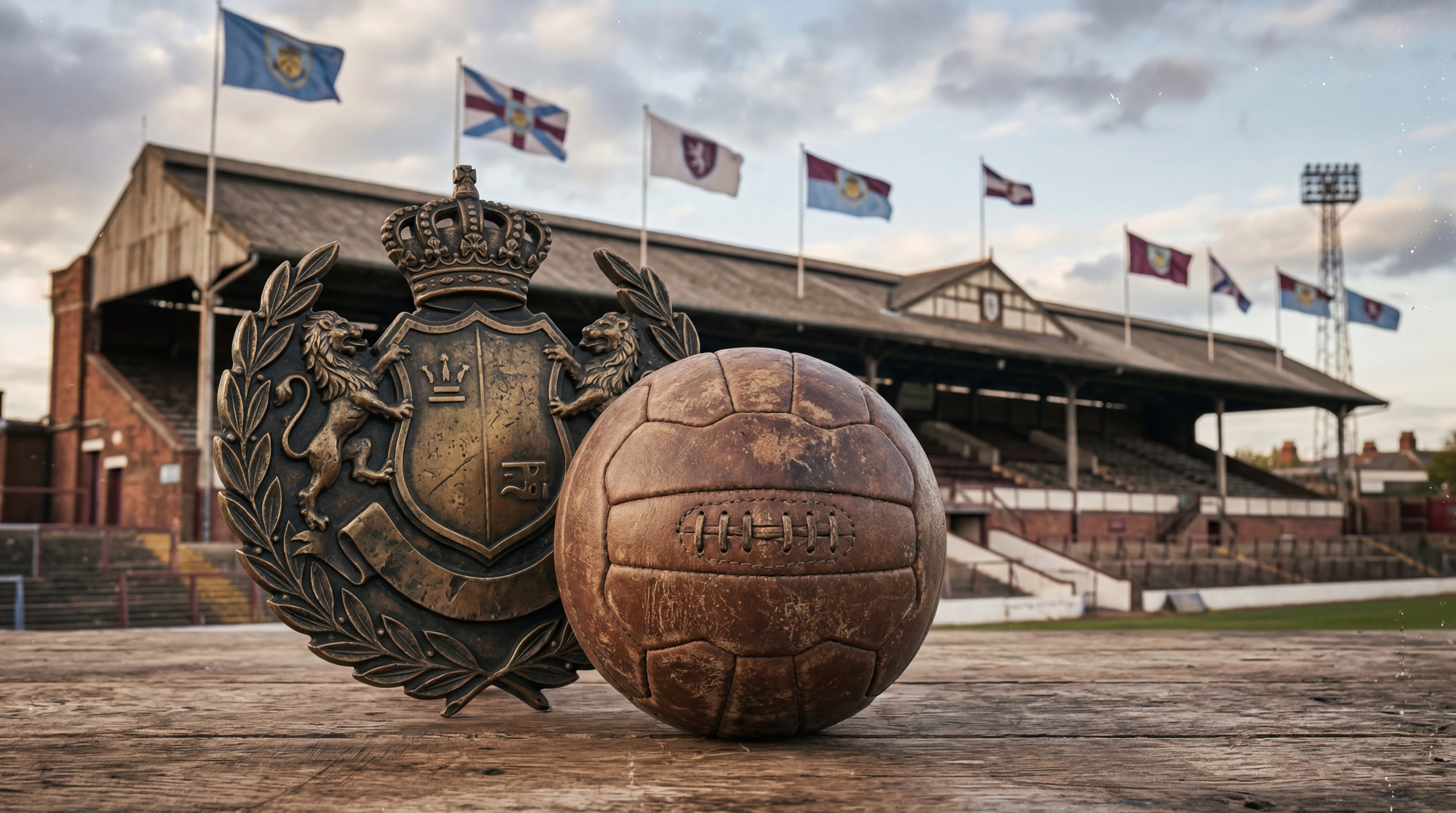
I’ve noticed that the most passionate fans become part of their club’s story. Flags, chants, and jerseys turn stadiums into a sea of color. Club crests and oldschool uniforms often call back to the neighborhoods and people who started it all. This connection runs deep with rituals like pregame songs, coordinated displays, and meaningful local traditions.
My Favorite Bits of Soccer Club Culture
- The tradition of singing club anthems before every home match
- Murals and statues of local legends outside stadiums
- The unique symbols and mascots passed down across generations
If you visit a club museum, you’ll always find dusty old trophies, faded photos, and artifacts packed with stories from every era. These items tell tales of hardfought victories and the communal pride that comes with them. Fans often gather at these museums or clubhouses before matches, swapping stories and sharing their love of the game.
Get Closer to Soccer Club History
Following your favorite club is more fun when you know what’s come before; the heartbreaks, the comebacks, the giant-killing upsets. If you want to really dig in, it’s worth looking up club documentaries, reading official histories, or touring a club’s home ground to get a sense of the pride and history that live there.
Some clubs even let you join as a member, giving you a real stake in decisions. Supporters’ groups and fanled initiatives keep traditions alive and help drive the next chapter of club history. Engaging with these communities, both online and in person, lets fans contribute to ongoing traditions and play a part in shaping the next chapter.
Ready to Explore Soccer Clubs?
- No need to be a longtime fan; clubs welcome newcomers all the time.
- Each club has its own set of traditions, chants, and rivalries worth checking out.
- Every city on earth seems to have a team (or five) worth exploring and supporting.
Jumping into the story of your local club—or a famous one across the globe—might just deepen your love for the world’s most popular sport. There’s always more to stumble upon with each match, season, and chapter added to a club’s timeline. Whether you’re a casual follower or a diehard supporter, these stories make the game richer and more meaningful every time the ball hits the net.