
Getting the hang of defending tactics and team shape isn’t just for professionals. It’s a skill set that anyone interested in modern football will find super useful. If you’re coaching, playing, or just want to understand more about why teams line up the way they do, getting into these topics really helps you appreciate the game on a deeper level. The right defensive organization and teamwork can change a team’s fortunes, whether you’re a grassroots coach or part of a more competitive setup. Here, I’ll give you practical insights and approachable explanations so you can start using these concepts right away.
Affiliate Disclosure
This post contains affiliate links. As an Amazon Associate, we earn from qualifying purchases at no extra cost to you. We only recommend products and services we trust.
Why Focus on Defending Tactics and Team Shape?
Solid defending is the core of most competitive football teams. It’s not just about tackling or blocking shots; it’s creating a plan for how the team works together to win back possession and stay organized under pressure. Team shape is about how all the pieces fit, stretching from the backline to the forwards. Knowing these elements is vital to help your team avoid chaos and limit the number of goals conceded.
In the modern game, pressing, zoning, and compact shapes aren’t just buzzwords. They are proven tools, and teams like Atletico Madrid, famous for their defensive discipline, show just how powerful a well-coached team shape can be. Training defensively also helps youth players develop good habits from the start. If you want even more resources, it’s worth checking out SoccerTutor’s defending resources which offer all-in-one guides and exercises to bring structure to your sessions.
Getting Started with Defensive Organization
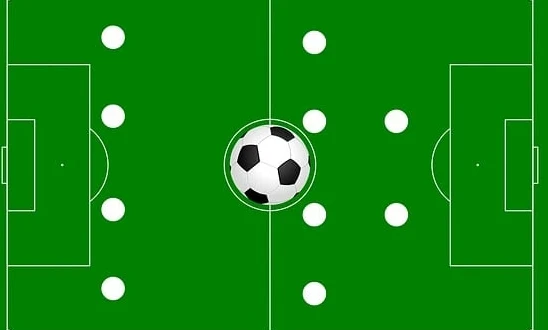
Building a strong defense starts with basics. Get everyone understanding their roles, both individually and as a unit. Here are some common defensive approaches you’ll often see:
- Man to Man Marking: Each defender is responsible for an opposing player, sticking close and tracking their movements.
- Zone Defending: Players cover a certain area of the pitch, focusing on intercepting passes and pushing opponents out wide.
- Pressing: The whole team or a group puts pressure on the ball, timing the press to specific pitch zones, whether it’s high, mid, or low block.
- Compact Shape: Team lines stay tight, preventing opponents from finding gaps through the middle of the pitch.
Beginner drills often involve setting up defensive lines, practicing shifting as a unit, and learning when to step up or drop back. It’s super helpful to start with small groups and slowly add more game-like elements, such as overload situations or quick counterattacks, to make it more realistic and engaging for players.
Step by Step: Training Defensive Shape in Practice
Shaping a team for solid defense doesn’t have to feel overwhelming. It’s best to keep exercises simple and repeat them until habits form. Here’s a straightforward step by step plan for a defensive session:
- Walkthroughs: Get players into their positions and physically walk them through defensive scenarios. Emphasize spacing and communication cues.
- Shadow Play: No opposition, just your team moving in sync as the ball shifts side to side, learning how to adjust their spacing together.
- Overload Drills: Put a “back four” (or three) against a group with the ball, forcing defenders to cooperate and cover space as a group.
- Realistic Game Situations: Move into small-sided games (4v4, 6v6) where maintaining shape and making fast decisions under pressure truly matters.
- Specific Scenarios: Practice defending set pieces, wide attacks, or counterattacks to help defenders deal with various threats in a safe environment.
Repeating these steps boosts confidence. As players get comfortable, they naturally make smarter decisions in real matches because the behaviors have been built in practice.
Practical Tips for Developing Communication and Awareness
So much of defending is about talking to teammates—giving instructions, asking for cover, or letting someone know they’re under pressure. I always suggest vocal sessions where players call out when they’re stepping up or dropping back. Here are a few easy habits to build:
- Calling Names: It sounds simple, but making it a rule that silent defending isn’t allowed can transform group awareness.
- Pointing and Gesturing: For younger players, pointing directions sometimes helps more than shouting—and both methods are very effective.
- Eye Contact: Defensive lines work better if players make a habit of staying visually connected during play. Train this into every drill.
Add some “freeze and coach” moments in practice: pause when a mistake happens so everyone can see good versus bad team shapes. Players remember these moments, and those practical visuals strengthen the right patterns for future games.
Things to Think About Before Switching Your Defensive Setup
Changing team shape or tactical principles isn’t just about copying formations seen on TV. It helps to make sure changes actually fit your players’ skills, fitness, and the specific league or level you’re coaching in. Here are some lessons I’ve picked up:
- Pace of Your Backline: Quick defenders can push higher; slower defenders may need to drop deeper to avoid being caught out.
- Experience and Communication: Younger players or group newcomers may find man to man marking simpler to start than more complex zonal ideas.
- Goalkeeper Style: If your goalkeeper plays as a ‘sweeper keeper,’ you have more options to play high, while traditional keepers can add security but keep the defensive line deeper.
- Team Discipline: If your group struggles to stay organized, simplify. Focus on one or two basic rules—spacing between lines and maintaining shape during transitions.
Player Fatigue
Training defensive structure is demanding, especially when working on pressing or chasing drills. Use shorter, high-intensity drills and rotate groups. Teams often lose their shape more from getting tired during sessions than from a lack of understanding, so keep energy levels up and morale high.
Understanding Your Opponent
Try to set your defensive game plan according to what you know about your rival. If you’re likely to face a dangerous dribbler, have your team double up support more often. Against cross-heavy teams, keep wingers tucked in and ensure center backs stay alert throughout the match.
Advanced Tactics and Fresh Tweaks
Once your team has mastered the basics, exploring advanced tactics can add another challenge and keep the group motivated. Here are a few techniques to bring in:
Rotating Defensive Blocks: Change your defensive shape on the fly. You might defend as a 4-4-2 but attack as a 4-3-3; this flexibility lets you adapt to changing situations.
Trigger Pressing: Instead of always pressing, tell your team to press only after specific triggers, like a pass back to the opposition center back or when a weak-sided player receives the ball.
Cover and Support: Reinforce backup behind pressing players. Teach the “if you step, I cover” concept every session for more reliable defense.
Line Trap: Train defenders to step out together to catch forwards offside. This is much easier with a tight, disciplined group and adds a tactical edge to your play.
For new tactical drills and more session ideas, try the resources at SoccerTutor.com. Their guides give a boost to your training plans and make practice fun and fresh.
Common Questions on Defensive Tactics and Shaping Up
Here are some popular things that coaches, players, and parents often ask:
How long does it take for a team to get good at defensive shape?
Progress varies depending on group experience and age, but noticeable improvement commonly appears after 4–6 regular sessions. The key is consistency; teams get much better when these habits are reinforced during every practice.
Which is better: zonal marking or man to man?
Both can work well. Zonal marking is typically simpler to organize for covering large spaces, while man to man marking reduces confusion for mixed or new groups. Blending both is often practical, especially when learning.
Do I need special equipment to train team shape?
Cones, disks, and small goals help make sessions feel more like real games, but you don’t absolutely need them. Whiteboards, apps, or video tools can help break down ideas and review play after sessions for further learning.
Defending Tactics for Real Matches
Putting defending tactics into practice during real matches brings unexpected challenges you might not see in training. Encourage players to adjust to the game; sometimes, the team needs to drop deeper or shift marking on the fly. Always remind your players to scan the field, talk constantly, and work together. Remember, even a compact but imperfect team shape is better than individuals running in all directions.
- Sideline Calls: Offer short, sharp reminders on the sideline such as “compact!”, “tuck in!”, or “step up!” These cues quickly reconnect the group, especially when fatigue sets in.
- Half-Time Tweaks: At the break, review what’s working, make one or two small changes, and make instructions clear. Simplicity keeps things running smoothly and avoids confusion.
- Staying Positive: Defending isn’t just about holding back. Celebrate good blocks, tackles, and communication—reward what you want to see more often from your team.
Training defending tactics and team shape takes patience, trial and error, and plenty of repetition. The payoff is huge for any squad willing to put in the effort. It boosts results on the field and confidence for players across all ages and levels. Whether you’re spearheading your team or just picking up new tips, you’ll find these skills stick with you long after the final whistle sounds. So keep practicing, keep learning, and you’ll be amazed at how far your group will come.
Want Ready-Made Defensive Training Plans?
Save hours of planning with professional defending drills, session plans, and tactical guides trusted by coaches worldwide.
👉 View Defending Tactics Guides on SoccerTutor
please like our post and follow us