
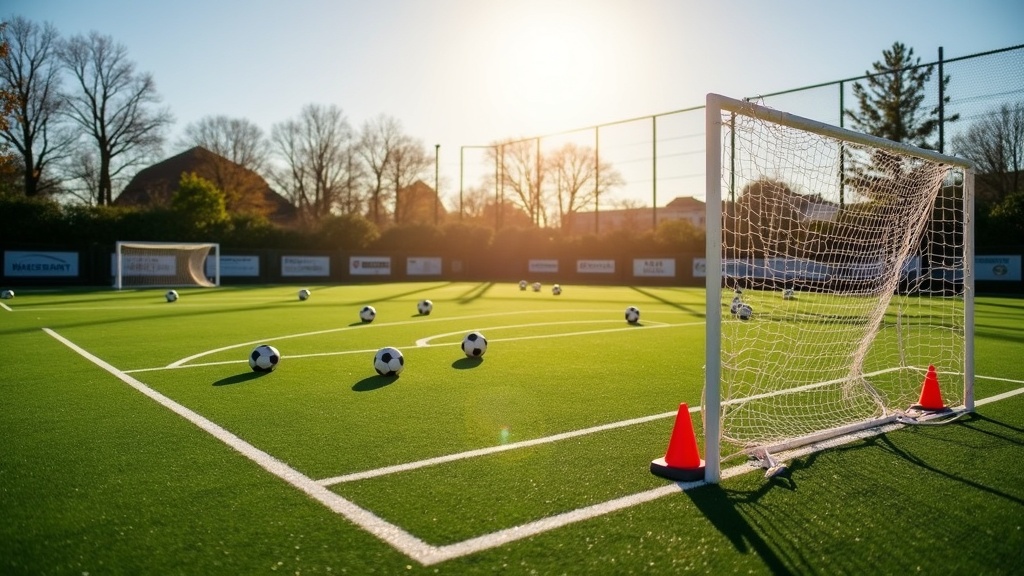
Soccer is always changing, and in 2025, the focus is really on drills that build solid skills, sharp tactics, and a tightknit team environment. Whether you’re coaching beginners, helping out with a high school team, or running training for a club, using the right drills makes a big difference in how your players grow and perform on the field.
If you’ve ever found it tough to keep training sessions fresh or you catch your players tuning out during the same old routines, you’re definitely not alone. Boring drills or a lack of structure can bring progress to a halt and hurt team morale. When practice feels repetitive, improvement stalls. That can be frustrating for everyone involved.
Fresh coaching ideas and updated drills can step up your practices. That’s why I’m sharing my favorite soccer coaching drills for 2025. Whether you want to grow technical skills, quick thinking, or strong teamwork, these drills cover all the bases. They also keep your sessions fun and engaging.
1. Rondo Variations: Mastering Possession and Pressure
Rondo drills have taken over modern training sessions for good reason. These smallsided keepaway games boost passing, ball control, and awareness of space, all while adding a competitive spark. If you want your team thinking and reacting fast, Rondo is a go-to.
I like setting up a 5v2 Rondo in a small grid. Five players form a circle and try to keep the ball moving as quickly as possible while two defenders in the middle fight to intercept. The grid can be easily adjusted to fit your players’ skill level and group size.
Why Use Rondo Drills in 2025?
- Puts a spotlight on quick passing and awareness
- Pushes support play and the importance of good angles
- Makes practice more intense, helping decisionmaking under pressure
If you’re interested in creative Rondo variations, check out this detailed guide on Soccer Tutor. There are tons of resources and diagrams to dig into there.
2. 1v1 Domination: Developing Individual Confidence
If a player is comfortable in a 1v1 scenario, they automatically become more effective on the pitch. Building up that self-belief to attack and defend one on one can truly win games. For 2025, coaches are adding bright tweaks such as timed rounds or giving each duel a creative entry challenge.
Set up a marked area with two goals, or use cones as small targets. Have pairs go head-to-head in rapid-fire matches, working on feints, quick stops, and bursts of speed. Switch roles quickly so everyone stays locked in and gets plenty of practice.
Drill Tips:
- Start with technical moves before amping up the competition
- Cheer on creative attempts, not just goals scored
- Adjust the rules for different ages (allow extra touches, set boundaries)
3. Smallsided Games: Creating Real Match Moments
Short games, like 3v3 or 4v4, are incredibly useful for firing up a competitive atmosphere. Each player gets more touches, more responsibility, and faces more pressure. I’ll often set restrictions like limited touches or specific zones to highlight skills like switching play or goal kicks out from the back.
For 2025, the big emphasis is on quick transitions and immediate pressing. When there’s a turnover, check if your players react with urgency. That rapid switch from attack to defense often separates standout teams.
How to Mix It Up:
- Introduce neutral players to boost passing and movement
- Try “winner stays on” tournaments to fire up motivation
- Start games from real-life scenarios, like trailing by a goal, for a mindset challenge
Coaching tools from Soccer Tutor break down loads of variations and include video walkthroughs.
4. Finishing Circuits: Building Composure in Front of Goal
Scoring drills always win over the players. I rotate between circuits focused on technical shooting (inside the box, volleys, using the weaker foot) and pressured scenarios (2v1, rapid fire after sprints). Mixing it up helps players stay calm and clinical when they earn a shot during real matches.
Goalkeepers get involved too, with shooters rotating through so everyone stays sharp. Toss in combination passing before a shot to make it feel like proper build-up play.
Finishing Circuit Examples:
- One-touch shots following a pass and move
- Timed finishing, where players must shoot within three seconds
- 1v1s against the keeper, chased by a defender
5. Passing Patterns and Movement: Unlocking Team Play
Passing grids and sequence drills are mainstays, but 2025 coaches are giving them a fresh spin. Instead of static drills, move the entire grid after each success, or aim to “find the furthest teammate with your next ball.”
This approach grows quick recognition skills and encourages off-the-ball runs. With trust and understanding, teams click much faster and play a stronger game.
Why It Works:
- Builds timing and off-the-ball support awareness
- Makes communication and leadership a group focus
- Keeps movement going for everyone, not just the passer
6. Defensive Shape Drills: Building a Solid Backline
Defensive drills are rarely a fan favorite, but they’re essential for locking down games. Drills focused on holding the defensive line, moving as a squad, and covering zones can turn a shaky group into a wall. A top pick in 2025 is the “moving back four” drill—attackers test the line while defenders practice stepping up and dropping in sync.
Talk is crucial. Toss in attackers with different styles, and pause often to reset and break down positioning so your backline truly gets it.
Simple Defensive Routines:
- Try 4v4s where defenders must stay in zones—this isolates spacing
- Act out scenarios like “last five minutes, protecting a lead” for high-pressure realism
7. Transition Drills: Quick Offense and Defense Swaps
Switching from attack to defense in a flash is now a major trend for 2025. Drills like “attack, defend, attack” (where teams need to switch roles instantly after a turnover) keep fitness high and tactical thinking on point. Conditioning and awareness get leveled up together.
One favorite: split your group into two teams, with a third squad as support. After a ball is won or lost, play reverses at top speed. Track who adapts first; you can often spot future stars here.
- Work on shout-outs and cues to help team transitions
- Reward lightning-fast support runs and recovery sprints
8. Game Realism: Scenario-Based Drills
In 2025, many coaches are ditching basic lines and cones and instead focus on scenario drills that mimic real match moments. Try set pieces in the dying minutes, or play out drills where your team defends shorthanded.
Pick a match situation (“down 1-0, five minutes left”) and run a short game from that point. This approach puts players in real challenges, helps them handle pressure, and builds that mental backbone needed in close games. Scenario drills also help you track which players are ready for the spotlight—and who might need more encouragement to step forward.
Example Scenarios:
- Defending a free kick with less than eleven players
- Attacking with the numbers advantage
- Penalty shootout practice built into the routine
9. Fun Drills: Keeping Energy and Morale High
Soccer is a game and should be fun every time you hit the pitch. Make room for at least one challenge, competition, or relay race each session. Obstacle relays, shooting contests, or classics like the “crossbar challenge” and “last one standing” are great for team spirit and laughter.
- Let players pitch their own game ideas—give everyone some ownership
- Mix up skill-based fun with games that are just for laughs
10. Tech Enhanced Drills: Using Video and Apps in Training
Coaches everywhere are giving their sessions a boost by looping in live video feedback, tracking apps, and even “smart” cones. Set up a tablet on the sideline for instant replays in passing or finishing drills—players can see their strong moves and where there’s space to grow. High-tech cones with sensors can track speed and accuracy, leveling up feedback for competitive groups.
If you want more ideas or tech tools for coaches, I suggest tracking down resources at Soccer Tutor.
Building an Engaged, Skilled Squad
The best soccer coaching drills in 2025 put the spotlight on sharp minds, quick feet, and strong team unity. Switch up your routines, adjust intensity based on your group, and keep your delivery positive and clear. The secret power of these drills is all in how you put them into practice: give clear instructions, keep the encouragement high, and build in a dash of competition.
Got a favorite drill or a cool coaching tip? Share it or try one from this list at your next practice. You’ll see your players shine and the team’s progress get a real boost.