
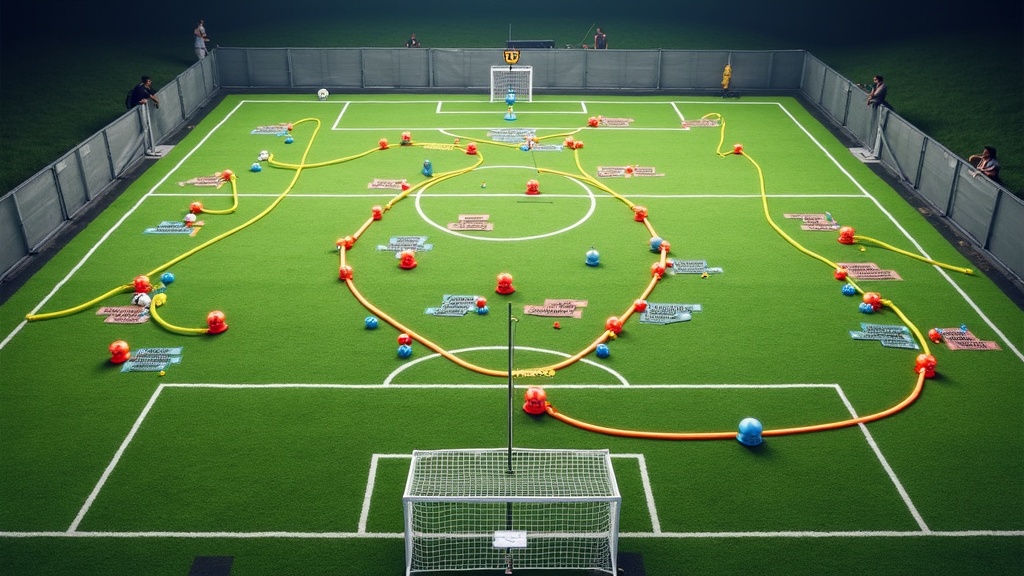
Modern soccer is all about details, quick thinking, and outsmarting the competition. Coaches at every level are always searching for strategies that give their teams an edge and keep up with all the latest tactical trends. With new formations, high pressing strategies, and technology now woven into coaching, there’s more to manage than ever if you want to see strong results.
If you’re a coach looking to take your sessions up a notch, there’s a whole array of tactics to help your squad perform smarter on the pitch. Knowing when to play out from the back, how to adjust your press, and ways to turn defense into sudden attack—it’s all part of what’s possible in today’s game.
This article covers everything from shape-shifting formations to coaching with video analysis. Whether you coach kids, high schoolers, or competitive adults, these advanced soccer tactics are super useful for building a team that plays with confidence and intelligence.
Affiliate Disclosure
This post contains affiliate links. As an Amazon Associate, we earn from qualifying purchases at no extra cost to you.
1. Modern Formations and Flexible Structures
Static formations have faded away. The game now values adaptability, with teams switching shapes during play, responding to what’s happening on the field. A formation is more of a starting blueprint, but how your players move, support each other, and tackle new challenges truly makes the difference.
Popular Modern Formations:
- 4-3-3: Great for quick attacks, wide play, and pressing the opposition high up the field.
- 3-4-2-1: Provides solid defensive cover and options for building play from the back.
- 4-2-3-1: Offers a strong defensive base, with room to shift quickly into attack.
I’ve found that letting players switch between these shapes during games (such as moving from 4-3-3 to 3-4-3 in possession) keeps opponents off-balance and opens up chances as soon as spaces appear.
2. Advanced Pressing Systems
Pressing is more than just chasing the ball. Coordinated pressing blocks passing routes, forces mistakes, and helps win the ball close to the opponent’s goal. A good pressing system requires players moving together, recognizing pressing triggers, and knowing when to hold off to avoid being played through too easily.
Key Pressing Styles:
- High Press: Win the ball in the final third and create instant scoring chances.
- Mid Block Press: Stay compact in midfield, seize the moment when the opponent looks vulnerable, and avoid getting stretched out.
- Situational Press: Target specific players or weak spots, such as a nervous fullback or a slower defender.
A key tip for coaches: Set up pressing drills during training using small sided games and teach players the pressing triggers they should spot (like heavy touches or backwards passes). These moments open up the opportunity for a well-timed, team-based press.
3. Exploiting Transitions: Turning Defense into Attack
Speedy transitions are at the heart of modern soccer. Winning the ball and instantly launching attacking moves can catch out any opponent. Teams who focus on making quick decisions in these transition moments often generate loads of scoring opportunities.
Practice Tips:
- Design drills that mirror real match scenarios where your team wins possession and has just a few moments to look for a forward pass.
- Encourage midfielders and wingers to anticipate these turnovers and set off as soon as the team recovers possession.
- Train defenders to confidently play the first pass forward, steering away from panicked, aimless clearances.
Awareness and fast reactions are key. Reviewing game footage can really help players see when and how to launch effective counters right after regaining the ball.
4. Building from the Back with Purpose
Playing out from the back is now a hallmark of many teams. The aim is not just to look sharp. It’s about controlling play, pulling opponents out of position, and building attacks with patience and accuracy. It requires trust, composure, and lots of repetition.
How to Coach It:
- Encourage your goalkeeper and defenders to keep their cool with short, simple passes under pressure.
- Coach your midfielders to drop deep and provide easy passing lanes, and to turn fast when space opens up.
- Sometimes, opting for a longer ball is the smart move if the opposition squeezes too high—just make it targeted and purposeful.
Tweaking your tactics depending on how the opponent presses is crucial here. Some teams draw in the pressure, then play through lines with one pass. Others might instead go wide with a well-placed ball when central options aren’t there.
5. Using Wide Areas and Overlapping Runs
Wide play is vital for breaking down well-drilled defenses. Stretching the opposition side to side makes defenders uncomfortable and opens gaps for attackers, especially when your fullbacks or wingbacks time their overlaps well.
Drills and Ideas:
- Set up scenarios where wide players aim to deliver early crosses or cutbacks into the danger zone.
- Practice passing triangles between the fullback, winger, and centermid to move the ball quickly down the line.
- Encourage fast switches of play to exploit gaps when defenders bunch on one side.
Top wide players always look over their shoulder, ready to combine or burst behind the line. Defenders who time their overlapping runs add more layers to your attack and make your offense less predictable.
6. Game Management and In-Game Adjustments
Even with great preparation, matches rarely go exactly as planned. The ability to make key changes during the action can keep your team headed in the right direction. This could mean slowing down the pace, altering positions, or tweaking the formation to manage what the other team throws at you.
Adjustment Examples:
- If you’re under heavy pressure, shift your team to increase defensive support temporarily.
- If you notice a tired opponent, bring on quick players to target that weakness.
- Use half-time or short breaks to pass on quick tactical advice—sometimes just a small change can tip the balance.
Having flexible players and attentive staff who can spot the need for tactical tweaks makes this process much smoother.
7. Integrating Video Analysis and Tech Tools
Modern coaches can access more video, stats, and tech tools than ever. These resources help you pick up patterns, pinpoint weaknesses, and prep your squad with real game clips and example play.
Helpful Tools:
- Review match footage to break down key moments, catch mistakes, and highlight what’s working well.
- Check out coaching platforms such as SoccerTutor.com for drills, tactical diagrams, and smart coaching tips.
- Share concise video clips or digital drawings with your players, making your coaching points really hit home.
In my own sessions, a little tech goes a long way. It helps players clearly see what you expect, making ideas stick far better.
8. Developing Tactical Awareness in Young Players
The earlier you start building soccer smarts, the better. Even young kids can grasp simple versions of these tactics. Show them why they should press at certain times, how to create passing angles, and the value of backing up their teammates—these basics set the stage for the tougher stuff later.
Tips for Youth Coaches:
- Emphasize small sided games that demand quick thinking and fast reactions.
- Use cones, different colored bibs, and guided questions to help youngsters figure out positioning and movement.
- Keep things fun and hands-on; players learn tactics way faster when they’re actively involved and enjoying themselves.
Confidence and creativity grow when you give kids some freedom, then support them with smart coaching advice. Tactical skills and understanding will follow with the right mix of encouragement and thoughtful teaching.
🎯 Recommended Affiliate Product for Coaches
📘 Soccer Coaching Tactics Board & Training Planner
A must-have tool for organizing sessions, explaining tactics, and planning matches clearly.
✅ Perfect for:
- Match-day preparation
- Tactical explanations
- Training organization
🔗 View Soccer Coaching Tactics Board on Amazon
Final Thoughts
Modern soccer tactics revolve around teamwork, quick thinking, and responding to new challenges. By blending flexible formations, coordinated pressing, rapid transitions, and a little tech savvy, any team can level up their game. Whether you’re a beginner or looking to add some tactical spice to your coaching, digging into advanced strategies breathes life into your sessions, and your players will appreciate the difference on game day.
👉 Want ready-made drills, tactical diagrams, and professional coaching resources?
Explore trusted soccer coaching tools and training guides used by coaches worldwide.